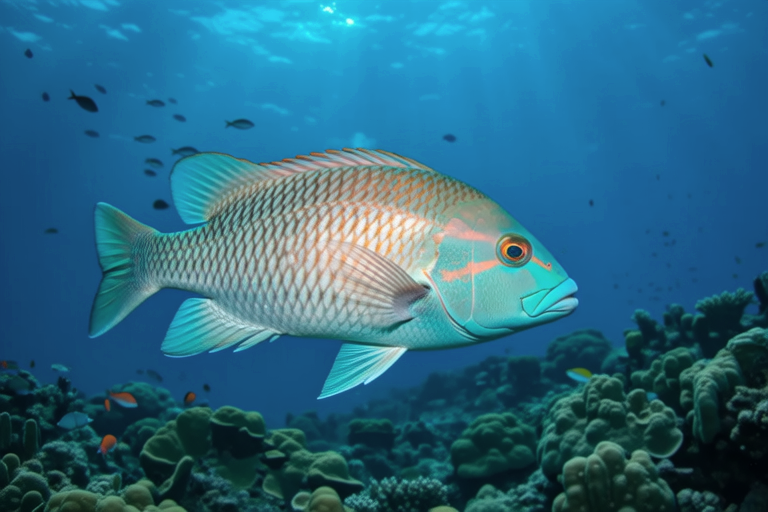
The Vibrant World of Parrot Fish
Parrot fish are among the most colorful and fascinating creatures found in coral reef ecosystems. Their diverse colors and adaptations make them a captivating subject for both marine biologists and aquarium enthusiasts alike. This article explores the vibrant world of parrot fish, detailing their unique characteristics, roles in reef ecosystems, behaviors, dietary habits, and challenges they face in captivity compared to the wild.
Diverse Colors and Adaptations
Parrot fish exhibit a stunning array of colors, ranging from bright yellows and oranges to deep blues and greens. These vibrant hues serve multiple purposes, including camouflage, mate attraction, and communication. The vivid coloration is particularly useful for hiding among coral structures, making it difficult for predators to spot them. Additionally, the colors play a crucial role in attracting mates during breeding seasons.
Adaptations to their natural coral reef habitats include specialized teeth that form a beak-like structure, allowing them to scrape algae off coral surfaces. This adaptation not only aids in feeding but also helps maintain the health of the reef by preventing algae overgrowth. Parrot fish possess strong jaws and pharyngeal teeth, enabling them to grind up coral and extract algae. They then expel the indigestible calcium carbonate as sand, contributing significantly to the formation of tropical beaches.
Role in Maintaining Reef Ecosystems
Parrot fish play a vital role in maintaining the balance of coral reef ecosystems. By controlling algal growth, they prevent harmful algal blooms that can smother corals and reduce light penetration. Their grazing activities promote healthy coral growth and biodiversity within the reef community. Furthermore, their excretion of calcium carbonate contributes to the overall stability of the reef structure.
Behavioral Patterns and Dietary Habits
Parrot fish exhibit various behavioral patterns depending on their species and environment. Many species are diurnal, meaning they are active during the day and rest at night. They often form large schools, especially when young, which provides protection against predators. As they mature, some species become more solitary or form smaller groups.
Their dietary habits primarily consist of algae and small organisms found within coral reefs. Some species may also consume coral polyps, although this behavior is less common. Their diet varies based on availability and environmental conditions. For instance, during periods of low food supply, they might shift their diet to include more detritus or other available resources.
Challenges in Captivity Compared to the Wild
Keeping parrot fish in captivity presents several challenges compared to their natural habitat. One major issue is providing adequate space for these active swimmers. In the wild, they have vast areas to explore, whereas aquariums can be restrictive. Proper filtration systems are essential to maintain water quality, as parrot fish produce significant amounts of waste due to their diet.
Another challenge is replicating the complex social structures found in the wild. In captivity, overcrowding or insufficient space can lead to stress and aggression among individuals. Additionally, ensuring a balanced diet that mimics their natural food sources requires careful planning. Supplementing with appropriate algae-based foods and occasional offerings of fresh vegetables or fruits can help meet their nutritional needs.
Scientific Insights on Unique Characteristics
Parrot fish possess several unique characteristics that set them apart from other marine species. Their teeth are fused into a beak-like structure, allowing them to efficiently graze on algae-covered rocks and coral. This adaptation has led to their classification within the family Scaridae. Their pharyngeal teeth further aid in grinding up coral and extracting nutrients.
Some species display dramatic color changes throughout their lives, particularly during mating rituals. Males may develop brighter colors to attract females, while females may adopt duller tones for camouflage. This phenomenon highlights the importance of visual communication in parrot fish behavior.
Conservation Status and Sustainable Practices
Many species of parrot fish are currently listed as vulnerable or endangered due to overfishing, habitat destruction, and climate change. Overfishing poses a significant threat to their populations, especially in regions where fishing practices are poorly regulated. Habitat destruction caused by coastal development, pollution, and coral bleaching further exacerbates the problem.
To address these issues, sustainable fishing practices and protected marine areas are crucial. Implementing catch limits, promoting responsible tourism, and reducing pollution can help preserve parrot fish populations. Additionally, supporting organizations dedicated to marine conservation efforts plays a vital role in protecting these magnificent creatures.
Tips for Aquarium Owners Interested in Keeping Parrot Fish
For those interested in keeping parrot fish in home aquariums, several factors must be considered to ensure their well-being. First, selecting an appropriately sized tank is essential, as parrot fish require ample swimming space. A minimum of 100 gallons is recommended for most species, with larger tanks being preferable for adult specimens.
Creating a suitable environment involves providing plenty of hiding spots, such as caves or rock formations, to mimic their natural habitat. Live rock and algae growth should be encouraged to offer both shelter and food sources. Regular water changes and maintenance of proper water parameters are necessary to maintain optimal water quality.
Feeding parrot fish in captivity requires a varied diet that includes algae-based flakes, pellets, and occasional treats of fresh vegetables or fruits. Ensuring a balanced diet helps prevent malnutrition and promotes overall health. Observing behavioral cues, such as appetite and activity levels, can indicate whether adjustments are needed in their care routine.
Importance of Sustainable Practices
Sustainable practices are paramount in both marine conservation and home aquarium setups. In marine conservation, adopting responsible fishing methods, supporting protected marine areas, and reducing pollution contribute to preserving parrot fish populations. In home aquariums, choosing sustainably sourced fish and avoiding those caught through destructive practices ensures ethical ownership.
Educating oneself about the specific needs and behaviors of parrot fish fosters a deeper appreciation for these remarkable creatures. By understanding their unique characteristics and implementing sustainable practices, we can help protect parrot fish and contribute to the preservation of our oceans’ rich biodiversity.
