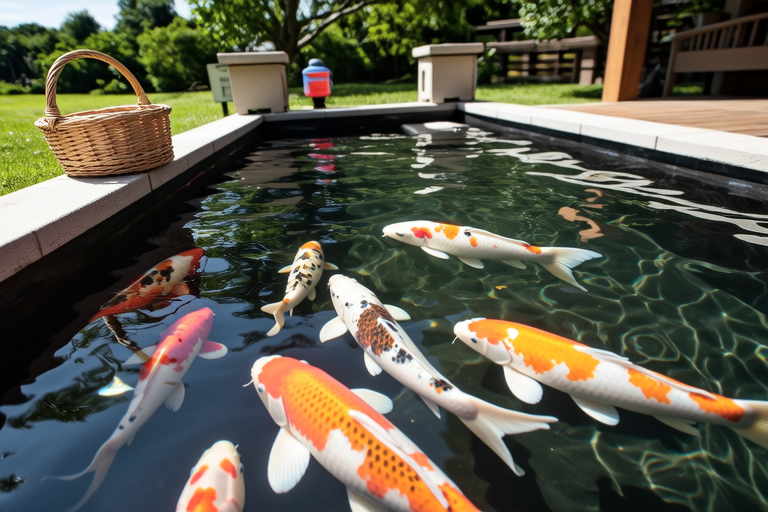
A Beginner’s Dream: Easy Tips for Raising Healthy Koi in Your Backyard
Welcome to the wonderful world of koi fish! If you’re reading this, you’re probably thinking about adding these beautiful creatures to your backyard pond. Koi, with their vibrant colors and graceful movements, can bring joy and tranquility to any garden. This guide will walk you through the basics of raising healthy koi, from setting up your pond to maintaining water quality and ensuring the well-being of your aquatic friends.
Introduction to Koi Fish
Koi (Cyprinus carpio) are a domesticated variety of common carp. They originated in Japan and have been selectively bred for centuries to exhibit a wide range of colors and patterns. Koi are known for their intelligence, social nature, and ability to recognize their owners. These fish can live for several decades, making them a long-term commitment but also a rewarding addition to your outdoor space.
Choosing the right koi for your pond involves considering factors such as size, color, and temperament. Start with a few smaller fish to ensure your pond is ready for them. As they grow, you can gradually add more koi to enjoy their full beauty and behavior.
The Importance of Proper Pond Setup
Creating a suitable habitat for your koi is crucial. A well-designed pond provides both shelter and space for your fish to thrive. Here are some key considerations:
- Pond Size: The general rule is that each adult koi requires at least 200 gallons of water. Ensure your pond is large enough to accommodate your planned population.
- Depth: A depth of at least three feet helps maintain stable water temperatures and provides a winter refuge for your koi.
- Filtration System: An effective filtration system is essential for maintaining clean water. Look for systems that include biological, mechanical, and chemical filtration components.
- Oxygenation: Koi need plenty of oxygen. Incorporate a waterfall or fountain to increase surface agitation and improve oxygen levels.
- Cover: Provide areas where koi can hide and rest. Plants, rocks, and other structures offer shelter and reduce stress.
Water Quality Maintenance
Water quality directly affects the health and longevity of your koi. Regular monitoring and maintenance are necessary to keep the water clean and balanced.
- Water Testing: Use test kits to monitor pH, ammonia, nitrite, and nitrate levels. Aim for a pH between 7.2 and 8.0, and keep ammonia and nitrite levels as close to zero as possible.
- Water Changes: Perform partial water changes weekly to remove toxins and replenish minerals. Replace about 10-20% of the water each time.
- Chemical Treatments: Occasionally use beneficial bacteria products to aid in breaking down waste and maintaining a healthy ecosystem.
Feeding Guidelines
Proper nutrition is vital for your koi’s health and growth. Feed them high-quality koi pellets designed for their specific needs. Adjust the amount based on water temperature and activity levels.
- Frequency: Feed your koi two to three times daily during warmer months when the water temperature is above 60°F. Reduce feedings during colder periods.
- Quantity: Offer only what the koi can consume within five minutes. Excess food can pollute the water.
- Variety: Supplement their diet with occasional treats like freeze-dried bloodworms or algae wafers to provide a balanced diet.
Common Health Issues and Prevention
Like any pet, koi are susceptible to various health issues. Early detection and treatment can prevent serious problems. Here are some common issues and how to address them:
- Fungus: Fungal infections appear as cotton-like growths on the fish. Keep water clean and use anti-fungal treatments if necessary.
- Bacterial Infections: Symptoms include redness, ulcers, and lethargy. Maintain good water quality and treat with appropriate antibiotics.
- Parasites: Look for white spots or excessive rubbing against surfaces. Quarantine affected fish and use parasitic treatments.
- Stress: Stress weakens the immune system, making fish more vulnerable to diseases. Provide a calm environment and avoid sudden changes in water conditions.
Tips for Creating a Safe Environment
Ensuring your koi have a safe and secure environment is paramount. Here are some additional tips:
- Protection from Predators: Secure your pond with netting or fencing to protect against birds, raccoons, and other predators.
- Shade: Provide some shade to prevent water from overheating. Floating plants or strategically placed trees can help.
- Winter Care: Prepare for colder months by reducing feeding, ensuring adequate depth, and possibly installing a heater or aerator.
- Regular Cleaning: Clean debris and uneaten food regularly to prevent clogging filters and maintaining clear water.
The Joys and Responsibilities of Keeping Koi
Raising koi is not just about aesthetics; it’s also about nurturing living beings. Watching your koi grow and interact can be incredibly fulfilling. However, it comes with responsibilities. You must commit to their care, ensuring they have a clean, safe, and stimulating environment. The bond you form with your koi can be profound, and witnessing their graceful movements in your pond can bring a sense of peace and joy to your daily life.
Remember, the journey of raising koi is as much about learning and growing as it is about enjoying the beauty of these magnificent fish. With patience, dedication, and love, you’ll find that caring for koi can be one of the most rewarding hobbies available.
We hope this guide has provided you with the information needed to start your koi-keeping adventure. Happy ponding!
