Unraveling the Mystery Behind the Unique Coat of an Abyssinian Cat
The Abyssinian cat is one of the most captivating and distinctive breeds in the feline world. Known for their elegant and graceful appearance, these cats have been enchanting people for centuries. Their unique coat, marked by a striking pattern and vibrant colors, sets them apart from other breeds. This article delves into the origins, genetics, and characteristics of the Abyssinian cat’s coat, as well as grooming tips and the impact of their appearance on their popularity.
Origins and Distinctive Appearance
The Abyssinian cat, named after the ancient land of Ethiopia (formerly Abyssinia), has a history shrouded in mystery and legend. While some believe that these cats were worshipped by the Egyptians and depicted in ancient artwork, others argue that they were brought to Britain in the 19th century by British soldiers returning from military campaigns in Africa. The first Abyssinian cat to be officially recognized was named Zula, who was exhibited at the Crystal Palace cat show in London in 1871.
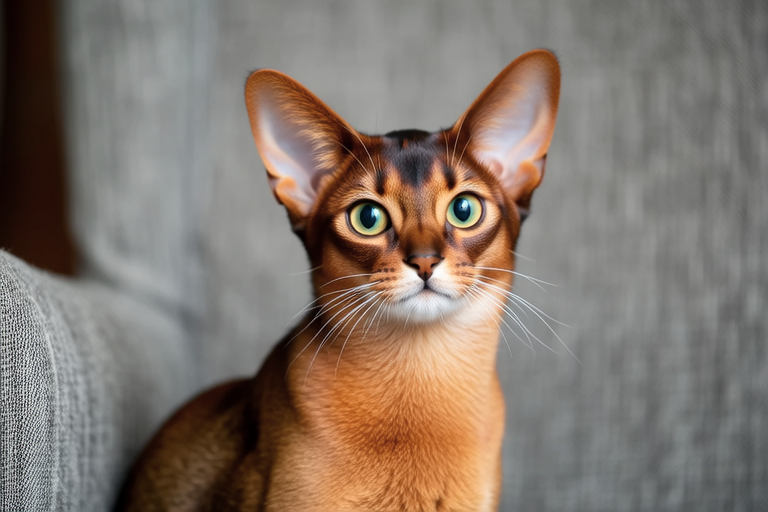
Abyssinians are known for their slender, muscular bodies and large ears set high on their heads. However, it is their coat that truly defines them. Their fur is short but lies close to their body, giving them a sleek and athletic look. The coat’s most notable feature is the ticking pattern, where each hair has bands of color, typically a warm, reddish-brown base color with black or dark brown ticking.
Genetic Factors and the Ticked Tabby Gene
The unique coat of the Abyssinian cat is the result of specific genetic factors. One of the key genes responsible for their appearance is the ticked tabby gene (Agouti gene). This gene determines the pattern of pigmentation along each individual hair, resulting in the characteristic ticking pattern. The Agouti gene also influences the cat’s overall coloration, contributing to the rich, warm hues typical of Abyssinians.
Another important genetic factor is the recessive a allele, which controls the extension of black pigment. In Abyssinians, this gene is often masked by the dominant A allele, resulting in a range of color variations within the breed. The combination of these genetic elements produces the distinct appearance of the Abyssinian cat, making them one of the most visually striking breeds.
Color Variations and Patterns
Abyssinian cats come in a variety of colors, each equally beautiful and captivating. The original and most common color is known as “ruddy,” characterized by a warm, reddish-brown base color with darker brown ticking. Other recognized colors include cinnamon, which features a light reddish-brown base with darker brown ticking; blue, with a pale gray base and darker gray ticking; and fawn, with a cream-colored base and darker gray ticking.
In addition to these solid colors, Abyssinians can exhibit a silver variation. Silver Abyssinians have a pale gray base color with black ticking, creating a stunning contrast. These variations showcase the versatility and beauty of the Abyssinian breed, offering cat enthusiasts a wide range of choices.
Historical Anecdotes and Myths
Throughout history, Abyssinian cats have been surrounded by myths and legends. One popular myth suggests that these cats were sacred to the Egyptians, believed to have been mummified and buried alongside their human companions. Although there is no concrete evidence to support this claim, the resemblance between Abyssinians and the cats depicted in Egyptian art has fueled this belief.
Another interesting anecdote involves the Victorian era, when Abyssinian cats became a symbol of elegance and refinement. During this time, Abyssinians were highly sought after by British aristocrats, who prized them for their unique appearance and graceful demeanor. This fascination with the breed helped establish their reputation as one of the most desirable cats in the world.
Grooming Needs and Maintenance Tips
The short, dense coat of the Abyssinian cat requires minimal grooming compared to long-haired breeds. However, regular brushing is still essential to remove loose hairs and distribute natural oils throughout the coat. A soft-bristled brush or a grooming glove can be used for this purpose. Bathing is generally unnecessary unless the cat becomes excessively dirty or greasy.
Due to their active nature, Abyssinians may shed more during certain times of the year, particularly during seasonal changes. Regular brushing during these periods can help reduce shedding and keep the coat healthy. Additionally, providing a high-quality diet rich in essential nutrients can contribute to the health and shine of their fur.
The Impact of the Abyssinian’s Coat on Popularity
The unique coat of the Abyssinian cat has played a significant role in their enduring popularity among cat enthusiasts. Their striking appearance and graceful demeanor make them a favorite choice for many households. The breed’s charm lies not only in their physical attributes but also in their playful and affectionate personalities.
Abyssinians are known for their intelligence and curiosity, often engaging in interactive play with their owners. Their friendly and outgoing nature makes them excellent companions, and their coat adds to their appeal as a pet. The combination of their captivating appearance and delightful personality has ensured the Abyssinian’s place as one of the most beloved cat breeds worldwide.
In conclusion, the Abyssinian cat’s unique coat is the result of a fascinating blend of genetics and history. From their origins in ancient Egypt to their modern-day status as a cherished pet, these cats continue to captivate and enchant people around the world. Understanding the genetic factors behind their appearance, appreciating the variety of colorations and patterns, and maintaining their coat properly all contribute to the joy of owning an Abyssinian cat. Whether you are a seasoned cat enthusiast or simply curious about this remarkable breed, the Abyssinian’s coat is sure to leave a lasting impression.
