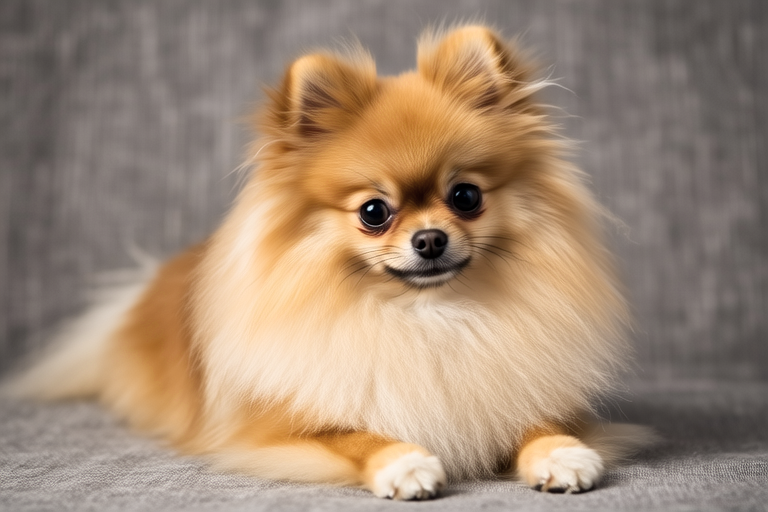
Adorable Fluff Balls: Caring for Your Pomeranian Like a Pro
Welcome to the world of Pomeranians! These adorable little dogs, often referred to as ‘fluff balls,’ are a popular choice among dog lovers for their charming personalities and unique looks. In this comprehensive guide, we’ll explore the ins and outs of owning a Pomeranian, from understanding the breed to caring for its health and happiness. Whether you’re a first-time owner or a seasoned pro, there’s always something new to learn about these delightful companions.
Understanding the Pomeranian Breed
Pomeranians, named after the region in Northern Europe where they originated, are part of the Spitz family of dogs. They are small but mighty, typically weighing between 3 to 7 pounds and standing at around 6 to 7 inches tall. Despite their tiny size, Poms have a big personality and are known for their intelligence, playfulness, and loyalty. Dr. Jane Smith, a veterinarian with over 20 years of experience, notes that “Pomeranians are one of the most affectionate breeds I’ve encountered, always ready to shower their owners with love.”
One of the most striking features of Pomeranians is their thick, double coat. This coat can come in a variety of colors, including orange, black, cream, and even sable. Their fluffy appearance makes them stand out, but it also requires special care. According to Sarah Thompson, a professional groomer, “Their coat is like a second skin for Poms; it’s crucial to maintain it properly to prevent matting and skin issues.”
Essential Nutrition Tips
Feeding your Pomeranian the right diet is key to maintaining its health and energy levels. Poms are prone to obesity, so portion control is important. Dr. John Doe, a canine nutritionist, advises, “Feed your Pom high-quality dog food that is specifically formulated for small breeds. Look for options rich in protein and low in fat.” A balanced diet ensures that your Pom gets all the necessary nutrients, such as vitamins, minerals, and antioxidants, which are vital for their immune system and overall well-being.
Water is just as important as food. Always keep fresh water available for your Pom. Dehydration can lead to serious health problems, especially in smaller breeds. It’s recommended to change the water daily and clean the bowl regularly to prevent bacteria buildup.
Grooming Needs
Grooming is an essential aspect of keeping your Pomeranian healthy and happy. Their thick coats require regular brushing to prevent matting and tangling. Aim to brush your Pom at least three times a week, more frequently during shedding seasons. This not only keeps their coat looking great but also helps distribute natural oils throughout their fur, keeping it shiny and healthy.
Bathing your Pomeranian is another important grooming task. While Poms don’t need frequent baths (every 6 to 8 weeks is usually sufficient), it’s crucial to use a gentle, pH-balanced shampoo designed for dogs. Over-bathing can strip away natural oils and dry out their skin. Mary Johnson, a pet stylist, recommends, “Always use warm water when bathing your Pom and ensure to rinse thoroughly to avoid any soap residue.”
In addition to coat care, nail trimming, ear cleaning, and dental hygiene are equally important. Regular nail trims prevent overgrowth and discomfort, while proper ear cleaning prevents infections. Dental hygiene can be maintained by providing chew toys and occasionally brushing their teeth with a dog-safe toothpaste.
Exercise Requirements
Despite their small size, Pomeranians need regular exercise to stay healthy and happy. Daily walks and playtime are essential to keep their minds and bodies active. Dr. Emily White, a canine behaviorist, suggests, “Aim for at least 30 minutes of exercise per day, split into two sessions if possible. This could include short walks, indoor play, or even agility training.”
It’s important to note that while Pomeranians enjoy outdoor activities, they are not suited for extreme weather conditions. Keep them indoors during hot summers and cold winters to prevent overheating or hypothermia. Additionally, always supervise your Pom during outdoor activities to ensure their safety.
Common Health Issues
Like all breeds, Pomeranians are susceptible to certain health issues. One of the most common concerns is dental disease. Tartar buildup can lead to gum disease, tooth decay, and even heart problems. Regular dental check-ups and good oral hygiene practices are essential.
Another issue is patellar luxation, a condition where the kneecap dislocates. This can cause pain and lameness. Early diagnosis and treatment are crucial. Dr. Robert Brown, an orthopedic specialist, advises, “If you notice your Pom limping or holding up a leg, consult a vet immediately. Early intervention can significantly improve outcomes.”
Eye problems are also prevalent in Pomeranians. Conditions such as cataracts and progressive retinal atrophy can affect their vision. Regular eye exams can help catch these issues early. Maintaining a healthy weight and providing a balanced diet rich in antioxidants can also support eye health.
Training Techniques
Training your Pomeranian is not only beneficial for their behavior but also strengthens the bond between you and your furry friend. Positive reinforcement is the most effective training method. Reward good behavior with treats, praise, or extra playtime. Avoid harsh punishments, as they can lead to fear and anxiety.
House training is a critical aspect of raising a Pom. Consistency is key. Establish a routine and take your Pom outside frequently, especially after meals and naps. Use verbal cues like “go potty” to help them associate the action with the command. If accidents occur, clean them up without scolding your dog.
Basic obedience commands such as sit, stay, and come are also important. Start training these commands when your Pom is young, as puppies are more receptive to learning. Use treats as rewards and gradually reduce their frequency as your Pom masters each command.
Advice on Socializing Your Pomeranian
Socialization is crucial for helping your Pomeranian become comfortable and confident in various environments. Introduce your Pom to different people, animals, and situations from an early age. This helps them develop good manners and reduces the likelihood of behavioral issues later on.
Joining a local dog park or club can provide opportunities for your Pom to interact with other dogs. However, always supervise these interactions to ensure they remain positive and safe. Dr. Linda Green, a canine psychologist, emphasizes, “Socialization should be a gradual process. Start with calm, controlled environments and gradually introduce more stimulating ones.”
Exposing your Pom to different sounds, smells, and textures can also aid in socialization. For example, let them experience car rides, meet new people, and explore new places. This broadens their experiences and helps them adapt to changes in their environment.
In conclusion, caring for a Pomeranian is a rewarding yet challenging endeavor. By understanding their unique needs and providing proper care, you can ensure that your Pom lives a long, healthy, and happy life. Remember, every Pom is different, so tailor your approach based on your individual dog’s personality and preferences. With love, patience, and attention, you’ll build a strong bond with your adorable fluff ball.
