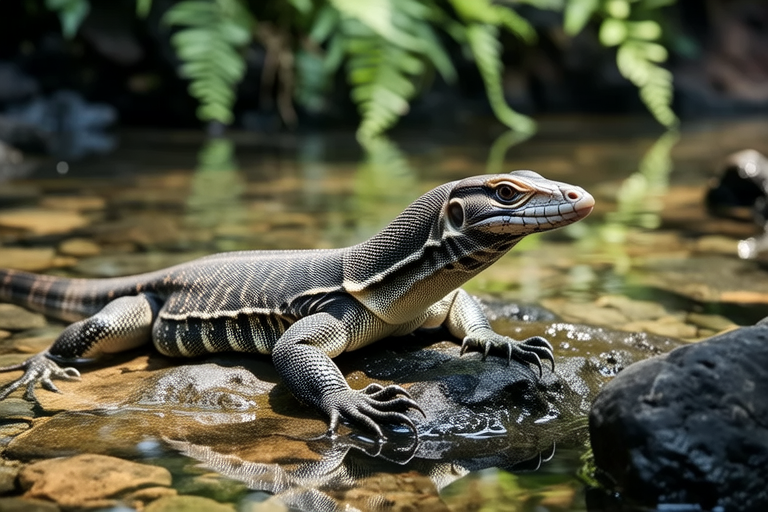
How to Care for Your Unique Water Monitor Pet
Welcome to the fascinating world of water monitor pets! Known for their striking appearance and unique behaviors, these creatures are not just another pet; they are a commitment that requires knowledge and dedication. This guide aims to help you understand the specific needs of your water monitor, from setting up its habitat to ensuring its health and happiness.
Habitat Setup
Water monitors need a spacious and well-equipped environment that mimics their natural habitat. The enclosure should be large enough to accommodate their size and allow them to move around freely. For a young monitor, a 55-gallon tank might suffice, but as they grow, you’ll likely need a custom-built enclosure or a very large commercial one. Adult water monitors can reach lengths of over six feet, so plan accordingly.
The substrate should be something that holds humidity and allows for easy cleaning. Cypress mulch or coconut fiber are popular choices. Ensure there’s a substantial water area where your monitor can swim and soak. This area should be deep enough to cover at least half of the lizard’s body when it’s swimming.
Temperature and lighting are crucial. Maintain a temperature gradient within the enclosure, with a basking spot reaching 95-100°F and cooler areas around 80-85°F. UVB lighting is essential for calcium absorption and overall health, so invest in a high-quality UVB lamp.
Dietary Needs
Water monitors are carnivorous and require a diet rich in proteins. Their meals should consist of appropriately sized prey items such as mice, fish, crickets, and earthworms. Young monitors eat insects more frequently, while adults prefer larger prey like small rodents and fish. It’s important to gut-load feeder insects before offering them to your monitor to ensure they receive adequate nutrients.
Variety is key in their diet. Rotate different types of prey to prevent nutritional deficiencies and keep your monitor interested in eating. Feeding frequency depends on the age and size of the monitor. Younger monitors may need to eat daily, whereas adults can be fed every other day.
Always ensure that any food items are of appropriate size. Overfeeding or feeding improperly sized prey can lead to health issues. A good rule of thumb is that the prey should not exceed one-third the width of the monitor’s head.
Health Care
Regular veterinary check-ups are crucial for maintaining your water monitor’s health. Reptile-specific veterinarians are best equipped to handle the unique needs of these animals. Look for signs of illness such as lethargy, loss of appetite, or changes in skin coloration.
Parasites are a common issue in reptiles, and regular fecal exams can help catch infestations early. Proper hygiene and sanitation practices, including regular cleaning of the enclosure and water area, are vital in preventing infections.
Maintaining optimal humidity levels is also critical for the health of your monitor. Too much moisture can lead to respiratory problems, while too little can cause shedding difficulties. Use a hygrometer to monitor humidity levels and adjust as necessary.
Social Behavior
Water monitors are generally solitary creatures in the wild. In captivity, they tend to be territorial and may become aggressive if another animal invades their space. Therefore, it’s best to house only one monitor per enclosure. Interaction with humans should be handled carefully and gradually to avoid stress.
Despite their solitary nature, some monitors can become accustomed to gentle handling and even develop bonds with their caretakers. Patience and consistency are key in building trust. Start with short, frequent sessions and gradually increase the duration as your monitor becomes more comfortable.
Understanding and respecting the monitor’s natural behaviors will help in creating a positive relationship. They are curious and intelligent animals that can recognize familiar faces and respond to their names.
Handling Tips
Handling a water monitor requires caution and respect for its strength and potential aggression. Always wash your hands before and after handling to maintain hygiene. Approach your monitor slowly and calmly, avoiding sudden movements that could startle it.
Use a hook or gloves when handling adult monitors, especially those that have not been socialized. If your monitor feels threatened, it may bite or scratch in self-defense. Be prepared for this possibility and handle with care.
It’s important to note that not all monitors will tolerate being held. Some may remain skittish throughout their lives. Accept this and focus on providing a stimulating and enriching environment rather than forcing interaction.
Common Challenges Faced by Owners
Raising a water monitor comes with its own set of challenges. One of the most significant hurdles is the initial cost and ongoing expenses associated with their care. From purchasing a suitable enclosure to providing a varied diet, the financial commitment can be substantial.
Another challenge is the space requirement. As mentioned earlier, water monitors need a lot of room to thrive. Ensuring they have ample space can be difficult in smaller living environments.
Lastly, there’s the emotional toll of caring for a long-lived pet. Water monitors can live upwards of 15 years, which means a significant time commitment. It’s important to consider this aspect before bringing one into your home.
Conclusion
Caring for a water monitor is a rewarding experience that brings joy and fascination to many. By understanding and meeting their unique needs, you can ensure a happy and healthy life for your pet. Remember, the key to successful ownership lies in preparation, education, and patience. With the right care, your water monitor will thrive in its new home, becoming a cherished member of your family.
