Leopard Gecko Care: A Beginner’s Guide to Owning the Perfect Pet
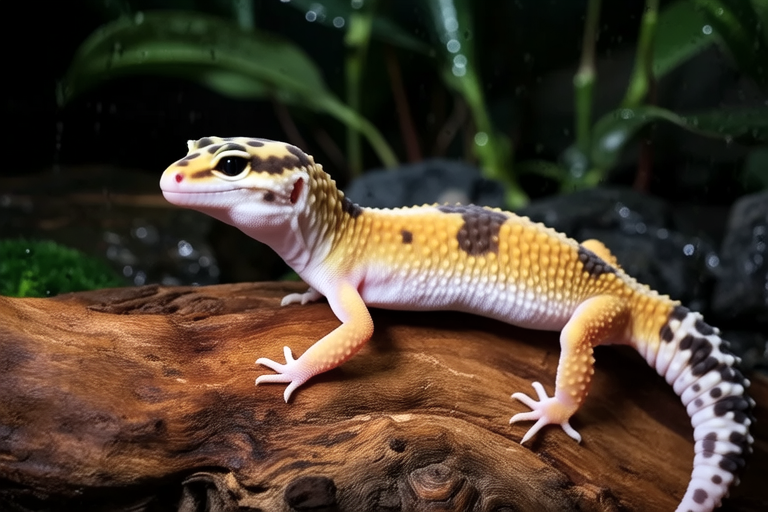
Welcome to the world of leopard gecko care! These small, docile reptiles have become increasingly popular among pet owners due to their relatively low maintenance and charming personalities. Leopard geckos are native to the arid regions of Pakistan, India, and Afghanistan, and their adaptability makes them perfect for life in captivity. Their unique appearance, with their spotted skin and ability to change color, adds to their appeal. This guide will help you understand the basic requirements for keeping a leopard gecko as a pet, ensuring that you provide the best care possible.
I. Housing Requirements
The first step in providing a suitable environment for your leopard gecko is setting up its enclosure. The size of the tank depends on the age and size of your gecko; a 10-gallon tank is adequate for one adult gecko, but larger tanks are better for multiple geckos or if you plan to breed them. The enclosure should be escape-proof, with a secure lid and ventilation holes to ensure proper air circulation. Use a substrate that is safe for your gecko, such as paper towels, reptile carpet, or coconut fiber. Avoid substrates like sand or gravel, which can pose choking hazards.
Inside the tank, include hiding spots such as caves, tunnels, or even upturned flower pots. Leopard geckos need these areas to feel secure and to regulate their body temperature. Provide a water dish large enough for your gecko to soak in but shallow enough to prevent drowning. Keep the water clean and fresh, changing it daily. Additionally, include a climbing branch or rock for enrichment and exercise.
II. Temperature and Lighting Needs
Temperature regulation is crucial for the health of your leopard gecko. Create a thermal gradient within the enclosure by placing a heat source at one end and leaving the other end cooler. The warm side should reach about 90°F (32°C), while the cool side should be around 75°F (24°C). You can achieve this by using under-tank heating pads or ceramic heat emitters. Always monitor the temperature with a reliable thermometer to ensure the correct range.
Leopard geckos are nocturnal, so they do not require UVB lighting for vitamin D synthesis. However, a gentle light source during the day can help maintain a day-night cycle and improve overall well-being. Make sure to turn off the lights at night to allow your gecko to rest. Avoid using bright, direct lighting that could stress your pet.
III. Diet Specifics
Feeding your leopard gecko properly is essential for its growth and health. In the wild, they primarily eat insects, and in captivity, they should be fed a varied diet of gut-loaded insects such as crickets, mealworms, and waxworms. Feed juveniles every day, and adults every two to three days. The size of the insect should be appropriate for the gecko’s mouth, usually no wider than the space between its eyes.
To ensure optimal nutrition, dust the insects with a calcium supplement without vitamin D3 before feeding. On alternate feedings, use a multivitamin supplement. Gut-loading involves feeding the insects a nutritious diet before offering them to your gecko. This practice enhances the nutritional value of the prey items and supports your gecko’s overall health.
IV. Handling Tips
Handling your leopard gecko gently and correctly is important for both your safety and the gecko’s well-being. Leopard geckos are generally calm and tolerate handling well, but always handle them with care. Support their entire body, including their tail, to prevent injury. Never pick them up by the tail, as it can break easily. Start handling sessions short, gradually increasing duration as your gecko becomes more comfortable with you.
Observe your gecko’s behavior during handling. If it tries to bite or shows signs of distress, it may need more time to adjust. Always wash your hands before and after handling to maintain hygiene and prevent the spread of bacteria.
V. Health Care Basics
Maintaining good health requires regular monitoring of your gecko’s physical condition. Check for any signs of illness, such as lethargy, loss of appetite, or abnormal skin changes. Schedule routine visits to a veterinarian who specializes in reptiles to catch potential issues early. Common health problems include metabolic bone disease, caused by calcium deficiency, and impaction from inappropriate substrate ingestion.
Preventative measures include maintaining proper humidity levels, which should be around 30-40%, and ensuring a balanced diet. Clean the enclosure regularly to prevent bacterial growth and reduce the risk of infections. Quarantine new geckos for several weeks before introducing them to your established group to minimize the chance of introducing diseases.
VI. Common Mistakes to Avoid
Avoiding common pitfalls is key to successful leopard gecko ownership. One mistake is keeping the enclosure too cold, which can lead to poor digestion and metabolic issues. Another is overfeeding, which can cause obesity and related health problems. Overhandling can also stress your gecko, especially if done too frequently or roughly. Lastly, failing to quarantine new additions can introduce parasites or diseases into your existing setup.
VII. Encouragement for Responsible Pet Ownership
Owning a leopard gecko is a rewarding experience that comes with great responsibility. By providing a safe, healthy environment and attentive care, you can enjoy a long-lasting bond with your pet. Remember, a happy and healthy leopard gecko is an active, alert, and well-fed reptile. Continue to educate yourself about leopard gecko care through books, forums, and reputable online sources. Joining local or online communities can also provide support and valuable insights from experienced owners.
VIII. Resources for Further Learning
To deepen your knowledge about leopard gecko care, consider exploring additional resources:
- Books: “The Complete Guide to Caring for Your Leopard Gecko” by Philippe de Vosjoli offers comprehensive advice on all aspects of leopard gecko ownership.
- Websites: Websites like ReptileChannel.com and ReptileMagazine.com provide articles, forums, and product reviews to help you stay informed.
- Online Forums: Participate in forums such as Reddit’s r/reptiles or dedicated Facebook groups where enthusiasts share experiences and advice.
By utilizing these resources, you’ll be well-equipped to provide the best care for your leopard gecko and enjoy many years of companionship.
