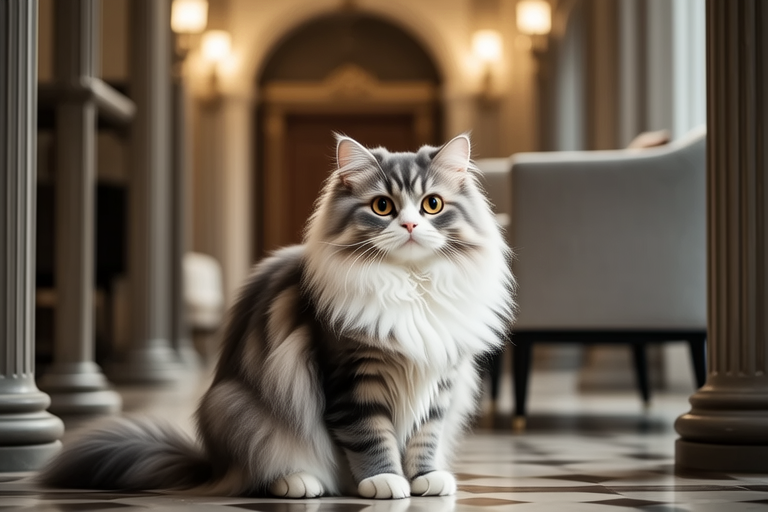
The Majestic Persian Cats: From Royal Palaces to Modern Homes
Throughout history, Persian cats have captured the hearts of countless admirers with their regal appearance and gentle demeanor. These long-haired felines have evolved from their origins in royal palaces to becoming beloved companions in modern homes. This article delves into the rich history, physical characteristics, temperament, and care requirements of Persian cats, highlighting their enduring appeal among cat enthusiasts.
A Historical Overview
The origins of Persian cats can be traced back to ancient Persia, now known as Iran. The breed was first introduced to Europe in the 1600s by Italian nobleman Pietro della Valle, who brought them to Italy from Persia. They were later imported to France and England, where they became popular among royalty and aristocracy. Persian cats were often depicted in paintings and tapestries, symbolizing luxury and elegance. In the 1870s, the first Persian cat show was held at London’s Crystal Palace, marking the beginning of their widespread recognition and breeding.
Physical Characteristics
Persian cats are known for their striking appearance, characterized by their round faces, large expressive eyes, and plush, dense coats. Their coat colors range from solid whites to silvers, blues, blacks, reds, and creams, as well as various patterns such as tabby, tortoiseshell, and bi-color. Their luxurious fur requires regular grooming to prevent matting and tangling. On average, Persian cats weigh between 7 to 12 pounds and have a lifespan of around 12 to 17 years.
Temperament
Persians are generally calm, affectionate, and laid-back, making them ideal companions for families and individuals alike. They enjoy lounging on laps and cuddling with their owners but are also independent enough to entertain themselves when needed. Despite their docile nature, they are curious and playful, especially during their younger years. Persians tend to get along well with children and other pets, provided they are introduced gradually and given proper socialization.
Care Requirements
Due to their long, thick coats, Persian cats require frequent grooming to maintain their luxurious appearance. Daily brushing is recommended to prevent matting and remove loose hair. Additionally, regular bathing and nail trimming are essential to keep their coat and hygiene in top condition. Persian cats are prone to dental issues, so it’s important to provide them with proper dental care, including brushing their teeth and offering chew toys. Regular veterinary check-ups and vaccinations are necessary to ensure their overall health and well-being.
Notable Mentions in Historical Contexts
Persian cats have been featured in various historical contexts, including paintings, literature, and popular culture. In the 19th century, Persian cats were often depicted in Victorian-era portraits, symbolizing wealth and refinement. During World War II, British soldiers reportedly smuggled Persian cats out of Iran to save them from potential extinction. In recent years, Persian cats have appeared in movies, TV shows, and advertisements, further cementing their status as iconic feline companions.
The Rise in Popularity
The popularity of Persian cats has risen steadily over the years, thanks to their unique appearance and gentle temperament. Their regal presence and affectionate nature make them ideal companions for individuals and families seeking a loving, low-maintenance pet. Persian cats are often featured in cat shows and competitions, showcasing their stunning coats and graceful movements. Their enduring appeal lies in their ability to bring joy and comfort to their owners, making them a favorite among cat enthusiasts.
Reasons Behind Their Enduring Appeal
Persian cats’ enduring appeal can be attributed to several factors, including their striking appearance, gentle temperament, and adaptability to various living environments. Their luxurious coats and expressive eyes make them stand out in any setting, while their calm and affectionate nature makes them excellent companions for people of all ages. Persian cats are also relatively low-maintenance compared to other breeds, requiring only basic grooming and care to thrive in their surroundings.
Grooming Needs
As mentioned earlier, Persian cats require regular grooming to maintain their luxurious coats. Daily brushing is recommended to prevent matting and tangling, while weekly baths help keep their coat clean and shiny. It’s important to use a soft-bristled brush or comb specifically designed for long-haired cats. Regular nail trimming, ear cleaning, and dental care are also essential to ensure their overall hygiene and health. Proper grooming not only keeps your Persian cat looking its best but also strengthens the bond between you and your furry friend.
Health Considerations
While Persian cats are generally healthy, they are susceptible to certain genetic conditions and health issues. Polycystic kidney disease (PKD) is one of the most common inherited disorders affecting Persian cats, causing the development of cysts in the kidneys. Other potential health concerns include respiratory issues, due to their flattened faces, and dental problems. Regular veterinary check-ups and early intervention can help manage these conditions and ensure your Persian cat lives a long, happy life. Providing a balanced diet, fresh water, and plenty of exercise can also contribute to their overall well-being.
Adapting to Different Living Environments
Persian cats are highly adaptable and can thrive in various living environments, from spacious homes to smaller apartments. Their calm and laid-back nature makes them suitable for families with children and other pets, as long as they are properly introduced and socialized. Persian cats enjoy lounging on comfortable surfaces, such as sofas and beds, and appreciate having designated areas where they can relax and observe their surroundings. While they are generally indoor cats, providing them with a safe outdoor space under supervision can also enrich their lives and stimulate their senses.
Conclusion
Persian cats have come a long way since their origins in royal palaces, evolving into beloved companions in modern homes. Their striking appearance, gentle temperament, and adaptability make them an ideal choice for cat lovers seeking a majestic and affectionate companion. By understanding their grooming needs, health considerations, and care requirements, owners can ensure their Persian cats live long, happy lives filled with love and companionship. Whether lounging on a lap or exploring their surroundings, Persian cats continue to captivate the hearts of those fortunate enough to share their lives with these magnificent creatures.
