Unveiling the Mystery Behind the Magnificent Hotot Rabbit’s Appearance
The world of rabbits is vast and diverse, with each breed offering something unique. Among the most captivating and rare is the Hotot rabbit, known for its striking appearance and distinctive features. This article delves into the mysteries behind the Hotot rabbit’s stunning looks, exploring its history, genetics, and the importance of caring for this breed.
Rarity and Unique Physical Characteristics
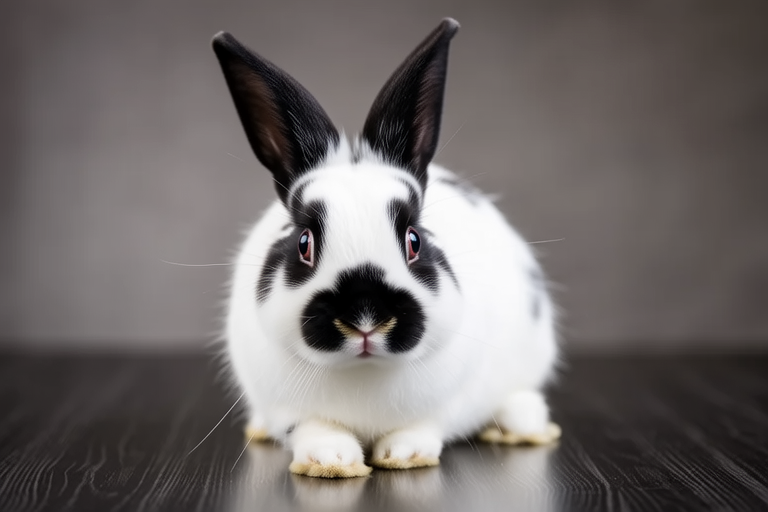
The Hotot rabbit is a rare breed, celebrated for its unique physical attributes. Its most notable feature is the ring of white fur encircling its black eyes, creating an almost mystical appearance. This eye marking, often referred to as ‘eyeliner,’ is what sets the Hotot apart from other rabbit breeds. Additionally, the Hotot’s coat is predominantly white, with a fine, dense texture that feels silky to the touch. The contrast between the black eye rings and the white fur makes the Hotot rabbit a standout in any setting.
History and Origins
The origins of the Hotot rabbit can be traced back to France in the early 20th century. It was developed by Eugenie Bernhard, who aimed to create a rabbit with perfect symmetry and a distinctive appearance. Bernhard’s vision was to produce a rabbit with a completely white body, except for the dark eye rings. This ambitious goal led her to crossbreed various rabbit breeds, including the Checkered Giant, White Vienna, and Blanc de Hotot.
Myths and stories surround the Hotot rabbit, many attributing its unique appearance to ancient folklore. One popular tale suggests that the rabbit was blessed by fairies, resulting in its enchanting eye rings. While these stories add charm to the breed’s legacy, the true story lies in the careful breeding efforts of Bernhard.
Genetic Factors and Breeding Practices
The genetic factors behind the Hotot rabbit’s unique coat and eye features are complex. The white fur is due to a recessive gene, meaning both parents must carry the gene for it to be expressed in the offspring. The eye rings are the result of a combination of genes that cause a pigment deficiency in the area around the eyes. This phenomenon, known as leucism, results in a loss of pigmentation in parts of the animal’s skin, hair, feathers, or scales.
Breeding practices have played a crucial role in maintaining and enhancing the Hotot’s distinct appearance. Selective breeding has been used to ensure that the offspring exhibit the desired traits, such as the perfect symmetry of the eye rings and the purity of the white fur. Breeders carefully select pairs of rabbits that display the best characteristics, ensuring that the next generation will inherit these traits.
Tips for Potential Owners
Owning a Hotot rabbit requires special care, particularly when it comes to maintaining its appearance. Regular grooming is essential to keep the fur healthy and free from mats. Use a soft-bristled brush to gently remove loose fur and prevent tangles. Pay special attention to the area around the eyes, as this is where the delicate eye rings are located. Wipe the area with a damp cloth to remove any debris or discharge that could smudge the eye rings.
Diet plays a significant role in the health of your Hotot rabbit. Provide a balanced diet rich in hay, fresh vegetables, and a limited amount of pellets. Ensure access to clean water at all times. A well-nourished rabbit will have a healthier coat and more vibrant eye rings.
Exercise is equally important for the overall well-being of your Hotot rabbit. Provide a spacious living environment with toys and tunnels to encourage physical activity. Regular playtime outside of the cage can also help maintain their mental and physical health.
The Significance of Preserving Rare Breeds
The preservation of rare breeds like the Hotot rabbit is crucial for maintaining genetic diversity within the rabbit population. These breeds offer a glimpse into the past, showcasing the creativity and dedication of breeders who worked to develop them. By supporting rare breeds, we contribute to the conservation of unique genetic traits and ensure that future generations can appreciate the beauty and charm of these animals.
For owners, the Hotot rabbit brings immense joy and satisfaction. Their striking appearance and gentle nature make them beloved pets. The bond formed between owner and rabbit is often deep and fulfilling, offering companionship and a sense of pride in caring for such a rare and beautiful creature.
In conclusion, the Hotot rabbit is a marvel of genetic engineering and selective breeding, offering a unique and captivating presence. From its origins in France to its current status as a cherished pet, the Hotot continues to enchant those who encounter it. By understanding and appreciating the complexities behind its appearance, we can better care for and preserve this magnificent breed for years to come.
