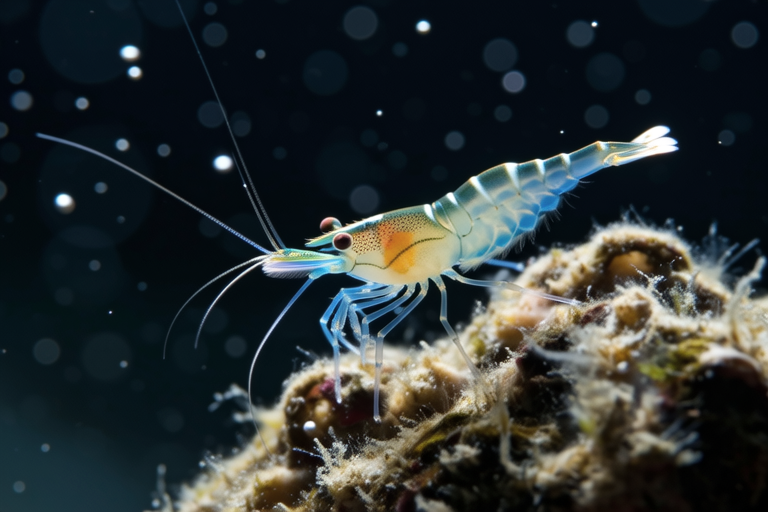
Uncovering the Hidden Secrets of Keeping Happy and Healthy Coral Shrimp
Coral shrimp, also known as cleaner shrimp or peppermint shrimp, are fascinating creatures that add a touch of elegance and intrigue to any marine aquarium. These tiny crustaceans come in a variety of species, each with its own unique characteristics and roles within the aquatic ecosystem. Understanding the diversity and needs of these shrimp can help aquarists create thriving, vibrant environments for them.
Diversity and Unique Characteristics of Coral Shrimp
Coral shrimp encompass several species, each with distinct features and behaviors. The most popular among aquarists include the Lysmata amboinensis, commonly known as the peppermint shrimp, and the Periclimenes hortipinnis, or scarlet cleaner shrimp. Peppermint shrimp are named for their striking red and white striped appearance, while scarlet cleaner shrimp are characterized by their bright red coloration and white spots. Another notable species is the Thor amboinensis, or candy cane shrimp, which has alternating red and white bands.
These shrimp play crucial roles in the aquarium ecosystem. Peppermint shrimp are particularly valued for their ability to consume nuisance algae, especially bubble algae. Cleaner shrimp, on the other hand, are known for their symbiotic relationships with fish and other marine life, cleaning parasites from their hosts. Their presence can significantly reduce stress levels in the aquarium’s inhabitants and contribute to overall system health.
Optimal Tank Setup Requirements
To ensure the well-being of coral shrimp, it’s essential to set up an environment that mimics their natural habitat. This involves carefully selecting the right tank size, water parameters, temperature, and filtration systems.
Tank Size and Decorations
Coral shrimp thrive in tanks of at least 20 gallons, providing ample space for exploration and hiding. Decorations like live rock and corals not only enhance the aesthetic appeal of the aquarium but also offer shelter and hiding places for the shrimp. Live rock also provides surfaces for beneficial bacteria to grow, contributing to the biological filtration of the tank.
Water Parameters
Maintaining stable water conditions is critical for the health of coral shrimp. Optimal salinity should range between 1.020 and 1.025 specific gravity. pH levels should be kept between 8.1 and 8.4, and ammonia and nitrite levels should be undetectable, with nitrates kept below 20 ppm. Regular testing and adjustment of these parameters using high-quality test kits are recommended.
Temperature
The ideal water temperature for coral shrimp is between 72°F and 78°F (22°C to 26°C). Consistent temperature control is vital, as fluctuations can cause stress and disease. Use a reliable heater and thermometer to maintain stability.
Filtration Systems
An efficient filtration system is essential for removing waste and maintaining water quality. Protein skimmers are highly recommended for saltwater tanks, as they effectively remove organic compounds before they break down into harmful substances. Additionally, mechanical and biological filtration helps keep the water clean and promotes a healthy bacterial population.
Appropriate Diet Options and Feeding Habits
Providing a balanced diet is crucial for the longevity and health of coral shrimp. While they primarily feed on detritus and algae, supplementing their diet with commercial foods can ensure they receive all necessary nutrients.
Dietary Needs
In addition to scavenging for food in the tank, coral shrimp can be fed a variety of suitable foods, such as frozen brine shrimp, mysis shrimp, and prepared marine pellets. It’s important to note that overfeeding can lead to poor water quality, so feeding should be done sparingly.
Feeding Habits
Observing feeding habits can provide insight into the shrimp’s well-being. Active feeding behavior indicates good health, while lethargy may suggest illness or stress. Regular feeding schedules can encourage consistent activity and promote a stable environment.
Maintaining Water Quality and Regular Maintenance Tasks
Water quality directly impacts the health of coral shrimp. Regular maintenance tasks are necessary to ensure a clean and healthy environment.
Water Changes
Performing partial water changes every two weeks is essential for maintaining water quality. Aim to change about 10% to 20% of the tank water each time. This helps dilute accumulated pollutants and replenish essential minerals.
Filter Cleaning
Regularly cleaning the filter media prevents clogging and maintains filtration efficiency. However, avoid over-cleaning, as this can disrupt beneficial bacteria colonies.
Saltwater Testing
Testing the water regularly for salinity, pH, ammonia, nitrite, and nitrate ensures that conditions remain within optimal ranges. Adjustments can be made as needed to maintain stability.
Common Health Issues, Signs of Distress, and Preventive Measures
Despite best efforts, coral shrimp may still encounter health issues. Identifying early signs of distress can facilitate timely intervention and treatment.
Common Health Issues
Some common health issues include bacterial infections, parasitic infestations, and molting difficulties. Symptoms to watch for include reduced activity, abnormal coloration, and difficulty shedding their exoskeleton.
Preventive Measures
To prevent health issues, maintain pristine water conditions, quarantine new additions, and avoid overcrowding. Quarantining new shrimp for a period of two to four weeks can help identify any underlying health problems before introducing them to the main tank.
Fostering a Stress-Free Environment and Enhancing Natural Behaviors
Creating a stress-free environment encourages natural behaviors and promotes overall well-being.
Minimizing Stressors
Avoid sudden changes in water parameters and minimize handling. Ensure there are plenty of hiding spots and a consistent routine to establish a sense of security.
Encouraging Natural Behaviors
Introducing live rock and corals can stimulate natural foraging and cleaning behaviors. Observing these activities can be both rewarding and educational for the aquarist.
In conclusion, keeping happy and healthy coral shrimp requires a combination of knowledge, care, and attention to detail. By understanding their unique needs and creating a suitable environment, aquarists can enjoy the beauty and benefits of these fascinating creatures for years to come.
