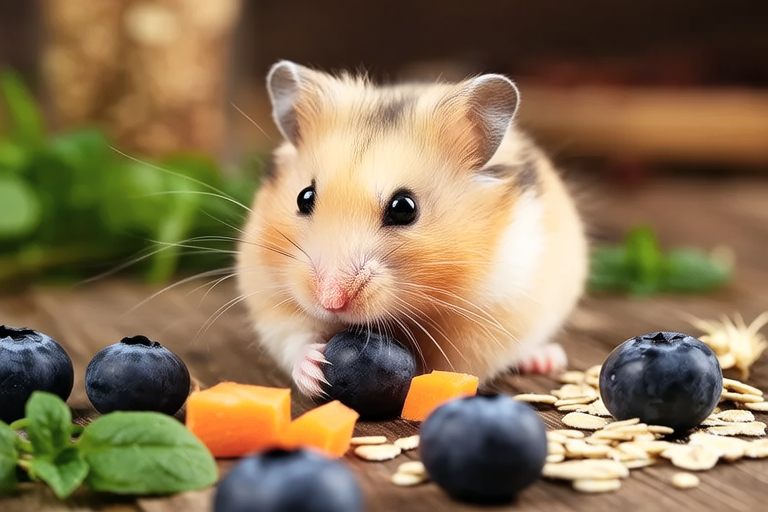
Golden Hamster Diet Decoded: What Treats Are Actually Good for Them?
Welcome to a comprehensive guide on the golden hamster diet. As pet owners, it’s crucial to understand the dietary needs of your golden hamsters to ensure their health and longevity. A well-balanced diet is the cornerstone of their overall wellbeing, and this article aims to decode the nutritional essentials for these delightful creatures.
The Importance of a Balanced Diet
A balanced diet is fundamental for golden hamsters, as it directly impacts their health and longevity. Proper nutrition ensures they maintain optimal body weight, have strong bones and teeth, and support their immune system. Without a balanced diet, hamsters may face various health issues, such as obesity, dental problems, and weakened immunity.
Nutritional Essentials for Golden Hamsters
Proteins
Proteins are vital for muscle growth and repair. Golden hamsters require high-quality protein sources, such as pellets formulated specifically for small rodents. These pellets typically contain a mix of seeds, grains, and legumes, ensuring a good balance of amino acids.
Fats
Fats provide energy and help absorb fat-soluble vitamins. However, too much fat can lead to obesity. Therefore, it’s essential to choose hamster pellets with moderate fat content and offer occasional fatty treats sparingly.
Carbohydrates
Carbohydrates are the primary source of energy for hamsters. They come from grains and seeds found in commercial pellets. It’s important to select pellets with whole grains rather than refined ones to ensure better nutrient absorption.
Vitamins and Minerals
Vitamins and minerals play a critical role in maintaining various bodily functions. Vitamin C is particularly important for hamsters, as they cannot synthesize it themselves. Pellets fortified with vitamin C are ideal, but you can also supplement their diet with fresh vegetables rich in this vitamin.
Common Misconceptions About Hamster Diets
One common misconception is that hamsters thrive on a diet primarily consisting of seeds. While seeds are part of their diet, they should not form the majority, as they are high in fat and low in other essential nutrients. Another myth is that feeding hamsters human food is harmless. Many human foods can be toxic or unhealthy for hamsters.
Safe and Nutritious Treats for Golden Hamsters
Providing treats can be a fun way to bond with your hamster while ensuring they get a variety of nutrients. Here’s a list of safe and nutritious treats:
- Fruits: Small pieces of apple, banana, blueberries, and strawberries (1/4 teaspoon per day)
- Vegetables: Carrot sticks, cucumber slices, and spinach leaves (1/4 teaspoon per day)
- Grains: Brown rice, quinoa, and oats (1/8 teaspoon per day)
- Commercial Treats: Hamster-safe biscuits and dried fruits (1-2 pieces per week)
It’s essential to introduce new treats gradually and monitor your hamster’s reaction to ensure they don’t experience any adverse effects.
Potential Harmful Foods to Avoid
Certain foods can be dangerous for golden hamsters:
- Chocolate: Contains theobromine, which is toxic to hamsters.
- Onions and Garlic: Can cause digestive upset and anemia.
- Avocado: The skin and pit contain persin, which is harmful.
- Raw Beans: Can cause bloating and discomfort.
- High-Sugar Foods: Including candy and sugary cereals, can lead to obesity and diabetes.
Tips for Transitioning Hamsters to New Food Items
When introducing new foods to your hamster, start with small quantities and observe their behavior and digestion over several days. Gradually increase the amount as long as there are no signs of distress. If your hamster shows any adverse reactions, discontinue the new food immediately.
The Importance of Fresh Water Availability
Water is crucial for all living beings, including hamsters. Ensure that your hamster has access to clean, fresh water at all times. Use a sipper bottle designed for small animals to prevent spills and contamination. Check the water daily and clean the bottle weekly to maintain hygiene.
Conclusion
In conclusion, understanding and meeting the nutritional needs of your golden hamster is paramount for their health and happiness. By providing a balanced diet, offering safe treats, and avoiding harmful foods, you can ensure your hamster enjoys a long and healthy life. Remember to introduce new foods gradually and always keep fresh water available. With this knowledge, you’re well-equipped to be the best caregiver for your golden hamster.
