From Ocean to Tank: Everything You Need to Know About Coral Shrimp Care
Introduction to Coral Shrimp Species Commonly Kept as Pets
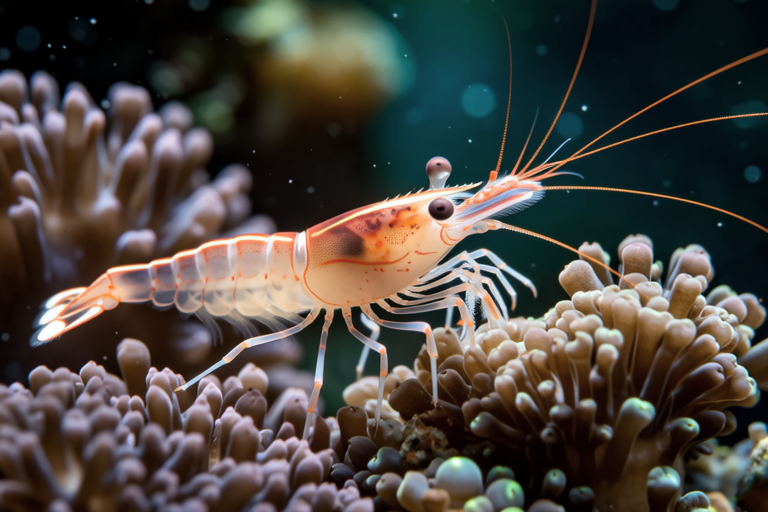
Coral shrimp, also known as cleaner shrimp or peppermint shrimp, are popular choices among marine aquarium enthusiasts due to their vibrant colors and unique behaviors. These small crustaceans belong to the family Hippolytidae and are native to tropical and subtropical waters around the world. Some common species include the blood red cleaner shrimp (Lysmata amboinensis), the scarlet cleaner shrimp (Lysmata grabhami), and the peppermint shrimp (Lysmata wurdemanni). Each species has its own distinct appearance and care requirements, making them fascinating additions to any saltwater aquarium.
Natural Habitat and Behavior of Coral Shrimp in the Ocean
In their natural habitat, coral shrimp are found in coral reefs, rocky crevices, and sandy bottoms where they can hide from predators. They play a crucial role in the ecosystem by cleaning parasites and dead tissue off fish and other marine creatures. Their symbiotic relationship with these animals ensures mutual benefit; the shrimp receive a meal, while the host fish enjoy improved health. This cleaning behavior is one of the reasons why many aquarists find coral shrimp so appealing, as they contribute positively to the overall health of their tanks.
Setting Up an Ideal Tank Environment for Coral Shrimp
To provide your coral shrimp with a comfortable living space, it’s essential to set up an appropriate tank environment. A typical setup should include a minimum tank size of 20 gallons to allow enough swimming room and hiding spots. The water temperature should be maintained between 72°F and 80°F, with a pH level ranging from 8.1 to 8.4. Proper filtration is vital to keep the water clean and free of harmful substances. Consider using a protein skimmer along with mechanical and biological filters to maintain excellent water quality.
Diet and Feeding Requirements for Optimal Health
Coral shrimp are omnivorous, meaning they eat both plant and animal matter. In the wild, they primarily feed on detritus, algae, and small organisms. To ensure they get all necessary nutrients, offer a varied diet that includes sinking pellets, frozen foods like brine shrimp or mysis shrimp, and occasional blanched vegetables such as zucchini or spinach. It’s important not to overfeed, as excess food can lead to poor water quality and stress on the shrimp. Feed them small amounts several times a week rather than large quantities less frequently.
Compatibility with Other Aquarium Inhabitants
When choosing tankmates for your coral shrimp, select peaceful fish and invertebrates that won’t pose a threat. Avoid aggressive or predatory species that might harm the shrimp. Compatible tankmates include dwarf angels, clownfish, tangs, and certain types of snails. Ensure there is adequate hiding space available within the tank to reduce competition and territorial disputes among inhabitants. Additionally, consider adding live rock and macroalgae to provide additional hiding places and grazing opportunities for your shrimp.
Common Health Issues and How to Prevent Them
Like any aquatic creature, coral shrimp are susceptible to various health problems if proper care isn’t taken. Parasites, bacterial infections, and stress-related illnesses are some of the most common issues faced by these shrimp. Regular monitoring of water conditions and maintaining good hygiene practices can help prevent many of these problems. Quarantine new additions before introducing them into the main tank to avoid spreading diseases. Also, observe your shrimp regularly for signs of distress, such as lethargy, loss of color, or unusual behavior, which may indicate underlying health concerns.
Breeding Coral Shrimp in a Home Aquarium
Breeding coral shrimp in captivity requires specific conditions and attention. Males and females must be present in the tank, and providing ample hiding spaces and suitable water conditions will encourage mating. After successful fertilization, female shrimp carry eggs under their bodies until they hatch. Once hatched, larvae require specialized care, including brine shrimp nauplii as food and stable water parameters. Successful breeding efforts can result in a thriving population of shrimp within your aquarium.
Tips for Maintaining a Healthy Coral Shrimp Population
To keep your coral shrimp healthy and happy, follow these tips: conduct regular water changes to maintain pristine water quality; provide a diverse range of hiding spots and feeding areas; monitor for signs of aggression or illness among tank inhabitants; and ensure a balanced diet rich in essential nutrients. By paying close attention to these aspects, you’ll create an environment conducive to the well-being of your coral shrimp colony.
Conclusion Summarizing Key Points and Encouraging Responsible Ownership
Raising coral shrimp as pets offers numerous benefits, including enhancing the beauty and functionality of your marine aquarium. Understanding their needs and providing a suitable environment ensures their longevity and happiness. As responsible owners, it’s crucial to prioritize the welfare of these delicate creatures by adhering to best practices outlined throughout this guide. With dedication and care, you can enjoy watching your coral shrimp thrive alongside other aquatic lifeforms, creating a harmonious underwater world right at home.
