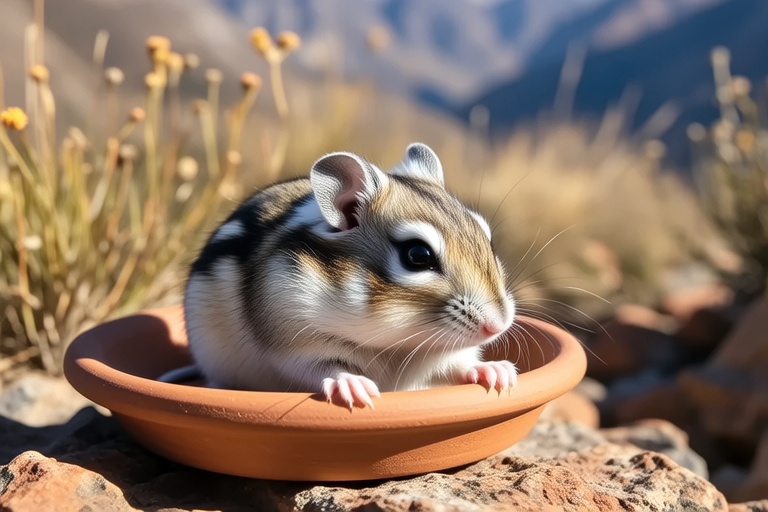
From the Andes to Your Home: Discovering the Fascinating World of Chinchillas
Welcome to a journey that takes us from the rugged peaks of the Andean mountains to the cozy corners of homes around the world. This article delves into the captivating story of chinchillas, one of nature’s most unique and enchanting creatures. We’ll explore their origins, adaptations, and the challenges they face as pets, all while offering valuable insights for those considering bringing a chinchilla into their lives.
The Andean Homeland of Chinchillas
Nestled among the towering peaks of the Andes, chinchillas call this high-altitude region their home. These small rodents have adapted marvelously to the harsh conditions of the Andean landscape, which includes freezing temperatures, strong winds, and sparse vegetation. The Andes, stretching over seven countries in South America, provide a diverse range of habitats, from arid deserts to lush alpine meadows, each playing a role in shaping the chinchilla’s remarkable survival skills.
Chinchillas inhabit areas with rocky outcrops and crevices where they can find shelter from predators and extreme weather. Their agility allows them to navigate these challenging terrains with ease, leaping and climbing with grace. The cold climate of the Andes has led to the development of some of their most notable features, particularly their incredibly dense fur, which serves as an insulating barrier against the biting winds and frigid temperatures.
Physical Characteristics: A Marvel of Evolution
Chinchillas are renowned for their soft, luxurious fur, which consists of up to 60 hairs per follicle, making it one of the densest furs in the animal kingdom. This dense coat is essential for maintaining body heat in their cold mountainous habitats. In addition to their thick fur, chinchillas possess other distinctive traits that make them stand out. They have large, rounded ears that help them detect sounds in their surroundings, and their whiskers play a crucial role in sensing their environment, especially in dark or narrow spaces.
Another fascinating adaptation is their ability to cool down through a process called ‘dust bathing.’ Due to the scarcity of water in their natural habitat, chinchillas have evolved to clean and cool themselves by rolling in volcanic ash or fine dust. This behavior helps remove oils and dirt from their fur without the need for water, which would be difficult to come by in their dry, high-altitude environment.
A Brief History of Chinchillas as Pets
The domestication of chinchillas as pets is a relatively recent phenomenon. Initially, these animals were prized for their fur, leading to widespread hunting and near extinction in the early 20th century. Fortunately, conservation efforts and the establishment of breeding programs have helped stabilize their populations. Today, chinchillas are more commonly kept as pets, though they still pose significant challenges for owners due to their specialized needs.
One of the biggest challenges for chinchillas in captivity is replicating the environmental conditions of their natural habitat. These animals require specific temperature ranges, humidity levels, and spacious living environments that mimic their rocky, mountainous homes. Additionally, chinchillas are highly social creatures, often living in colonies in the wild, so providing adequate companionship or mental stimulation is crucial for their well-being.
Caring for Your Chinchilla: Tips for Potential Owners
If you’re considering adopting a chinchilla, it’s important to understand the responsibilities that come with caring for such a unique pet. Here are some essential tips for ensuring your chinchilla thrives:
- Housing: Provide a large, secure enclosure with ample space for your chinchilla to move around, climb, and play. Include plenty of hiding spots, tunnels, and toys to keep them mentally stimulated.
- Diet: Chinchillas have specific dietary requirements. Feed them a balanced diet consisting of hay, pellets formulated specifically for chinchillas, and fresh water. Avoid sugary treats and human foods, as these can lead to health issues.
- Grooming: Regular grooming is necessary to maintain your chinchilla’s fur. Dust baths are a must, allowing them to clean and condition their fur naturally. However, avoid over-bathing, as it can strip their fur of its natural oils.
- Healthcare: Regular veterinary check-ups are vital for your chinchilla’s health. Look for signs of illness, such as lethargy, changes in appetite, or abnormal droppings. Early intervention can prevent serious health issues.
- Socialization: Chinchillas are social animals and may benefit from having a companion. If possible, adopt two chinchillas to ensure they have company and companionship.
Appreciating Chinchillas Beyond Pets
While chinchillas can make wonderful pets, it’s important to remember their role as ambassadors of their native Andean ecosystems. By learning about and appreciating these animals, we can contribute to their conservation and preservation. Supporting ethical breeding practices, responsible pet ownership, and wildlife conservation initiatives can help protect chinchillas and their habitats for future generations.
In conclusion, chinchillas are more than just charming pets; they are symbols of the rich biodiversity found in the Andean mountains. Their story is one of resilience, adaptation, and survival in the face of adversity. By understanding and respecting these incredible creatures, we can ensure that they continue to thrive both in the wild and in our homes.
Whether you’re a seasoned pet owner or simply an admirer of the natural world, there’s much to learn and appreciate about chinchillas. Join us in celebrating these fascinating animals and their remarkable journey from the Andes to your home.
