From Aquariums to Oceans: The Journey of Domesticated Parrot Fish
The world of marine life is as diverse and fascinating as it is delicate. Among the many captivating creatures that inhabit our oceans, parrot fish stand out with their vibrant colors and unique behaviors. These fish have become popular choices for home aquariums due to their striking appearance and relative ease of care. However, what happens when these fish are released back into their natural habitat after being kept in controlled environments? This article explores the journey of domesticated parrot fish from aquariums to the vastness of natural oceans, highlighting their unique characteristics, adaptation challenges, and the ethical implications of their captivity.
Unique Characteristics of Parrot Fish Suitable for Domestic Aquariums
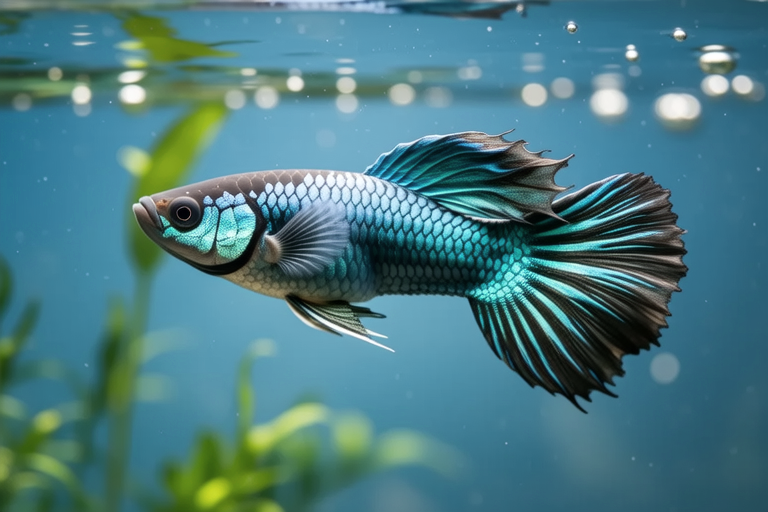
Parrot fish are known for their bright, often neon-like colors, which make them a favorite among aquarists. Their distinctive beak-like mouths are used for scraping algae off rocks and coral, contributing to the health of reef ecosystems. These fish can grow up to three feet long, though most aquarium specimens are smaller. They are generally peaceful and can coexist with other non-aggressive species, making them ideal for community tanks.
In captivity, parrot fish require specific conditions to thrive. They need a large tank, ideally over 100 gallons, to accommodate their size and swimming patterns. A diet rich in spirulina, marine algae, and high-quality flake or pellet food ensures their health. Additionally, providing ample hiding spots and ensuring water quality through regular maintenance is crucial for their well-being.
The Transition Challenges: From Controlled Environments to Natural Oceans
Releasing parrot fish from aquariums into the wild poses significant challenges. The sudden shift from a controlled environment to the vastness of the ocean can be overwhelming. Fish that have been raised in captivity may lack the necessary skills and instincts to survive in their natural habitat. For instance, they might not know how to find food or avoid predators effectively.
One of the primary challenges is acclimatization. Fish that have been kept in a stable, temperature-controlled environment must adjust to the variable conditions of the ocean, including fluctuating temperatures, salinity levels, and currents. This process can be stressful and may impact their health.
Scientific Insights on Adaptation Processes
Research has shown that parrot fish possess remarkable adaptive capabilities. Upon release, they undergo physiological changes to cope with the new environment. For example, their digestive systems adapt to different types of algae and microorganisms found in the wild. Behavioral changes also occur, such as learning to swim more efficiently and developing predator avoidance strategies.
Studies have indicated that juvenile parrot fish released into the wild exhibit higher survival rates if they are gradually introduced to natural conditions before full release. This process, known as ‘soft release,’ allows the fish to acclimate to changes in water parameters and environmental stimuli in a controlled manner. Over time, they develop the necessary skills to thrive independently.
Behavioral Changes and Survival Strategies
In their natural habitats, parrot fish play a crucial role in maintaining the health of coral reefs. By grazing on algae, they prevent the overgrowth that could smother corals. In the wild, they live in groups called harems, where one male defends multiple females. This social structure helps them find mates and protect territories.
Survival strategies in the wild include camouflage techniques and group behavior. Parrot fish can change color and pattern to blend in with their surroundings, helping them evade predators. Additionally, their schooling behavior provides safety in numbers, reducing individual risk.
Ethical Considerations of Keeping Marine Species in Captivity
The practice of keeping marine species in captivity raises important ethical questions. While aquariums provide a means to educate the public about marine life, they also pose risks to the animals’ welfare. Captive environments cannot fully replicate the complexity and richness of natural habitats, potentially leading to stress and reduced lifespan.
Moreover, the collection of parrot fish for the aquarium trade can have negative impacts on wild populations. Overfishing and improper collection methods can disrupt local ecosystems and reduce genetic diversity. It is essential to promote sustainable practices and support organizations working to protect marine biodiversity.
The Importance of Conservation Efforts
Conservation efforts are vital for the survival of parrot fish and the ecosystems they inhabit. Protecting coral reefs, which serve as critical habitats for these fish, is paramount. Initiatives such as marine protected areas (MPAs) and coral reef restoration projects help preserve biodiversity and ensure the continued existence of these vibrant creatures.
Individuals can contribute to conservation by supporting ethical aquarium practices and participating in citizen science programs. Educating oneself and others about the importance of marine life preservation fosters a greater appreciation for the beauty and complexity of our oceans.
Conclusion
The journey of domesticated parrot fish from aquariums to oceans highlights the intricate balance between human interaction and the natural world. While these fish bring joy and wonder to those who care for them, their release into the wild underscores the importance of responsible stewardship. By understanding the challenges and adaptations faced by these creatures, we can better appreciate the delicate nature of marine ecosystems and work towards their preservation.
Let us continue to explore and learn about the wonders of the ocean, fostering a sense of responsibility and respect for all its inhabitants. Through education, advocacy, and action, we can ensure that future generations will marvel at the vibrant beauty of parrot fish and the countless other species that call the ocean home.
