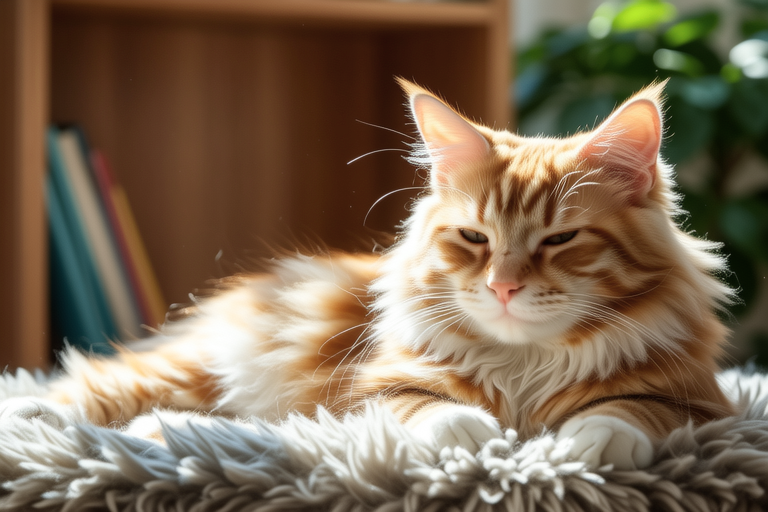
The Cozy Life of an Orange Cat: Top 10 Facts You Didn’t Know
Orange cats, with their striking coats and playful personalities, have captured the hearts of many cat enthusiasts. These felines are more than just pretty faces; they possess unique traits that set them apart from other cats. In this article, we delve into the fascinating world of orange cats, uncovering ten intriguing facts that you might not know about these beloved pets.
1. The Genetics Behind Their Stunning Fur
Did you know that the distinctive orange coloration in cats is primarily determined by genetics? A study published in Genetics reveals that the gene responsible for orange fur is located on the X chromosome. This means that male cats, who have only one X chromosome, can be either orange or black but never both. Female cats, however, inherit two X chromosomes, so they can carry both orange and black genes, resulting in various combinations such as calico or tortoiseshell patterns.
Interestingly, orange cats are often referred to as ginger or marmalade cats, depending on the intensity of their coat color. The term ‘ginger’ is commonly used in the UK, while ‘marmalade’ is more popular in North America.
2. Personality Traits of Orange Cats
Orange cats are renowned for their friendly and sociable nature. Many owners describe their orange companions as being exceptionally affectionate and outgoing. A survey conducted by the American Association of Feline Practitioners found that orange cats were more likely to seek out human interaction compared to other colored cats. This trait makes them ideal companions for families and individuals alike.
These felines also tend to be quite vocal, often engaging in conversations with their owners through meows and purrs. Their communication style is often described as expressive and engaging, making it easier for humans to understand their needs and desires.
3. Health Considerations for Orange Cats
While orange cats generally enjoy good health, there are some specific health concerns that owners should be aware of. Research indicates that orange cats are more prone to certain genetic conditions, such as hypertrophic cardiomyopathy (HCM), a heart disease that affects the heart muscle. It’s essential for owners to schedule regular check-ups with a veterinarian to monitor their pet’s heart health.
Additionally, orange cats may be more susceptible to skin issues due to their lighter fur. Owners should keep an eye out for any signs of irritation or infection and consult a vet if necessary. Proper grooming and maintaining a clean environment can help prevent these issues.
4. Historical Significance of Orange Cats
Orange cats have played significant roles in history and folklore. In ancient Egypt, cats were revered as sacred animals, and orange cats were particularly esteemed for their striking appearance. They were often depicted in hieroglyphics and sculptures, symbolizing protection and fertility. The Egyptians believed that these cats possessed divine qualities and were associated with the goddess Bastet.
In medieval Europe, orange cats were thought to have magical powers and were kept by witches and healers. Their presence was believed to ward off evil spirits and bring good fortune. Today, orange cats continue to hold a special place in the hearts of many, serving as symbols of luck and prosperity.
5. Unique Behavioral Traits of Orange Cats
Orange cats exhibit several unique behavioral traits that make them stand out from other breeds. One notable characteristic is their love for sunbathing. Many orange cats can often be found lounging in warm, sunny spots, basking in the rays. This behavior is not only relaxing for the cat but also helps them regulate their body temperature.
Another interesting trait is their tendency to engage in playful antics. Orange cats are known for their playful personalities and often display a kitten-like exuberance even into adulthood. They enjoy interactive toys and games, making them excellent companions for owners looking for a fun and active pet.
6. The Popularity of Orange Cats
Orange cats have consistently ranked among the most popular cat breeds worldwide. According to a survey conducted by the Cat Fanciers’ Association, orange cats are one of the top choices for pet owners. Their friendly demeanor and striking appearance contribute to their popularity.
Many celebrities and public figures have been known to own orange cats, further boosting their appeal. For instance, British actor Simon Cowell is famously known for his love of orange cats, particularly his cat Larry. The media attention surrounding celebrity-owned orange cats has helped increase their visibility and desirability.
7. Orange Cats and Their Diet
Feeding an orange cat requires careful consideration of their dietary needs. While all cats require a balanced diet rich in proteins, fats, and vitamins, orange cats may benefit from specific nutrients to maintain their vibrant coat. Omega-3 fatty acids, found in fish oil, are particularly beneficial for promoting healthy skin and fur. Incorporating foods rich in these nutrients, such as salmon or tuna, can help keep your orange cat’s coat shiny and healthy.
It’s important to note that while orange cats may have specific dietary requirements, they should still follow a balanced diet tailored to their age, weight, and activity level. Consulting with a veterinarian can provide personalized recommendations for your pet’s nutritional needs.
8. The Social Lives of Orange Cats
Orange cats are social creatures that thrive in environments where they can interact with other animals and humans. Studies have shown that orange cats tend to form strong bonds with their owners and other pets in the household. They are often seen as the peacemakers in multi-pet households, helping to mediate conflicts between other animals.
These felines also enjoy the company of other cats and can adapt well to living in colonies. In shelters, orange cats are often the first to be adopted due to their friendly and approachable nature. Their ability to form strong social connections makes them ideal candidates for fostering and adoption programs.
9. Training and Learning Capabilities of Orange Cats
Orange cats are intelligent and trainable, capable of learning new tricks and commands with patience and positive reinforcement. Training sessions can be an enjoyable way to bond with your pet and stimulate their cognitive abilities. Simple commands like ‘sit’, ‘stay’, and ‘come’ can be taught using treats and praise as rewards.
Owners should be patient and consistent when training their orange cats, as each cat learns at its own pace. Positive reinforcement techniques, such as clicker training, can be particularly effective in encouraging desired behaviors. With time and effort, orange cats can become well-trained and responsive pets.
10. Orange Cats in Art and Literature
Orange cats have long been featured in art and literature, inspiring countless works of creativity. From paintings to novels, these felines have captivated artists and writers alike. One famous example is the character of Cheshire Cat in Lewis Carroll’s Alice’s Adventures in Wonderland. The enigmatic and mischievous Cheshire Cat has become an iconic figure in literature, representing the playful and unpredictable nature of orange cats.
Artists throughout history have also been drawn to the beauty and charm of orange cats. Paintings featuring these felines can be found in galleries around the world, showcasing their grace and elegance. The enduring fascination with orange cats in art and literature speaks to their timeless appeal and cultural significance.
In conclusion, orange cats are much more than just beautiful pets; they are fascinating creatures with unique traits and histories. From their genetic makeup to their social behaviors, these felines offer endless opportunities for discovery and enjoyment. Whether you’re an experienced cat owner or considering adding an orange cat to your family, there’s always something new to learn about these delightful companions. So next time you encounter an orange cat, take a moment to appreciate the wonder of these extraordinary creatures.
