Unveiling the Top 7 Myths About Bearded Dragons You Need to Know
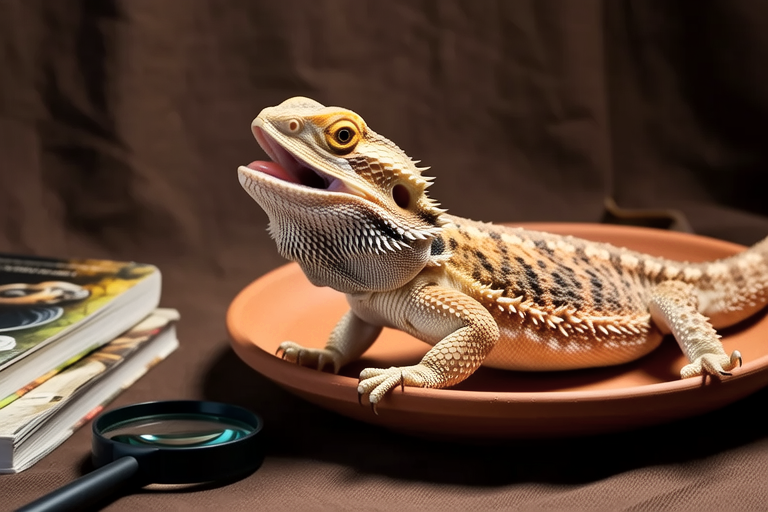
Welcome to the fascinating world of bearded dragons! These captivating creatures have become increasingly popular among pet enthusiasts over the past few decades. Known scientifically as Pogona vitticeps, bearded dragons are native to Australia and have been introduced to many households around the globe. Their docile nature, ease of care, and unique appearance make them ideal pets for both beginners and seasoned reptile owners alike. However, despite their growing popularity, there are several misconceptions surrounding these delightful lizards. In this article, we will explore and debunk the top seven myths about bearded dragons, providing you with accurate information that will help you better understand and care for your scaly friend.
Myth 1: Bearded Dragons Don’t Require UVB Lighting
One of the most common myths about bearded dragons is that they don’t need UVB lighting. This couldn’t be further from the truth. Bearded dragons rely heavily on UVB light to synthesize vitamin D3, which is crucial for calcium absorption and overall bone health. Without adequate UVB exposure, bearded dragons can develop metabolic bone disease (MBD), leading to severe health issues such as weakened bones, seizures, and even death. Therefore, it’s essential to provide your bearded dragon with a high-quality UVB lamp that covers at least 50% of their enclosure. The lamp should be replaced every six months or according to the manufacturer’s recommendations to ensure optimal functionality. For more detailed information, refer to the book “The Bearded Dragon Manual” by Philippe de Vosjoli.
Myth 2: Bearded Dragons Can Eat Just About Any Fruit or Vegetable
Another prevalent myth is that bearded dragons can eat any fruit or vegetable without harm. While it’s true that bearded dragons enjoy a wide variety of plant-based foods, not all fruits and vegetables are safe or nutritious for them. Some plants, like spinach and kale, contain oxalates that can bind calcium, making it unavailable for absorption. Others, such as avocado and rhubarb, are toxic to bearded dragons. It’s important to research and select appropriate foods carefully. A balanced diet for bearded dragons typically includes leafy greens like collard greens, mustard greens, and dandelion greens; occasional fruits like mangoes and papayas; and a variety of insects for protein. Always consult with a veterinarian specializing in reptiles to ensure your bearded dragon receives a nutritionally complete diet.
Myth 3: Bearded Dragons Hibernate Indoors
Bearded dragons are ectothermic, meaning their body temperature depends on external heat sources. As a result, they don’t hibernate in the traditional sense. Instead, they undergo a process known as brumation, during which they become less active and may spend extended periods of time sleeping. Brumation is a natural behavior triggered by changes in environmental conditions, such as shorter days and cooler temperatures. Indoor bearded dragons may show signs of brumation if their habitat is not properly maintained. To prevent this, ensure your bearded dragon’s enclosure remains warm and provides ample daylight hours. If your bearded dragon does enter brumation, monitor their weight and hydration levels closely, and seek veterinary care if necessary.
Myth 4: Bearded Dragons Can Survive on a Diet of Crickets Alone
Many new bearded dragon owners mistakenly believe that crickets alone can fulfill their pet’s dietary needs. While crickets are an excellent source of protein, a diet consisting solely of crickets lacks essential nutrients, vitamins, and minerals. To maintain optimal health, bearded dragons require a varied diet that includes other insects like dubia roaches, superworms, and waxworms, as well as leafy greens and vegetables. Feeding a diverse range of foods ensures that your bearded dragon receives all the necessary nutrients for growth, maintenance, and overall well-being. Additionally, gut-loading feeder insects with nutritious food before offering them to your bearded dragon can enhance their nutritional value.
Myth 5: Bearded Dragons Are Nocturnal
Bearded dragons are often mistakenly thought to be nocturnal animals. In reality, they are diurnal, meaning they are most active during the day. They bask under sunlight or artificial UVB lamps to regulate their body temperature and absorb essential nutrients. Providing a consistent day-night cycle and appropriate lighting is crucial for maintaining their circadian rhythms and promoting healthy behaviors. Encourage your bearded dragon to bask by placing a basking spot at one end of their enclosure and ensuring access to a cool-down area at the other end. This setup mimics their natural environment and supports their physical and mental health.
Myth 6: Bearded Dragons Can Live in Small Tanks
Another common misconception is that bearded dragons can thrive in small enclosures. In fact, bearded dragons require spacious living environments that allow them to move around freely and engage in natural behaviors. The minimum recommended size for a bearded dragon’s tank is 40 gallons for juveniles and 75 gallons for adults. Larger tanks provide more space for climbing, exploring, and basking, which are essential activities for their physical and mental well-being. Additionally, overcrowded habitats can lead to stress, aggression, and health problems. Ensure your bearded dragon’s enclosure is appropriately sized and equipped with branches, rocks, and hides for enrichment.
Myth 7: Bearded Dragons Can Survive on Water Bowls Alone
Water bowls are an essential part of a bearded dragon’s habitat, but they are not sufficient for meeting their hydration needs. Bearded dragons primarily absorb water through their skin and by consuming prey items. To ensure proper hydration, provide a shallow water dish that your bearded dragon can easily access and climb out of. Additionally, misting their enclosure daily or providing a humid hide can help increase their water intake. It’s also important to monitor your bearded dragon’s hydration levels and adjust their environment accordingly. Signs of dehydration include sunken eyes, wrinkled skin, and lethargy. If you notice any of these symptoms, consult a veterinarian immediately.
Advice for Responsible Bearded Dragon Ownership
Owning a bearded dragon is a rewarding experience, but it also comes with significant responsibilities. To ensure the health and happiness of your pet, follow these guidelines:
- Provide a spacious, well-maintained enclosure with appropriate lighting, temperature, and humidity.
- Feed a balanced diet that includes a variety of vegetables, fruits, and insects.
- Monitor your bearded dragon’s health regularly and seek veterinary care when necessary.
- Handle your bearded dragon gently and frequently to establish trust and reduce stress.
- Research and stay informed about the latest care practices and advancements in reptile husbandry.
By following these tips and staying committed to your bearded dragon’s well-being, you can provide them with a loving home and a long, healthy life.
Where to Find More Reliable Information
If you’re looking for more in-depth information about bearded dragons, consider consulting books, reputable websites, and professional veterinarians. Some recommended resources include:
- “The Bearded Dragon Manual” by Philippe de Vosjoli
- “Bearded Dragons: Your Happy Healthy Pet” by Philippe de Vosjoli
- The Reptile Forums website, which offers a wealth of community knowledge and expert advice.
Remember, the more you learn about your bearded dragon, the better equipped you’ll be to provide them with the best possible care. Happy reading and happy dragon owning!
