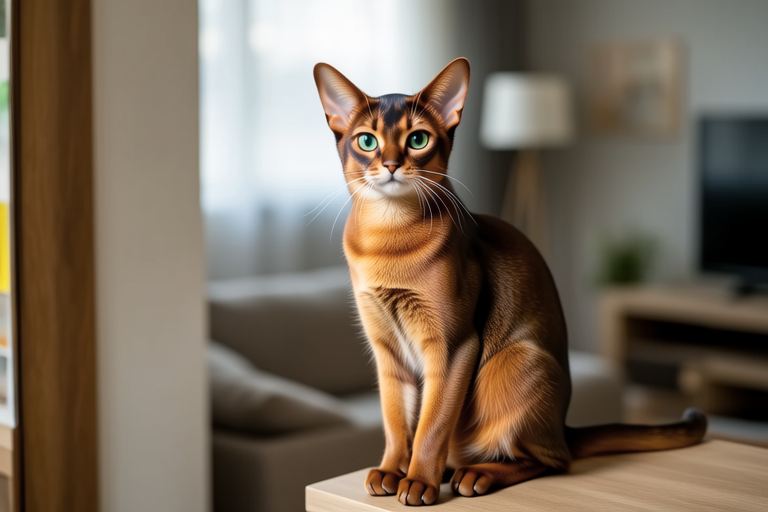
The Ultimate Guide to Keeping Your Abyssinian Happy and Healthy
Abyssinians are one of the most popular cat breeds due to their unique appearance and playful personalities. Originating from Ethiopia, these cats have a striking coat that resembles the fur of a wild animal, with a ticked pattern that gives them a distinctive look. Their intelligence, curiosity, and high energy levels make them a favorite among cat enthusiasts. However, keeping an Abyssinian happy and healthy requires specific care and attention to their unique needs. This guide will cover essential aspects of Abyssinian care, including diet, exercise, grooming, common health issues, environmental enrichment, social interaction, and training.
Diet: Fueling Your Abyssinian’s Energy
Providing your Abyssinian with a balanced diet is crucial for maintaining their health and vitality. These cats are known for their high energy levels, so they require food rich in protein and fat to fuel their active lifestyle. Choose high-quality commercial cat foods that list meat as the primary ingredient, avoiding products with fillers or artificial additives. Wet food can be beneficial for hydration, as Abyssinians may not always drink enough water on their own. Additionally, consider incorporating fresh vegetables and cooked meats into their diet as occasional treats. Always consult with your veterinarian before making any significant changes to your cat’s diet.
Exercise: Keeping Your Abyssinian Fit and Focused
Abyssinians are incredibly agile and love to climb, jump, and explore. To keep them physically fit and mentally stimulated, provide plenty of opportunities for play and exercise. Invest in sturdy cat trees, scratching posts, and interactive toys that encourage climbing, pouncing, and chasing. Rotate toys regularly to maintain their interest and prevent boredom. Consider introducing laser pointers or feather wands for short bursts of intense activity. If possible, allow your Abyssinian supervised outdoor time in a safe enclosure or on a leash, but always prioritize their safety and well-being.
Grooming: Maintaining Your Abyssinian’s Unique Coat
Abyssinians have a short, fine coat that requires minimal grooming, but regular brushing is still important to remove loose hair and distribute natural oils. Use a soft-bristled brush or grooming mitt to gently stroke their fur in the direction it grows. Bathing should be infrequent, as over-bathing can strip their skin of essential oils. Trim their nails every few weeks to prevent overgrowth and scratching damage. Check their ears weekly for dirt or debris, cleaning them gently with a cotton ball and pet-safe ear cleaner if necessary. Brush their teeth daily with a toothbrush and pet-safe toothpaste to promote dental health.
Common Health Issues: Awareness and Prevention
While Abyssinians are generally healthy cats, they are prone to certain genetic conditions that require vigilance. Progressive retinal atrophy (PRA) is a degenerative eye disease that can lead to blindness. Regular eye exams by a veterinarian can help detect early signs and monitor progression. Another concern is pyruvate kinase deficiency (PKD), an inherited disorder that affects red blood cells. Genetic testing can identify carriers and affected cats, allowing for informed breeding decisions. Routine veterinary check-ups, vaccinations, and parasite prevention are vital for maintaining overall health.
Environmental Enrichment: Creating a Stimulating Home
Abyssinians thrive in environments that offer mental and physical stimulation. Provide a variety of climbing structures, hiding spots, and interactive toys to keep them engaged. Puzzle feeders can challenge their minds while satisfying their appetite. Consider creating a window perch with a view of birds or other outdoor activities to encourage observation and exploration. Rotate toys and objects periodically to maintain interest and prevent monotony. Ensure your home is safe for curious cats by securing loose wires, closing cabinets, and removing toxic plants. A stimulating environment will contribute to your Abyssinian’s happiness and well-being.
Social Interaction: Nurturing Bonds with Your Abyssinian
Abyssinians are highly social cats that enjoy spending time with their human companions. They tend to form strong bonds with their owners and may follow them around the house, seeking attention and affection. Spend quality time with your Abyssinian through gentle play, petting, and verbal communication. Some Abyssinians enjoy being brushed or held, while others prefer more independent interactions. Respect your cat’s preferences and boundaries, offering affection in ways that suit their personality. Positive reinforcement techniques, such as treats and praise, can strengthen the bond between you and your cat.
Training: Teaching Your Abyssinian Good Habits
Training your Abyssinian can enhance their behavior and make living together more harmonious. Positive reinforcement techniques, such as clicker training, can teach basic commands like ‘come’ and ‘sit.’ Consistency is key, rewarding desired behaviors with treats and praise while ignoring unwanted actions. Redirect destructive behaviors, such as scratching furniture, by providing appropriate scratching posts and using deterrent sprays. Encourage litter box use by placing the box in a quiet, easily accessible location and maintaining cleanliness. Training can also include teaching your Abyssinian to walk on a leash for supervised outdoor adventures.
Conclusion: A Happy and Healthy Abyssinian
By following these guidelines, you can ensure your Abyssinian leads a happy and healthy life. Remember that each cat is unique, so tailor your approach to meet their individual needs and preferences. Regular veterinary care, proper nutrition, ample exercise, and a stimulating environment are essential components of Abyssinian care. With dedication and attention, you can foster a loving relationship with your Abyssinian and provide them with everything they need to thrive. Enjoy the journey of sharing your life with this remarkable breed!
