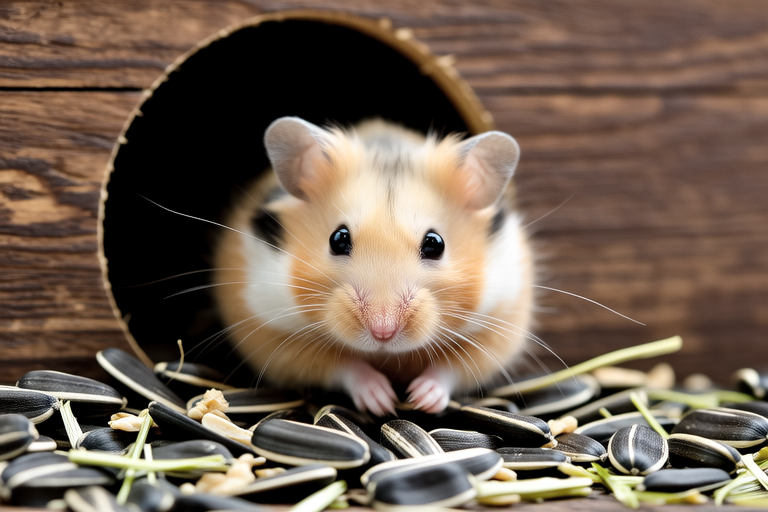
From Tiny Tunnels to Big Hearts: The Ultimate Golden Hamster Care Guide
Welcome to the world of golden hamsters! These small, furry creatures are not only adorable but also fascinating companions. This guide will walk you through the essential aspects of golden hamster care, ensuring that your pet leads a healthy and happy life. Whether you’re a first-time owner or a seasoned hamster enthusiast, this comprehensive guide will provide valuable insights into housing, diet, health, exercise, grooming, and bonding.
Housing Requirements
The first step in providing excellent care for your golden hamster is setting up a suitable living environment. A spacious cage with plenty of room for tunnels, bedding, and toys is crucial. The cage should be at least 800 square inches (about 515 square centimeters) to allow your hamster ample space to explore and exercise.
Ensure the cage has multiple levels and tunnels for your hamster to burrow in, mimicking their natural habitat. Use soft bedding materials like aspen wood shavings or paper-based bedding, avoiding cedar and pine, which can irritate your hamster’s respiratory system. Provide a nesting box filled with shredded paper or tissue for your hamster to sleep in. Real-life example: Sarah found that her hamster spent most of its day exploring the multi-level cage she built, showing how important it is to mimic their natural burrowing behavior.
Appropriate Diet
A balanced diet is vital for your golden hamster’s health. Their diet should primarily consist of commercial hamster food, which includes a mix of seeds, grains, and pellets. Additionally, offer fresh vegetables and fruits in moderation, such as carrots, apples, and leafy greens. Avoid feeding them citrus fruits and foods high in sugar or fat.
Always ensure access to clean, fresh water. A water bottle with a sipper tube is ideal, as it keeps the water clean and prevents spills. Real-life example: John noticed his hamster preferred to drink from the sipper tube, highlighting the importance of proper hydration methods.
Health Care Tips
Golden hamsters are generally hardy animals, but they can still fall ill if not cared for properly. Regularly check your hamster for signs of illness, such as lethargy, loss of appetite, or changes in bathroom habits. Clean the cage weekly to prevent the buildup of bacteria and maintain good hygiene.
Veterinary care is essential for your hamster’s well-being. Schedule annual check-ups and vaccinations. In case of an emergency, always have a veterinarian specializing in small animals available. Real-life example: Lisa learned the importance of regular vet visits after her hamster recovered from a mild infection caught during a routine check-up.
Exercise Needs
Golden hamsters are naturally active creatures, and they require plenty of opportunities to exercise. In addition to the cage setup, provide your hamster with a safe exercise wheel. Choose a solid-surfaced wheel to prevent injuries to their feet. Rotate toys regularly to keep your hamster mentally stimulated. Real-life example: Mike observed his hamster running on the wheel for hours, demonstrating how much they enjoy physical activity.
Grooming Practices
Regular grooming is necessary for your golden hamster’s health and happiness. Gently brush their fur weekly to remove loose hairs and prevent matting. Trim their nails every few weeks if needed, using specialized nail clippers for small animals. Bathing is unnecessary and can cause stress; instead, spot-clean any dirty areas with a damp cloth. Real-life example: Emma found that her hamster enjoyed being brushed, showing how grooming can be a bonding experience.
Advice on Handling and Bonding
Handling your golden hamster requires patience and gentleness. Always support their entire body when holding them, as they are delicate and can easily get injured. Begin by letting your hamster get used to your scent by placing a piece of cloth with your scent near their cage. Gradually introduce hand feeding and gentle petting.
Bonding with your hamster takes time and consistency. Spend time each day interacting with them, offering treats, and playing with toys. Real-life example: Tom noted that his hamster began to approach him eagerly after several weeks of consistent interaction, proving that bonding is a gradual process.
Understanding Natural Behaviors
To provide optimal care for your golden hamster, it’s essential to understand their natural behaviors. They are nocturnal, meaning they are most active at night. Respect their sleeping patterns by minimizing disturbances during the day. Golden hamsters are solitary animals and prefer to live alone, so avoid keeping more than one hamster per cage to prevent fighting.
Real-life example: Emily realized her hamster was more active during the night after observing its behavior closely, emphasizing the importance of respecting their natural rhythms.
Conclusion
Caring for a golden hamster is a rewarding experience that requires dedication and attention to detail. By understanding their housing, dietary, health, exercise, grooming, and social needs, you can provide your pet with a loving and stimulating environment. Remember to observe their natural behaviors and adapt your care accordingly. With the right knowledge and care, your golden hamster will thrive and become a cherished member of your family.
