The Ultimate Schnauzer Parenting Handbook: Expert Advice for New Owners
Introduction
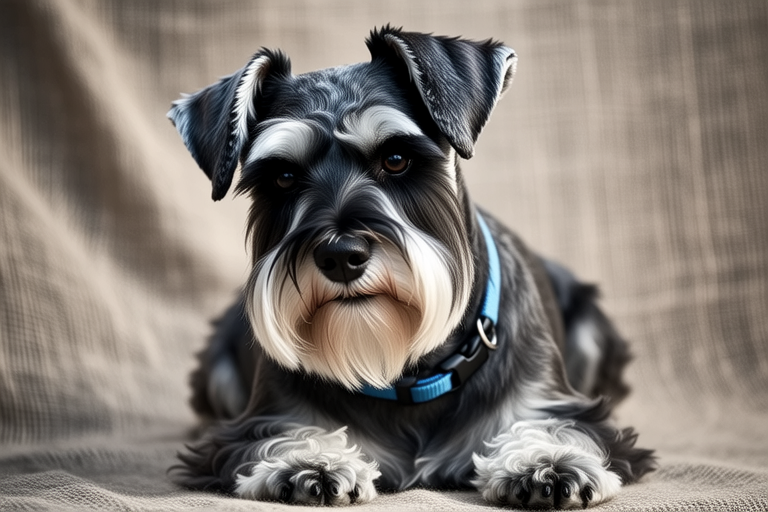
Welcome to the world of schnauzers! This breed is known for its unique appearance, lively personality, and strong loyalty to its family. As a new owner, you may feel overwhelmed by the responsibilities that come with caring for a schnauzer. This comprehensive guide aims to provide you with all the necessary information to ensure your schnauzer leads a happy and healthy life.
Essential Care
Daily Routines
Your schnauzer requires a structured daily routine to thrive. Ensure they have a balanced diet, regular exercise, and plenty of social interaction. Schnauzers are active dogs that need at least an hour of physical activity each day. This can include walking, running, or playing fetch. Additionally, provide mental stimulation through interactive toys and puzzles.
Training Tips
Training your schnauzer early is crucial. They are intelligent and eager to please but can also be stubborn if not trained properly. Start with basic commands such as ‘sit,’ ‘stay,’ and ‘come.’ Use positive reinforcement techniques like treats and praise to encourage good behavior. Consistency is key; always use the same command words and reward system.
Health Considerations
Schnauzers are generally healthy dogs but can be prone to certain genetic conditions. Regular veterinary check-ups, vaccinations, and dental care are essential. Common health issues include diabetes, hip dysplasia, and eye problems. Early detection and treatment can prevent these conditions from worsening.
Grooming Needs
Haircuts and Brushing
Schnauzers have a distinctive double coat that requires regular grooming. Their undercoat sheds less than many other breeds, but it still needs attention. Brush your schnauzer’s coat at least twice a week to remove loose hair and prevent matting. Professional grooming every six to eight weeks is recommended to maintain their signature beard and eyebrows.
Bathing
Bathe your schnauzer only when necessary, typically once every few months. Over-bathing can strip their skin of natural oils. Use a mild shampoo specifically formulated for dogs. After bathing, thoroughly rinse the coat and dry it with a towel before using a blow dryer set on low heat.
Diet Recommendations
Feeding Schedule
Aim to feed your schnauzer two meals per day rather than one large meal. This helps regulate their blood sugar levels and prevents bloat, a potentially life-threatening condition. Consult your veterinarian to determine the appropriate portion size based on your dog’s age, weight, and activity level.
Nutritional Needs
Schnauzers require a balanced diet rich in protein, fats, vitamins, and minerals. High-quality commercial dog food or home-cooked meals can meet these nutritional requirements. Avoid feeding table scraps, as they can upset your schnauzer’s digestive system and lead to obesity. Fresh water should always be available.
Common Behavioral Issues
Aggression
Schnauzers can exhibit aggressive behaviors towards strangers or other animals. Socialization from a young age is vital to prevent aggression. Expose your schnauzer to various people, places, and situations to help them become comfortable and confident. If aggression persists, consult a professional trainer or behaviorist.
Barking
Schnauzers are known for their alertness and tendency to bark. While this trait can be useful for warning you of potential dangers, excessive barking can become problematic. Teach your schnauzer the ‘quiet’ command and reward them when they stop barking on cue. Redirect their energy through play or training sessions to reduce unnecessary barking.
Separation Anxiety
Many schnauzers suffer from separation anxiety, especially if left alone for long periods. To prevent this, gradually acclimate your schnauzer to being alone. Start by leaving them for short periods and slowly increase the duration. Provide comfort items like a favorite toy or blanket to ease their stress while you’re away.
Real-Life Scenarios
Scenario 1: My Schnauzer Won’t Stop Barking
Problem: Your schnauzer constantly barks, even when there’s no apparent reason.
Solution: First, identify the triggers causing the barking. Is it due to boredom, anxiety, or excitement? Once you’ve pinpointed the cause, address it accordingly. Increase your schnauzer’s physical and mental stimulation, teach the ‘quiet’ command, and consider hiring a professional trainer if needed.
Scenario 2: My Schnauzer is Aggressive Towards Other Dogs
Problem: During walks, your schnauzer becomes aggressive towards other dogs.
Solution: Proper socialization is crucial. Introduce your schnauzer to friendly, well-behaved dogs in controlled environments. Reward calm and polite behavior with treats and praise. If aggression continues, seek guidance from a professional trainer or behaviorist who specializes in dog-to-dog aggression.
Actionable Steps for New Owners
Step 1: Establish a Routine
Create a consistent daily schedule for feeding, exercising, and grooming your schnauzer. This routine will help them feel secure and content. Stick to the schedule as closely as possible, allowing for some flexibility on weekends or during holidays.
Step 2: Invest in Training
Enroll in obedience classes or hire a private trainer to teach your schnauzer basic commands and good manners. Training not only strengthens the bond between you and your pet but also ensures they behave appropriately in public settings.
Step 3: Monitor Health Closely
Keep track of any changes in your schnauzer’s behavior, appetite, or physical appearance. Regularly check their ears, eyes, teeth, and paws for signs of infection or injury. Schedule annual veterinary visits for check-ups and vaccinations.
Conclusion
Owning a schnauzer is a rewarding experience filled with love, companionship, and joy. By following the advice outlined in this guide, you’ll be well-equipped to provide your schnauzer with everything they need to live a fulfilling life. Remember, patience, consistency, and love are key ingredients in building a strong relationship with your furry friend.
