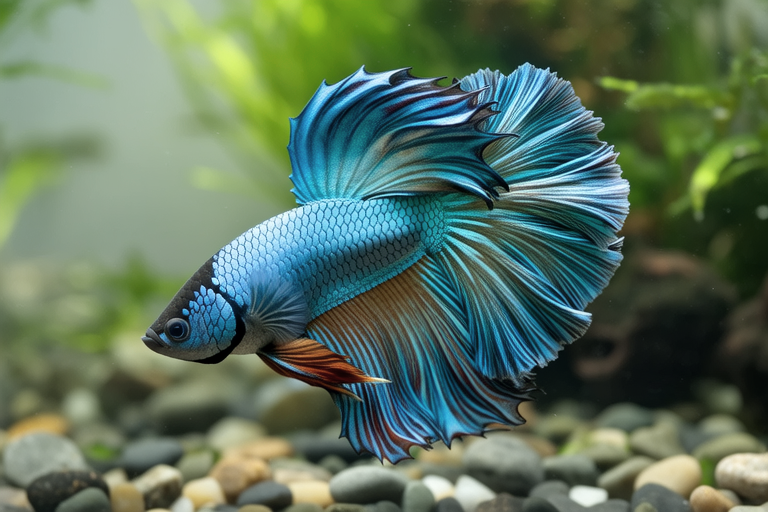
Bet You Didn’t Know These Fascinating Facts About Betta Fish
Welcome to the captivating world of betta fish! Often called Siamese fighting fish, these vibrant aquatic creatures have captured the hearts of many hobbyists with their stunning colors and graceful movements. While most people know that bettas are popular pets, there’s much more to them than meets the eye. In this article, we’ll dive into some lesser-known, fascinating facts about betta fish that will surely pique your interest.
The Natural Habitat of Betta Fish
Contrary to popular belief, betta fish don’t naturally live in tiny cups or bowls. In their native Southeast Asia, they thrive in slow-moving waters such as rice paddies, drainage ditches, and floodplains. These environments are often shallow and contain dense vegetation, which provides both shelter and food. The water quality can be quite variable, sometimes even containing low levels of oxygen. This adaptability has allowed bettas to survive in diverse conditions, making them resilient and hardy pets.
Betta Fish Behavior: More Than Just Aggression
When it comes to betta fish behavior, aggression is often the first thing that comes to mind. However, there’s much more to these curious creatures. Male bettas are indeed known for their aggressive tendencies, especially when it comes to territory and mating. They display vibrant colors and build bubble nests to attract females. But did you know that bettas also exhibit complex social behaviors?
Studies have shown that bettas can recognize individual tank mates and even respond differently to familiar versus unfamiliar stimuli. They can also form bonds with humans, sometimes swimming towards their owner at feeding time. This interaction highlights the intelligence and responsiveness of these fish, challenging the notion that they are merely solitary fighters.
Dietary Preferences: A Balanced Approach
Many betta owners believe that their fish only need to eat betta pellets or flakes. While these foods are convenient, a varied diet is essential for optimal health. In the wild, bettas are omnivores, consuming both plant matter and small insects. Providing a mix of high-quality flake food, pellets, and occasional treats like bloodworms or brine shrimp can help ensure your betta gets all the nutrients it needs.
It’s important to avoid overfeeding, as bettas are prone to obesity and swim bladder issues. Feed your betta twice a day, offering only what they can consume within two minutes. This balanced approach will keep your fish healthy and active.
Care Tips for Happy and Healthy Bettas
Maintaining a proper environment is crucial for keeping your betta fish happy and healthy. While bettas can tolerate less-than-ideal conditions, providing the best possible setup will enhance their well-being. Start by choosing an appropriate tank size; a minimum of five gallons is recommended to allow for adequate swimming space. Equip the tank with a filter to maintain water quality and reduce stress on your fish.
Water temperature should be kept between 76°F and 82°F (24°C to 28°C), mimicking their natural tropical habitat. Regular water changes—about 25% weekly—are necessary to remove waste and maintain cleanliness. Additionally, adding live plants can provide hiding spots and help oxygenate the water, creating a more natural and enriching environment.
Unique Physical Adaptations
Betta fish possess several unique physical adaptations that make them fascinating subjects of study. One of the most notable is their labyrinth organ, a specialized respiratory structure located above their gills. This organ allows bettas to breathe air directly from the surface, giving them an advantage in oxygen-poor waters. This adaptation has been a key factor in their survival and success in various environments.
Another interesting feature is the presence of pelvic fins in male bettas. These fins are longer and more elaborate compared to those of females, playing a role in courtship displays. The intricate patterns and vibrant hues displayed during these interactions highlight the importance of visual communication in betta fish behavior.
Myths and Misconceptions Debunked
There are several myths surrounding betta fish that persist despite scientific evidence. One common misconception is that bettas require little space and can live comfortably in small containers. As mentioned earlier, bettas benefit greatly from larger tanks that offer more swimming room and better water quality. Another myth is that bettas can survive solely on betta pellets or flakes without additional variety in their diet. As previously discussed, a balanced diet is essential for their overall health.
It’s also important to note that while male bettas can be aggressive towards one another, they are not always hostile. Under the right conditions, males can coexist peacefully, especially if introduced to each other at a young age. Females, on the other hand, can usually live together harmoniously in groups known as sororities.
Conclusion
Betta fish are truly remarkable creatures with a wealth of interesting traits and behaviors. From their natural habitats to their dietary preferences and physical adaptations, there’s always something new to learn about these beautiful fish. By understanding and catering to their specific needs, you can provide your betta with a thriving environment that promotes longevity and happiness.
We hope this article has sparked your curiosity and deepened your appreciation for betta fish. Whether you’re a seasoned aquarist or just starting out, there’s always more to discover about these captivating creatures. Feel free to share your own experiences or ask any questions you may have regarding betta fish in the comments below. Who knows? Your insights might inspire others to explore the wonderful world of betta fish too!
