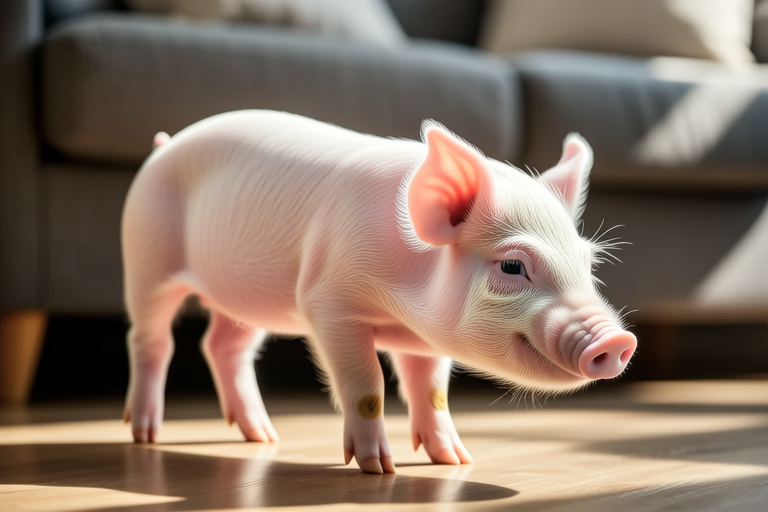
Mini Pigs: Unique Pets with Special Care Requirements
Mini pigs have gained popularity as pets due to their intelligence, friendly personalities, and compact size. However, they come with unique characteristics and care requirements that set them apart from traditional pets like dogs and cats. This article explores the joys and challenges of owning mini pigs, focusing on their intelligence, personality traits, and specific needs. We will also address common misconceptions about pig ownership, proper feeding habits, space requirements, and the importance of mental stimulation and social interaction.
Intelligence and Personality Traits
Mini pigs are incredibly intelligent animals. They can learn tricks, respond to their names, and even use litter boxes. Their curiosity and problem-solving abilities make them engaging companions. Owners often report that their mini pigs display individual personalities, ranging from playful and adventurous to calm and affectionate.
A real-life experience shared by mini pig owner Sarah highlights this intelligence:
“My mini pig, Daisy, is always curious about her surroundings. She loves to explore new areas and investigate objects. One day, I left a toy outside, and she figured out how to open the door to get it. Her intelligence makes her a delightful companion, but it also requires constant mental stimulation.”
Common Misconceptions About Pig Ownership
One common misconception is that all mini pigs remain small throughout their lives. In reality, mini pigs can reach weights between 50 to 150 pounds, depending on the breed. Another myth is that pigs are dirty animals. While pigs may roll in mud to cool off, they are actually quite clean and enjoy bathing and grooming themselves.
Another misconception is that mini pigs require minimal space. In fact, they need ample room to roam and exercise. Proper space allocation is crucial for their physical and mental well-being.
Proper Feeding Habits
Feeding mini pigs properly is essential for maintaining their health. A balanced diet consisting of commercial pig feed, fruits, vegetables, and occasional treats ensures optimal nutrition. Overfeeding can lead to obesity, which can cause health issues such as joint problems and heart disease. Mini pigs should be fed twice daily, and their food intake should be monitored to prevent overeating.
Real-life experience shared by mini pig owner John:
“I initially overfed my mini pig, Max, because I thought he needed more food. After consulting with a veterinarian, I learned that proper portion control was key. Now, I measure his meals and offer him a variety of healthy foods. Max is much healthier and happier.”
Space Requirements
Mini pigs need sufficient space to move around freely. A spacious indoor area with access to an outdoor pen is ideal. The outdoor pen should be large enough for the pig to run, dig, and play. Indoor spaces should include soft bedding, toys, and enrichment items to keep the pig mentally stimulated.
A real-life experience shared by mini pig owner Emily:
“I created a designated space for my mini pig, Luna, inside my house. She has a comfortable bed, chew toys, and puzzle feeders. Outside, she has a spacious pen where she can dig and explore. Providing adequate space has significantly improved her quality of life.”
Mental Stimulation and Social Interaction
Mental stimulation and social interaction are vital for mini pigs’ happiness. Engaging activities such as foraging, puzzle feeders, and training sessions help keep their minds sharp. Regular interaction with humans and other animals provides emotional support and strengthens the bond between the pig and its owner.
A real-life experience shared by mini pig owner Mark:
“I noticed that my mini pig, Charlie, became restless when he didn’t have enough mental stimulation. I started incorporating training sessions and puzzle feeders into his routine. Now, Charlie is more relaxed and enjoys spending time with me.”
Responsibilities Involved in Ensuring a Happy and Healthy Life
Owning a mini pig comes with significant responsibilities. Regular veterinary check-ups, proper nutrition, and mental and physical stimulation are essential for their well-being. Mini pigs require regular grooming, including nail trimming and ear cleaning. Additionally, owners must ensure their pigs receive adequate exercise and socialization.
Real-life experience shared by mini pig owner Lisa:
“Taking care of my mini pig, Bella, has taught me the importance of responsibility. I ensure she gets regular vet visits, proper nutrition, and plenty of mental and physical stimulation. Bella’s health and happiness are my top priorities.”
Conclusion
Mini pigs are unique and intelligent pets that require special care and attention. Their intelligence, friendly personalities, and specific needs set them apart from traditional pets. By understanding their unique characteristics and providing proper care, owners can ensure a happy and healthy life for these remarkable animals. Real-life experiences shared by mini pig owners highlight the joys and challenges of having a mini pig as a companion. Owning a mini pig is a rewarding experience for those willing to take on the responsibility.
