Paws & Primped: The Grooming Journey of Persian Cats
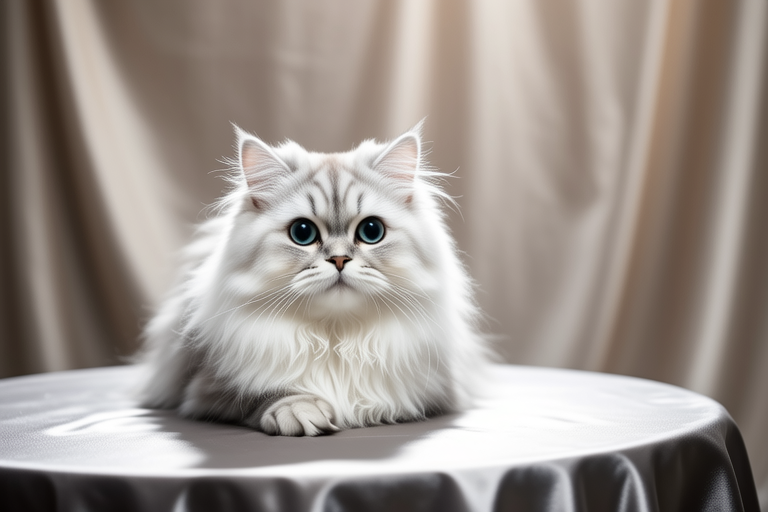
With their striking blue eyes and flowing, luxurious coats, Persian cats have long been adored for their regal appearance. However, this beauty comes with a price: a high-maintenance grooming routine. Persian cats require special care to maintain their pristine appearance and ensure their health. This article delves into the unique grooming needs of Persian cats, offering insights into regular maintenance routines, essential tools, and tips for handling sensitive areas. It also highlights the significance of hygiene in preventing health issues and maintaining overall well-being.
The Luxurious Coat of Persian Cats
Persian cats are known for their dense, long, and silky coats. Their fur is typically divided into two layers: an undercoat and an overcoat. The undercoat provides insulation, while the overcoat adds to their elegant appearance. Due to the thickness and length of their fur, Persians are prone to matting, tangling, and hairballs. Therefore, regular grooming is crucial to keep their coat healthy and free from knots.
Regular Maintenance Routines
To maintain a Persian cat’s luxurious coat, a consistent grooming schedule is essential. Ideally, owners should groom their cats at least three times a week. Grooming sessions should include brushing, bathing, nail trimming, and ear cleaning. These activities not only help in keeping the cat clean but also provide an opportunity for the owner to bond with their pet.
Brushing
Brushing is the cornerstone of Persian cat grooming. Owners should use a slicker brush or a pin brush designed specifically for long-haired cats. Brushing helps remove loose hair, prevents matting, and distributes natural oils throughout the coat. For best results, start brushing from the head and work your way down to the tail. Be gentle around sensitive areas like the belly and armpits.
Bathing
Bathing a Persian cat requires patience and careful handling. Use a mild, cat-specific shampoo and warm water. Avoid getting water into the cat’s ears, eyes, and nose. After washing, rinse thoroughly to remove all traces of shampoo. Towel dry as much as possible before using a blow dryer on a low heat setting. Always supervise the drying process to prevent overheating.
Nail Trimming
Trimming nails is important for both hygiene and safety. Overgrown nails can cause discomfort and may lead to injuries. Use a pair of sharp, small animal nail clippers. Clip only the tip of the nail to avoid cutting the quick, which contains blood vessels and nerves. If you accidentally cut the quick, apply styptic powder to stop the bleeding.
Ear Cleaning
Clean your Persian cat’s ears regularly to prevent infections. Use a cotton ball or soft cloth dipped in a veterinarian-approved ear cleaner. Gently wipe the outer part of the ear, being careful not to insert anything into the ear canal. Never use cotton swabs as they can push debris further into the ear.
Necessary Tools for Effective Grooming
Investing in quality grooming tools will make the process smoother and more enjoyable for both you and your cat. In addition to brushes and nail clippers, consider purchasing a wide-tooth comb for detangling, a flea comb for checking for parasites, and a slicker brush for removing dead hair. A grooming table can be useful for keeping your cat steady during grooming sessions. Finally, having a pair of scissors on hand for trimming can be beneficial, though it should be used with caution.
Tips for Handling Sensitive Areas
Persian cats have sensitive skin and areas that require extra care during grooming. The face, neck, and belly are particularly delicate. When brushing these areas, use gentle strokes and avoid pulling on the fur. Be especially cautious when cleaning around the eyes and ears. If your cat shows signs of discomfort, take a break and try again later.
Common Grooming Challenges
Despite regular grooming, some challenges may arise. Matting, tangles, and hairballs are common issues that can be frustrating for both the cat and the owner. To address these problems, consider using a de-shedding tool to remove excess hair. Regular brushing can help prevent matting and reduce the formation of hairballs. Additionally, feeding a diet rich in fiber can aid in reducing hairballs.
Integrating Grooming as a Bonding Experience
Grooming can be a wonderful opportunity to strengthen the bond between you and your Persian cat. Approach each session with patience and positivity. Speak softly and offer treats as rewards for good behavior. By making grooming a positive experience, your cat will be more cooperative during future sessions.
The Importance of Hygiene for Preventing Health Issues
Maintaining proper hygiene is vital for the overall health of your Persian cat. Regular grooming helps prevent skin infections, reduces the risk of urinary tract infections caused by hairballs, and keeps your cat’s coat healthy. Neglecting grooming can lead to serious health issues, so it is important to establish a consistent routine and stick to it.
Enhancing Appearance and Comfort
Proper grooming not only enhances the appearance of Persian cats but also improves their comfort. A well-groomed cat is less likely to experience discomfort from matted fur or irritated skin. Regular grooming can also help identify potential health issues early, allowing for prompt treatment. By investing time and effort into your Persian cat’s grooming, you are contributing to its happiness and well-being.
Conclusion
The grooming journey of Persian cats is a rewarding endeavor that requires dedication and attention to detail. By understanding their unique grooming needs and following a consistent routine, owners can help their cats look and feel their best. With the right tools and techniques, grooming can become a delightful bonding experience. Remember, the effort put into grooming is an investment in your Persian cat’s health, comfort, and appearance. Embrace the challenge and enjoy the beautiful results.
