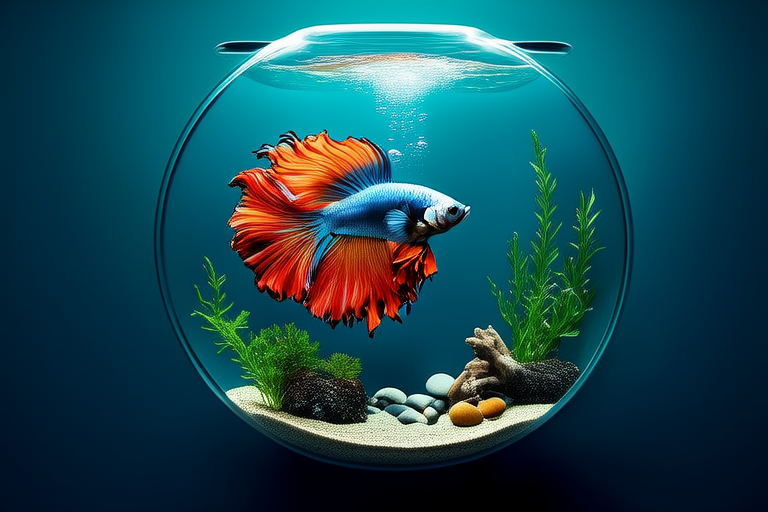
How to Create the Perfect Habitat for Your Betta
Welcome to this comprehensive guide on creating the perfect habitat for your betta. Whether you’re a first-time owner or an experienced aquarist, understanding the needs of your betta will ensure its well-being and longevity. In this guide, we’ll cover essential details about tank size, water parameters, filtration systems, appropriate decorations, and temperature control. We’ll also discuss the importance of maintaining water quality and offer tips for selecting suitable plants and toys.
Understanding the Needs of Your Betta
Betta fish, also known as Siamese fighting fish, are native to the warm, slow-moving waters of Thailand, Cambodia, Vietnam, and Malaysia. They are accustomed to densely vegetated environments with plenty of hiding spots. To thrive, bettas need a balanced diet, clean water, and a stimulating environment that mimics their natural habitat.
Tank Size: The Minimum Standard
Contrary to popular belief, bettas do not thrive in small containers like vases or bowls. The minimum recommended tank size for a single betta is 5 gallons. Larger tanks are preferable, especially if you plan to add live plants or other non-aggressive fish. A bigger tank provides more space for swimming and helps maintain stable water conditions.
Water Parameters: Essential for Health
Maintaining proper water parameters is crucial for your betta’s health. Here are the ideal conditions:
- Temperature: Betta fish prefer water temperatures between 76°F and 82°F (24°C to 28°C).
- pH Level: The pH should be slightly acidic to neutral, ideally between 6.5 and 7.5.
- Ammonia and Nitrite Levels: Both should be undetectable. High levels can be toxic to your betta.
- Nitrate Levels: Aim for nitrate levels below 20 ppm.
- Water Hardness: Soft to moderately hard water is best, with a general hardness (GH) of 5 to 12 dGH.
To achieve these parameters, use a reliable aquarium test kit and adjust the water accordingly. Regular partial water changes (25% weekly) help keep the water fresh and healthy.
Filtration Systems: Keeping the Water Clean
A proper filtration system is vital for maintaining water quality. Choose a filter that is appropriate for your tank size and doesn’t create strong currents, which can stress your betta. Sponge filters are often recommended because they provide gentle filtration while avoiding strong water flow.
Additionally, consider adding live or plastic plants to enhance filtration. Plants absorb nutrients and help break down harmful substances in the water. However, avoid overstocking your tank with plants or decorations, as this can impede water circulation and lead to poor water quality.
Decorations: Creating a Stimulating Environment
Your betta’s tank should include hiding spots, plants, and other decorations to make it feel like home. Here are some suggestions:
- Hiding Spots: Provide caves, driftwood, or flowerpots where your betta can retreat when stressed or tired.
- Plants: Live plants offer oxygen, shelter, and a place for your betta to explore. Popular choices include Java moss, Anubias, and Amazon swords. If you prefer artificial plants, choose those made from silk or plastic to avoid injuring your betta.
- Toys: Consider adding floating toys or ornaments that mimic prey, such as small plastic insects or moving targets. These can stimulate your betta’s natural hunting instincts.
Remember to clean and rearrange decorations periodically to prevent algae buildup and keep your betta engaged.
Temperature Control: Maintaining a Stable Environment
Consistent water temperature is crucial for your betta’s health. Use a reliable heater to maintain the ideal temperature range of 76°F to 82°F (24°C to 28°C). Place the heater in a corner of the tank away from direct current to avoid hotspots. Monitor the temperature regularly with a thermometer and adjust the heater settings as needed.
Keep the tank out of direct sunlight and away from drafts, as these can cause temperature fluctuations. Extreme temperature changes can stress your betta and lead to illness.
Maintaining Water Quality: The Key to Longevity
Regular maintenance is essential for keeping your betta healthy. Here are some tips:
- Weekly Water Changes: Replace 25% of the water each week with dechlorinated, conditioned water. This removes toxins and replenishes beneficial minerals.
- Regular Cleaning: Clean the filter, decorations, and tank glass as needed. Avoid using soap or chemicals, as these can harm your betta.
- Monitoring Water Parameters: Test the water regularly for ammonia, nitrite, nitrate, pH, and temperature. Adjust as necessary to maintain optimal conditions.
- Feeding Schedule: Feed your betta once or twice daily, offering only what it can consume within 2 minutes. Overfeeding can lead to poor water quality and obesity.
By following these maintenance practices, you’ll create a healthy environment that supports your betta’s long-term well-being.
Selecting Suitable Plants: Enhancing Your Tank
Live plants not only beautify your tank but also improve water quality by producing oxygen and absorbing nutrients. When selecting plants, consider the following:
- Low Light Requirements: Betta tanks typically don’t require high-intensity lighting. Choose plants that thrive in low-light conditions, such as Java fern, Anubias, and Cryptocoryne.
- Non-Invasive Species: Avoid plants with aggressive roots or runners that can crowd out other plants or decorations.
- Compatibility: Ensure the plants are compatible with your tank’s water parameters and temperature range.
Artificial plants can also be a great alternative if you prefer a lower-maintenance option. Just make sure they are safe for your betta and won’t cause injury.
Choosing Toys: Stimulating Your Betta
Toys can provide mental stimulation and exercise for your betta. Consider the following options:
- Floating Toys: Small, lightweight toys that float on the surface can encourage your betta to swim and play. Look for toys designed specifically for fish.
- Moving Targets: Rotating or bobbing targets can simulate prey, stimulating your betta’s natural hunting instincts.
- Interactive Play: Spend time interacting with your betta by gently moving toys near the surface. This can strengthen the bond between you and your pet.
Rotate toys periodically to keep your betta interested and engaged.
Final Thoughts
Creating the perfect habitat for your betta requires attention to detail and regular maintenance. By providing the right tank size, water parameters, filtration, decorations, and temperature control, you can ensure your betta lives a long, healthy, and happy life. Remember, the well-being of your betta depends on your commitment to maintaining a clean, stable, and stimulating environment. With this guide, you’re well-equipped to give your betta the best possible home.
