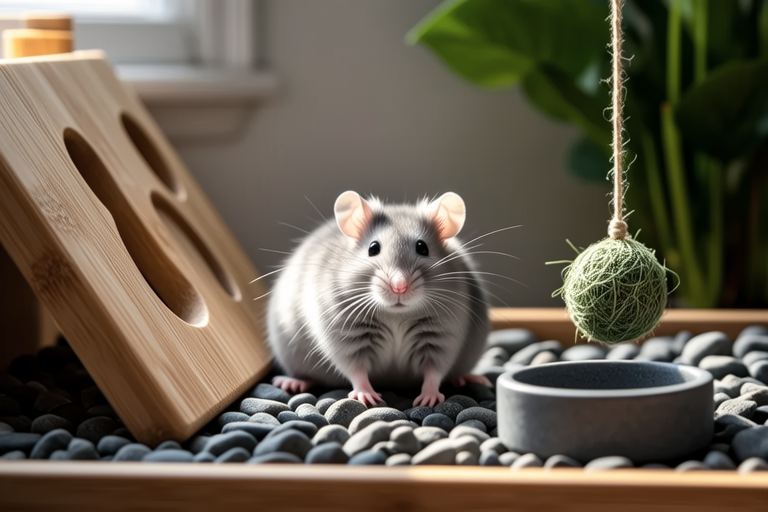
From Cage to Clouds: How to Create an Ideal Environment for Your Chinchilla
Welcome to the world of chinchillas! These adorable, fluffy rodents are native to the Andes Mountains in South America, where they live in rocky, arid environments. As pet owners, it’s our responsibility to provide them with an environment that mimics their natural habitat as closely as possible. This guide will help you create the perfect home for your chinchilla, covering everything from cage setup to health monitoring.
I. Essential Cage Setup
The first step in creating an ideal environment for your chinchilla is setting up the right cage. Chinchillas are active creatures that need plenty of space to move around and play. The cage should be at least 3 feet wide, 2 feet deep, and 2 feet tall, but bigger is always better. Multi-level cages are preferable, as they allow your chinchilla to climb and explore.
Chinchillas are excellent climbers and jumpers, so make sure the cage has sturdy ramps and platforms. Provide your chinchilla with toys that encourage climbing, such as ladders and hanging ropes. The bars of the cage should be spaced no more than 1 inch apart to prevent escape or injury.
Line the bottom of the cage with paper-based bedding, such as recycled paper pulp or shredded newspaper. Avoid wood shavings, as these can irritate your chinchilla’s respiratory system. Provide a nest box for your chinchilla to hide in and feel secure. A cozy, quiet place will help reduce stress and promote healthy behavior.
II. Temperature and Humidity Control
Chinchillas are highly sensitive to heat and humidity. In their native habitat, temperatures range from 45°F to 65°F (7°C to 18°C), and humidity levels are low. It’s crucial to maintain similar conditions in your home to ensure your chinchilla’s comfort and well-being.
Avoid placing the cage in direct sunlight or near heat sources, as this can lead to overheating. If the room temperature exceeds 75°F (24°C), consider using a cooling pad or fan to keep your chinchilla cool. Never use a heat lamp or other heating devices, as these can cause burns.
To control humidity, use a dehumidifier if necessary, especially during humid months. Aim for a relative humidity level of 40% to 60%. High humidity can lead to fungal infections and skin issues. Conversely, extremely dry air can cause respiratory problems.
III. Dietary Needs
Chinchillas have a unique digestive system that requires a specific diet to function properly. Their diet should consist primarily of high-quality hay, which provides essential fiber for digestion. Offer fresh hay daily and ensure it remains available at all times.
In addition to hay, chinchillas should receive a small amount of commercial chinchilla pellets designed specifically for their nutritional needs. Avoid feeding them treats high in sugar or fat, as these can lead to obesity and dental issues. Fresh vegetables, such as carrots or broccoli, can be offered in moderation as occasional treats.
Chinchillas require constant access to clean, fresh water. Use a water bottle with a sipper tube to prevent spills and contamination. Check the bottle regularly to ensure it’s functioning correctly and refill it as needed.
IV. Exercise Opportunities
Chinchillas are naturally active animals that require regular exercise to stay healthy. In addition to providing a spacious cage with multiple levels, offer your chinchilla supervised time outside of its cage each day. Allow your chinchilla to explore a safe, chinchilla-proofed area under close supervision.
Provide exercise wheels designed specifically for chinchillas. Unlike hamsters, chinchillas cannot tolerate fast-spinning wheels, so choose one that allows for a smooth, controlled motion. Monitor your chinchilla while it uses the wheel to ensure safety.
V. Enrichment Activities
To keep your chinchilla mentally stimulated, provide a variety of enrichment activities. Chinchillas enjoy chewing on safe materials like untreated wood blocks or cardboard tubes. They also enjoy digging in a shallow container filled with clean, dust-free sand or chinchilla-safe bedding.
Rotate toys periodically to keep your chinchilla interested and engaged. Puzzle feeders can be a fun way to stimulate your chinchilla’s problem-solving skills while providing food. Hide treats around the cage to encourage exploration and foraging behavior.
VI. Social Interaction Requirements
Chinchillas are generally solitary animals in the wild, but they can form bonds with humans and other chinchillas when kept as pets. While some chinchillas may tolerate the company of another chinchilla, it’s important to introduce them slowly and carefully to avoid aggression.
Spend time interacting with your chinchilla each day. Handle your chinchilla gently and consistently to build trust. Speak softly and move slowly to avoid startling your pet. Offer treats and positive reinforcement during handling sessions to create a positive association.
VII. Grooming Practices
Chinchillas have thick, luxurious fur that requires regular grooming to prevent matting and skin issues. Dust baths are essential for maintaining your chinchilla’s coat. Fill a shallow container with chinchilla dust, available at pet stores, and allow your chinchilla to roll in it for 10 to 15 minutes once or twice a week.
Never bathe your chinchilla with water, as this can strip their fur of natural oils and lead to hypothermia. Instead, use a soft brush to remove loose fur and debris between dust baths. Trim your chinchilla’s nails every few weeks to prevent overgrowth and discomfort.
VIII. Health Monitoring Tips
Regular health checks are vital to ensure your chinchilla stays healthy. Monitor your chinchilla’s weight, appetite, and activity level daily. Look for signs of illness, such as lethargy, loss of appetite, or changes in bathroom habits. Consult a veterinarian if you notice any concerning symptoms.
Chinchillas are prone to dental issues, so check their teeth regularly for signs of overgrowth or malocclusion. Schedule annual veterinary visits for routine check-ups and vaccinations. Keep a list of emergency contacts for your local exotic animal veterinarian in case of an urgent situation.
By following these guidelines, you can create an ideal environment for your chinchilla that promotes health, happiness, and longevity. Remember that chinchillas are unique animals with specific needs, and providing them with a stimulating, enriching environment will help them thrive in your care.
