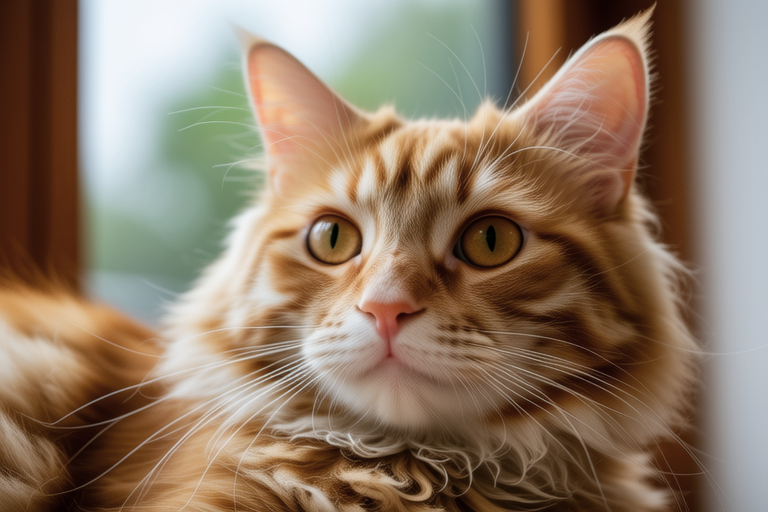
Purr-fect Companions: Discovering the Unique Traits of Orange Cats
Orange cats have long captured the hearts of cat lovers with their striking appearance and distinctive personalities. These feline companions come in various shades, from a warm pumpkin hue to a rich, deep orange, and they possess unique traits that set them apart from other cats. In this article, we will explore the fascinating world of orange cats, delving into their history, characteristics, common breeds, dietary needs, grooming requirements, and health considerations. We’ll also share personal stories and expert opinions to help you understand why these cats make such purr-fect companions.
The History and Popularity of Orange Cats
Orange cats have been adored by humans for centuries. The ancient Egyptians, who revered cats as sacred animals, often depicted them in artwork, and many of these depictions featured orange cats. Their popularity has continued to grow over time, with orange cats becoming one of the most recognizable and beloved cat colors today. A study conducted by the American Association of Feline Practitioners found that orange cats are among the top three most popular cat colors, alongside black and gray.
One reason for their enduring appeal may be their striking appearance. Orange cats have a unique coat color that stands out, making them easily identifiable and memorable. Their vibrant coats can range from a soft, sandy hue to a bold, fiery red, and their green or gold eyes often add to their captivating presence. Many people find the contrast between their bright fur and expressive eyes irresistible.
Distinctive Characteristics and Personalities
Orange cats are known for their playful and affectionate nature. They tend to be more social than some other cat breeds, often seeking out human interaction and enjoying being petted or played with. Their personalities can vary, but many orange cats are known for their curious and adventurous spirits. They love exploring new environments and discovering hidden nooks and crannies in their surroundings.
These cats are also intelligent and can be trained to perform simple tricks or follow commands. Their interactive nature makes them excellent companions for families with children or individuals looking for a more engaged pet. However, it’s important to note that while orange cats are generally friendly, they still require attention and mental stimulation to thrive. Providing toys, puzzles, and regular playtime can help keep them happy and healthy.
Common Breeds of Orange Cats
While any cat can have an orange coat, certain breeds are more commonly associated with this color. Some of the most popular orange cat breeds include:
- Maine Coon: Known for their large size and friendly demeanor, Maine Coons are often orange or reddish in color. They are gentle giants that enjoy the company of their human family members.
- Abyssinian: Abyssinians are sleek, athletic cats with a ticked coat pattern that can include shades of orange. They are highly energetic and intelligent, often engaging in games of fetch or puzzle-solving.
- British Shorthair: British Shorthairs are often orange or cream-colored and have a robust, muscular build. They are known for their calm and laid-back personalities, making them great companions for those seeking a more relaxed feline friend.
- Ragdoll: Ragdolls are famous for their docile and affectionate nature, often going limp when picked up, hence their name. They can come in various colors, including orange, and are known for their loyalty and easygoing temperament.
Dietary Needs and Grooming Requirements
Orange cats, like all cats, have specific dietary needs to maintain their health and vitality. A balanced diet rich in protein, vitamins, and minerals is essential for their well-being. It’s important to consult with a veterinarian to determine the appropriate diet for your orange cat based on factors such as age, weight, and activity level.
Grooming is another crucial aspect of caring for an orange cat. Their coats can range from short and smooth to long and luxurious, depending on the breed. Regular brushing helps to remove loose hair, prevent matting, and distribute natural oils throughout the coat. Additionally, maintaining good dental hygiene is vital for preventing dental diseases, which can affect overall health.
Health Considerations
While orange cats are generally healthy, they are prone to certain health issues that potential owners should be aware of. For example, some orange cats may be at higher risk for hypertrophic cardiomyopathy, a type of heart disease that can affect felines. Regular veterinary check-ups can help detect and manage any potential health problems early on.
Another common concern for orange cats is obesity. As they tend to be more social and food-oriented, it’s important to monitor their calorie intake and ensure they get plenty of exercise. Providing a stimulating environment with toys and scratching posts can help encourage physical activity and mental engagement.
Emotional Bond and Companionship
Orange cats are renowned for forming strong emotional bonds with their human companions. Many cat owners report feeling a deep sense of connection and companionship with their orange cats. Their affectionate nature and playful spirit make them ideal companions for individuals seeking a loyal and loving pet.
Personal stories and expert opinions highlight the unique bond between humans and orange cats. One owner shared, “My orange cat, Pumpkin, has become my best friend. She follows me around the house, curls up next to me on the couch, and always knows when I need a little extra comfort. Her presence brings joy and warmth to my life.” Another expert noted, “Orange cats have a special ability to read their owners’ emotions and respond accordingly, whether it’s through gentle purring or playful antics.”
Tips for Potential Owners
If you’re considering adopting an orange cat, there are several things to keep in mind. First, take the time to research different breeds and their specific needs to find the best match for your lifestyle. Spend time with the cat before adopting to ensure compatibility. Provide a safe and enriching environment filled with toys, scratching posts, and hiding spots. Finally, remember that cats thrive on routine and consistency, so establish a daily schedule that includes feeding times, play sessions, and grooming.
Adopting an orange cat can be a rewarding experience, offering companionship, joy, and endless entertainment. By understanding their unique traits and needs, you can ensure a lifetime of happiness and fulfillment for both you and your new feline friend.
