Parrot Fish Secrets: How These Chatty, Colorful Fish Help Keep Our Oceans Healthy
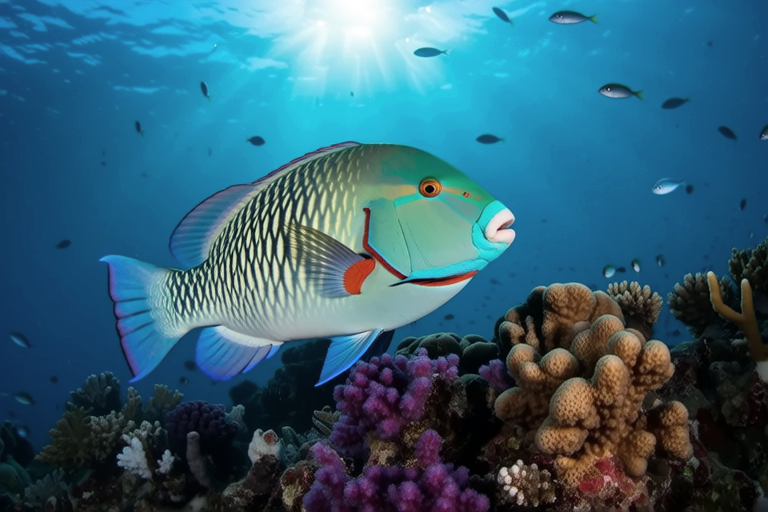
Imagine a fish that looks like it was painted by a tropical artist—flashing electric blues, fiery oranges, and radiant greens. Now imagine it grunting, growling, and making clicking sounds underwater. Welcome to the world of the parrotfish, one of the ocean’s most vibrant and surprisingly vocal residents. With their beak-like mouths, dazzling colors, and surprising ability to turn coral into sand, these fish are not just eye-catching—they’re essential stewards of some of Earth’s most delicate ecosystems: coral reefs.
Far from being mere ornaments of the reef, parrotfish play a critical role in maintaining ocean health. From preventing algae from smothering coral to producing vast quantities of sand through digestion, their contributions are both remarkable and vital. Yet, despite their importance, many people know little about them—let alone how they help keep our oceans thriving. This article dives deep into the fascinating world of parrotfish, revealing their secrets, their superpowers, and why protecting them is more urgent than ever.
The Beak That Builds Beaches
One of the most striking features of the parrotfish is its mouth—a hard, beak-like structure formed from fused teeth. Unlike most fish, which have rows of small, replaceable teeth, parrotfish have evolved a powerful, single-piece jaw that resembles a parrot’s beak. This unique adaptation allows them to bite directly into live coral with astonishing force.
But here’s the twist: they don’t eat coral for its nutrients. Instead, they scrape off the thin layer of algae growing on the coral surface. In doing so, they inadvertently consume tiny fragments of the coral skeleton itself. What happens next is truly magical. As the parrotfish digest this coral material, their internal systems break down the calcium carbonate—essentially turning rock into fine powder. The waste is then excreted as sand.
Amazing fact: A single large parrotfish can produce up to 800 pounds (360 kilograms) of sand per year. That’s enough to fill an entire swimming pool! Over time, this process contributes significantly to the formation of tropical beaches and reef flats.
This sand production isn’t just a curiosity—it’s foundational to coastal ecology. Without parrotfish, many island shorelines would erode faster, and reef structures might lose their stability. In places like the Caribbean and the Great Barrier Reef, parrotfish are responsible for generating much of the sand that forms the foundation of islands and atolls.
Algae Control: Guardians of the Reef
Coral reefs are complex ecosystems where balance is everything. One of the biggest threats to their survival is algal overgrowth. When too much algae spreads across a reef, it blocks sunlight from reaching the coral polyps, inhibits their growth, and can even suffocate them. This imbalance often results from human activities—such as nutrient runoff from agriculture or sewage—that fuel algal blooms.
Enter the parrotfish: nature’s living lawnmower. By constantly grazing on algae, they prevent it from taking over. Their feeding behavior keeps coral surfaces clean and healthy, giving corals the space and light they need to thrive. Studies show that reefs with abundant parrotfish populations are far more resilient to environmental stressors like warming waters and storms.
In fact, research conducted by marine biologists at the University of Miami has demonstrated that removing parrotfish from a reef leads to rapid algal dominance—sometimes within just a few months. Reintroducing them, however, can reverse the trend, restoring coral health and biodiversity.
Voices Beneath the Waves: Communication and Social Life
Parrotfish aren’t just loud; they’re communicative. Underwater, you’ll hear a chorus of grunts, clicks, and even snoring-like sounds—especially at night. These vocalizations serve several purposes. Scientists believe they use sound to establish territory, warn off rivals, coordinate group movements, and even signal danger.
One particularly intriguing behavior occurs during sleep. Parrotfish secrete a mucus cocoon around their bodies before resting. This protective covering acts as a shield against predators and parasites, but it also traps scent molecules—making it harder for nocturnal hunters to detect them. The grunting sounds they make while inside the cocoon may serve as a kind of alarm system, alerting nearby fish if something goes wrong.
Many parrotfish species are also social creatures. They often form schools, especially when young, and exhibit complex hierarchies based on size and dominance. Some species display sequential hermaphroditism—meaning individuals begin life as females and later transform into males as they grow larger and stronger. This reproductive strategy helps maintain population balance and ensures that dominant males can mate with multiple females.
Reproduction and the Cycle of Life
Parrotfish reproduce through external fertilization. During spawning season, males and females gather in groups near reef crests or drop-offs. The male will often display bright breeding colors to attract mates. Once paired, they release eggs and sperm into the water column, where fertilization takes place. The resulting larvae drift with ocean currents for weeks before settling onto a reef and beginning their life as juveniles.
Interestingly, some parrotfish species spawn only once per year, typically during specific lunar phases. This timing aligns with favorable ocean conditions—like increased tides and reduced predation pressure—which boost the chances of larval survival. Protecting these spawning grounds is crucial for sustaining future generations.
Threats to the Parrotfish: Why We Must Act Now
Despite their ecological importance, parrotfish face mounting threats. Overfishing is perhaps the greatest danger. In many parts of the world, parrotfish are prized as food—particularly in regions like the Caribbean, Southeast Asia, and parts of Africa. Their popularity stems from their firm, white flesh, but the consequences are severe. Removing large numbers of parrotfish disrupts the natural balance of the reef.
Habitat destruction compounds the problem. Coral reefs are under siege from climate change, pollution, destructive fishing practices (like dynamite or cyanide fishing), and coastal development. As reefs degrade, so do the homes and food sources of parrotfish. Without healthy reefs, they cannot survive—or fulfill their vital roles.
Climate change adds another layer of risk. Rising sea temperatures cause coral bleaching, weakening reef structures and reducing the availability of algae—the very food parrotfish depend on. Warmer waters also increase the metabolic demands on fish, forcing them to eat more just to survive. But with less food available, this creates a dangerous feedback loop.
Recent studies indicate that reefs with low parrotfish populations are up to 30% more likely to experience irreversible algal takeover after a disturbance like a hurricane or bleaching event.
Conservation Efforts: Turning the Tide
Thankfully, awareness of the parrotfish’s importance is growing—and so are conservation efforts. Several countries and organizations have implemented protective measures:
- Protected Areas: Marine protected areas (MPAs) now include parrotfish in their management plans. In places like Bonaire and the Bahamas, no-take zones have led to significant increases in parrotfish numbers and reef recovery.
- Fishing Regulations: Some nations have banned or restricted the commercial fishing of parrotfish. For example, Hawaii enacted legislation in 2010 prohibiting the harvest of parrotfish, recognizing their role in reef resilience.
- Public Education: Campaigns highlight the ecological value of parrotfish, encouraging local communities and tourists alike to support sustainable practices.
- Restoration Projects: Scientists are exploring ways to reintroduce parrotfish into degraded reefs and monitor their impact using underwater cameras and tagging technologies.
These efforts are showing promise. Reefs in protected zones with healthy parrotfish populations have demonstrated faster recovery rates after disturbances, proving that even small policy changes can have big impacts.
A Call to Action: Be an Ocean Steward
Every person has a role to play in protecting parrotfish and the reefs they sustain. You don’t need to be a marine biologist to make a difference. Here’s how you can help:
- Choose Sustainable Seafood: When dining out or shopping, ask whether the fish on your plate is sustainably sourced. Avoid parrotfish if you’re unsure—many restaurants now label their seafood responsibly.
- Support Conservation Organizations: Donate to or volunteer with groups working to protect coral reefs and promote sustainable fisheries.
- Reduce Your Carbon Footprint: Climate change is a major threat to reefs. Simple actions—like driving less, using renewable energy, and minimizing plastic use—help reduce greenhouse gas emissions.
- Spread Awareness: Share what you’ve learned about parrotfish with friends, family, and on social media. Knowledge is power—and passion inspires action.
The parrotfish may not be the most famous ocean creature, but it deserves to be. Its beak-shaped mouth, chatty personality, and silent yet monumental work in shaping beaches and saving reefs make it one of the ocean’s unsung heroes. Every grunt, every graze, every grain of sand it produces is part of a grander story—one of balance, resilience, and interconnectedness.
So next time you walk along a tropical beach, pause and think: beneath your feet lies a legacy shaped by millions of tiny fish, grinding coral into sand, whispering warnings in the dark, and keeping the reef alive. Their secret is out. And now, it’s up to us to protect it.
