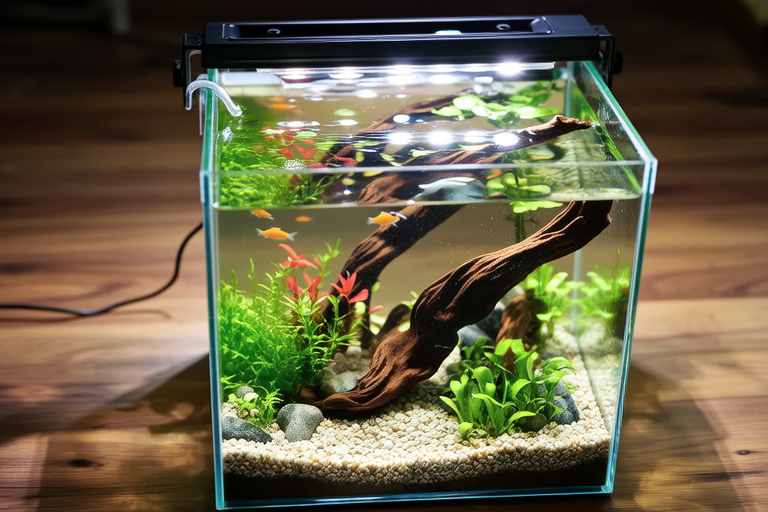
Creating an Aquascape Paradise for Your Goldfish
Welcome to your ultimate guide on creating an aquascape paradise for your goldfish! Whether you’re a beginner or an advanced aquascaper, this comprehensive guide will walk you through every step of setting up a visually appealing and healthy environment for your aquatic friends. We’ll cover everything from selecting the right aquarium and equipment to maintaining water quality and ensuring optimal living conditions for your goldfish.
Step 1: Setting Up the Aquarium
The first step in creating an aquascape paradise for your goldfish is choosing the right aquarium. Goldfish are active swimmers, so they require ample space. A tank that holds at least 20 gallons of water is recommended for a single goldfish, with additional gallons for each additional fish. Larger tanks provide more stability in water parameters and allow for better swimming room.
When selecting your aquarium, consider the following:
- Shape: Opt for a rectangular tank as it offers more surface area for oxygen exchange and provides better visibility.
- Material: Glass or acrylic tanks are both suitable options. Acrylic tanks are lighter and less prone to shattering but can scratch more easily.
- Lid: Ensure your tank has a secure lid to prevent your goldfish from jumping out.
Once you’ve chosen your aquarium, set it up in a stable location away from direct sunlight and drafts. This helps prevent excessive algae growth and temperature fluctuations. Next, fill the tank with dechlorinated water and install any necessary filtration systems. Goldfish produce a significant amount of waste, so a good filter is essential for maintaining clean water. Consider a combination of mechanical, biological, and chemical filtration for optimal results.
Step 2: Selecting Appropriate Plants and Decorations
Selecting the right plants and decorations is crucial for creating a visually appealing and functional aquascape. Plants not only enhance the aesthetic appeal of your aquarium but also provide hiding spots and contribute to the biological filtration process by absorbing nutrients from the water.
Here are some popular plant choices for goldfish tanks:
- Anacharis (Egeria densa): An easy-to-grow submerged plant that provides excellent hiding spots for goldfish.
- Ceratophyllum (Hornwort): A fast-growing plant that floats freely in the water, offering shade and shelter.
- Java Fern (Microsorum pteropus): A hardy plant that attaches to rocks or driftwood without needing soil.
In addition to plants, consider adding decorations such as rocks, driftwood, and ceramic structures. These elements create a natural habitat and add visual interest to your aquascape. When choosing decorations, ensure they are non-toxic and free of sharp edges that could harm your goldfish.
For beginners, it’s advisable to start with simple arrangements and gradually introduce more complex elements as you gain experience. Advanced aquascapers may want to experiment with different layouts and techniques, such as Iwagumi (rock-based) or Dutch-style aquascapes. Regardless of your skill level, always prioritize the comfort and safety of your goldfish when designing your aquascape.
Step 3: Maintaining Water Quality
Maintaining optimal water quality is vital for the health and longevity of your goldfish. Poor water conditions can lead to stress, disease, and even death. Here are some key factors to monitor and maintain:
- Water Temperature: Goldfish thrive in temperatures between 68°F and 74°F (20°C to 23°C). Use a heater or chiller to maintain consistent temperatures, especially during seasonal changes.
- pH Levels: Goldfish prefer slightly alkaline water with a pH range of 7.0 to 8.0. Regularly test your water and adjust as needed using pH buffers or additives.
- Ammonia, Nitrite, and Nitrate Levels: These chemicals are harmful to goldfish in high concentrations. A properly functioning filtration system and regular water changes help keep these levels in check. Perform weekly partial water changes, replacing about 10-20% of the tank’s volume.
- Oxygenation: Ensure your tank is well-oxygenated by providing sufficient surface agitation through filters or air stones. Goldfish are hearty swimmers and require plenty of oxygen to thrive.
Regular monitoring and maintenance of water quality are essential for keeping your goldfish healthy. By investing in reliable testing kits and staying vigilant about water parameters, you can create a thriving environment for your aquatic companions.
Step 4: Ensuring Optimal Living Conditions
To ensure optimal living conditions for your goldfish, consider the following tips:
- Feeding: Feed your goldfish a balanced diet consisting of high-quality pellets, flakes, and occasional treats like frozen brine shrimp or bloodworms. Avoid overfeeding, as excess food can pollute the water.
- Lighting: Provide 8-12 hours of light per day using aquarium-specific LED lights. Excessive lighting can promote algae growth, while insufficient lighting may hinder plant growth.
- Water Changes: Perform regular water changes to remove accumulated waste and replenish essential minerals. Aim for weekly partial water changes, replacing 10-20% of the tank’s volume.
- Monitoring Behavior: Keep an eye on your goldfish’s behavior for signs of distress or illness. Early detection allows for prompt intervention and treatment.
By implementing these practices, you’ll create a harmonious environment where your goldfish can flourish. Remember that a well-planned aquascape not only enhances the beauty of your home but also promotes the overall well-being of your aquatic pets.
Tips for Beginners and Advanced Aquascapers
Regardless of your experience level, there are several tips to keep in mind when creating an aquascape paradise for your goldfish:
- Start Small: If you’re new to aquascaping, begin with a smaller tank and simpler design. As you gain confidence and skills, you can expand your setup.
- Research Thoroughly: Take time to learn about the specific needs of goldfish and the various elements involved in aquascaping. Knowledge is power when it comes to creating a successful aquascape.
- Be Patient: Building a beautiful and functional aquascape takes time. Allow yourself the patience to experiment and refine your approach.
- Join Communities: Connect with fellow aquascapers through forums, social media groups, and local clubs. Sharing experiences and advice can greatly enhance your skills and enjoyment.
Whether you’re just starting out or looking to take your aquascaping to the next level, these tips will help you create a thriving environment for your goldfish. With dedication and creativity, you’ll be able to craft an aquascape that not only delights you but also ensures the health and happiness of your aquatic friends.
The Benefits of a Well-Planned Aquascape
A well-planned aquascape offers numerous benefits for both you and your goldfish. Not only does it provide a visually appealing focal point for your home, but it also contributes to the overall well-being of your aquatic pets. A thoughtfully designed aquascape:
- Promotes Healthy Growth: Properly arranged plants and decorations offer hiding spots and reduce stress, allowing your goldfish to thrive.
- Enhances Water Quality: Live plants and efficient filtration systems work together to maintain clean, oxygen-rich water.
- Increases Longevity: A stress-free environment leads to healthier, longer-lived goldfish.
- Fosters Engagement: Watching your goldfish explore their carefully crafted habitat brings joy and relaxation.
By investing time and effort into creating an aquascape paradise for your goldfish, you’re not only enhancing the aesthetics of your home but also contributing to the health and happiness of your aquatic companions. A well-maintained aquascape provides countless benefits for both you and your goldfish, making it a worthwhile endeavor for any aquarist.
