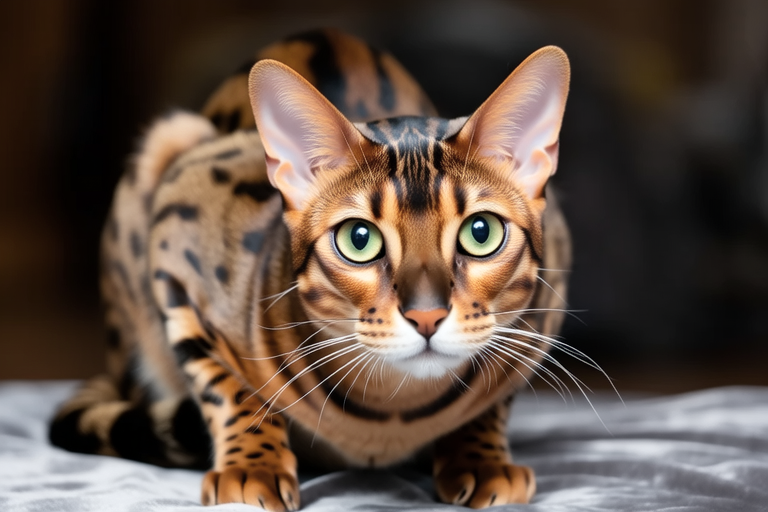
Bengal Cat Coat Patterns: A Journey Through Genetics and Beauty
The Bengal cat, a hybrid breed known for its striking resemblance to its wild ancestors, boasts a coat that is as fascinating as it is beautiful. The coat patterns of Bengal cats, characterized by their distinct spots and stripes, play a significant role in defining the breed’s unique appearance. This article delves into the genetic origins of these patterns, their development from kittenhood to adulthood, and their role in distinguishing different Bengal cat types. We’ll also explore popular opinions and scientific studies about the aesthetics and care related to these unique coats, providing valuable tips for owners on maintaining the beauty and health of their Bengal cat’s coat.
Genetic Origins of Bengal Cat Coat Patterns
The distinctive coat patterns of Bengal cats can be traced back to their genetic heritage. These cats are the result of crossing domestic cats with Asian leopard cats, a small wild feline species native to Southeast Asia. The Asian leopard cat contributes the spotted or marbled patterns, which are then blended with the domestic cat’s traits to create the Bengal breed.
The gene responsible for these patterns is called spotted pattern. It is inherited in an autosomal dominant manner, meaning that if a cat inherits one copy of the gene from either parent, it will exhibit the spotted pattern. The intensity and distribution of the spots or stripes can vary depending on the combination of genes inherited from both parents.
Spot and Stripe Patterns
Bengal cats display two primary coat patterns: spotted and marbled. Spotted patterns consist of round or elliptical spots distributed randomly across the body, while marbled patterns feature elongated swirls or stripes that flow gracefully over the cat’s body. Both patterns contribute to the Bengal cat’s wild appearance, making them look like miniature leopards or clouded leopards.
The spotted pattern is more common among Bengal cats, with some individuals displaying rosettes instead of simple spots. Rosettes are formed when a darker ring surrounds a lighter spot, creating a unique and visually striking effect. Marbled patterns, on the other hand, are less common but equally captivating. They often resemble the markings found on clouded leopards, adding to the Bengal cat’s exotic allure.
Development of Coat Patterns from Kittenhood to Adulthood
The development of Bengal cat coat patterns is a gradual process that begins at birth and continues through adulthood. Newborn Bengal kittens are born with plain, solid-colored fur, usually a shade of brown or gray. As they grow older, their spots and stripes start to emerge, becoming more defined and pronounced over time.
During the first few weeks of life, Bengal kittens’ coats may appear mottled or speckled, with faint hints of their future patterns. By the age of eight to ten weeks, most kittens have developed recognizable spots or stripes. However, the full extent of their coat patterns may not become apparent until they reach adulthood, around two years of age. At this stage, the patterns are fully developed and showcase the Bengal cat’s unique beauty.
Distinguishing Different Bengal Cat Types
The coat patterns of Bengal cats play a crucial role in distinguishing different types within the breed. The International Cat Association (TICA) recognizes three distinct categories of Bengal cats: Early Generation (EG), Traditional, and SBT (Stud Book Tradition). Each category has specific requirements regarding the percentage of Asian leopard cat ancestry and the type of coat pattern allowed.
Early Generation (EG) Bengal cats are those that have been bred for fewer generations, retaining a higher percentage of Asian leopard cat DNA. These cats often exhibit more pronounced wild characteristics, including larger spots or rosettes and a thicker, more muscular build. Traditional Bengal cats, on the other hand, have been bred for several generations, resulting in a more domesticated appearance while still maintaining the distinctive coat patterns.
SBT Bengal cats are the most commonly recognized type within the breed, having been bred for at least four generations with no more than 12.5% Asian leopard cat ancestry. These cats typically display well-defined spots or stripes and a sleek, athletic physique, making them ideal companions for those seeking a domesticated cat with a touch of wildness.
Aesthetics and Care
The aesthetics of Bengal cat coat patterns have long been admired by cat enthusiasts and potential owners alike. Many people are drawn to the breed’s exotic appearance, finding it both captivating and intriguing. Scientific studies have also highlighted the importance of coat patterns in determining the overall attractiveness of a Bengal cat.
One study published in the journal Cat World examined the preferences of cat owners and breeders regarding Bengal cat coat patterns. The results indicated that spotted patterns were generally considered more attractive than marbled patterns, with rosetted spots being the most desirable. However, individual preferences can vary, and some people may prefer marbled patterns for their unique and flowing design.
When it comes to caring for a Bengal cat’s coat, regular grooming is essential to maintain its beauty and health. Bengal cats have short, dense fur that requires minimal maintenance, but they still benefit from weekly brushing to remove loose hairs and distribute natural oils throughout the coat. Owners should also pay attention to their cat’s skin health, ensuring that any signs of irritation or discomfort are addressed promptly.
Tips for Maintaining the Beauty and Health of Your Bengal Cat’s Coat
To ensure your Bengal cat’s coat remains healthy and beautiful, consider the following tips:
- Regular Grooming: Brush your Bengal cat’s coat once or twice a week to remove loose hairs and distribute natural oils. Use a soft-bristled brush or a grooming glove to avoid irritating the skin.
- Bathing: While Bengal cats are generally clean and self-grooming, occasional baths may be necessary to keep their coats looking their best. Use a mild, cat-safe shampoo and rinse thoroughly to prevent residue buildup.
- Nutrition: Provide your Bengal cat with a balanced diet rich in essential nutrients, including omega-3 and omega-6 fatty acids, to support healthy skin and coat. Consult your veterinarian for recommendations on high-quality cat food brands.
- Environmental Enrichment: Bengal cats are active and curious animals that thrive in stimulating environments. Provide opportunities for exercise and play to help maintain their physical health and mental well-being.
- Veterinary Care: Regular veterinary check-ups are essential for monitoring your Bengal cat’s overall health and addressing any potential issues early. Discuss any concerns about your cat’s coat or skin with your veterinarian for personalized advice.
Conclusion
The coat patterns of Bengal cats are a testament to their genetic heritage and wild appearance. From their distinctive spots and stripes to their rosetted and marbled designs, these patterns play a significant role in defining the breed’s unique character. Understanding the genetic origins of these patterns, their development from kittenhood to adulthood, and their role in distinguishing different Bengal cat types can enhance your appreciation for these magnificent creatures. By following proper care guidelines and providing environmental enrichment, you can help maintain the beauty and health of your Bengal cat’s coat, ensuring a lifetime of joy and companionship.
