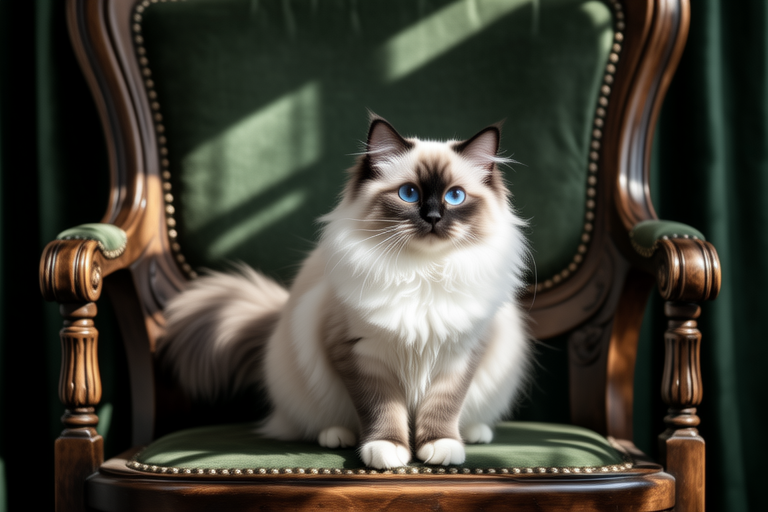
Turkish Angora Cats: Myth, Mystery, and Meow!
Welcome to the enchanting world of Turkish Angora cats! These elegant felines have been captivating hearts for centuries with their striking appearance, gentle demeanor, and rich history. From ancient legends to modern-day companionship, the Turkish Angora has woven itself into the fabric of Turkish culture and beyond. Join us as we unravel the myth, mystery, and meow behind these extraordinary creatures.
The Origins of Turkish Angoras
The Turkish Angora originates from the Ankara region in central Anatolia, Turkey. The breed’s history stretches back thousands of years, with evidence suggesting they were revered by the ancient Egyptians. Their name reflects both their place of origin and their long, silky coat. The Ankara Zoo, established in 1951, played a crucial role in preserving the breed, with its breeding program helping to maintain the purity of the Turkish Angora.
Historically, Turkish Angoras were often gifted as diplomatic tokens, symbolizing peace and goodwill between nations. In the 17th century, they were introduced to Europe through diplomatic gifts, where they quickly became sought after by European royalty and aristocracy.
Folklore and Legends
In Turkish folklore, the Turkish Angora is often associated with magical properties and is believed to possess the ability to bring good fortune. One popular legend tells of a Turkish Angora who saved a village from a marauding band of thieves by leading them into a trap. Another tale speaks of a Turkish Angora that could speak and advise its owner on matters of love and life.
These stories highlight the special place the Turkish Angora holds in Turkish culture. While these tales may be fanciful, they reflect the deep affection and respect Turks have for this breed.
Physical Traits
At first glance, it’s easy to see why Turkish Angoras are considered one of the most beautiful cat breeds. They are medium-sized cats with a slender yet muscular build, making them appear graceful and athletic. Their most distinctive feature is their luxurious, silky coat, which comes in a wide array of colors, including white, black, blue, red, and cream. The coat is typically semi-longhaired, with a soft, fine texture.
Another hallmark of the Turkish Angora is their large, expressive eyes, which can be green, blue, or amber, depending on the color of their coat. Their ears are large and tufted, adding to their exotic appearance. Their tail is long and plumed, often held high like a flag, completing their regal look.
Temperament and Personality
Turkish Angoras are known for their playful and affectionate nature. They are highly intelligent and curious, always ready to explore new environments and investigate novel objects. Despite their independent streak, they thrive on human interaction and enjoy spending time with their owners. Their vocalizations are varied and melodious, ranging from soft purrs to chirps and trills.
These cats are excellent climbers and jumpers, often reaching great heights to survey their territory. Their agility and athleticism make them perfect companions for those looking for an active, interactive pet.
Care Requirements
While Turkish Angoras are generally healthy and robust, they do require regular grooming to maintain their luxurious coats. Brushing them at least twice a week will help remove loose hair and prevent matting. Bathing is usually unnecessary unless the cat gets particularly dirty.
Feeding them a balanced diet is essential to keep them healthy and energetic. High-quality cat food that meets their nutritional needs should be provided. Regular veterinary check-ups are also important to ensure their well-being.
Myths and Misconceptions
Despite their popularity, there are several myths surrounding the Turkish Angora that need to be addressed:
- Myth: All Turkish Angoras are white. While white is the most common color, Turkish Angoras come in a variety of colors and patterns. The Ankara Zoo breeding program focused on maintaining white cats, but the breed standard allows for other colors as well.
- Myth: Turkish Angoras are hypoallergenic. There is no such thing as a truly hypoallergenic cat. However, some people with allergies may find they react less to Turkish Angoras due to their shorter undercoat. It’s important to note that individual reactions can vary.
- Myth: Turkish Angoras are aloof and distant. Contrary to this belief, Turkish Angoras are social and affectionate. They enjoy being around their owners and may even follow them from room to room.
Conclusion
Turkish Angora cats are more than just beautiful; they are part of a rich cultural heritage and have played significant roles throughout history. Their striking appearance, playful personalities, and affectionate nature make them beloved companions. Whether you’re a seasoned cat lover or new to the world of felines, the Turkish Angora is sure to capture your heart.
So, the next time you hear the soft purr or melodic meow of a Turkish Angora, take a moment to appreciate the history, folklore, and charm that accompanies each and every one of these magnificent creatures. They are not just pets; they are living pieces of art and history.
