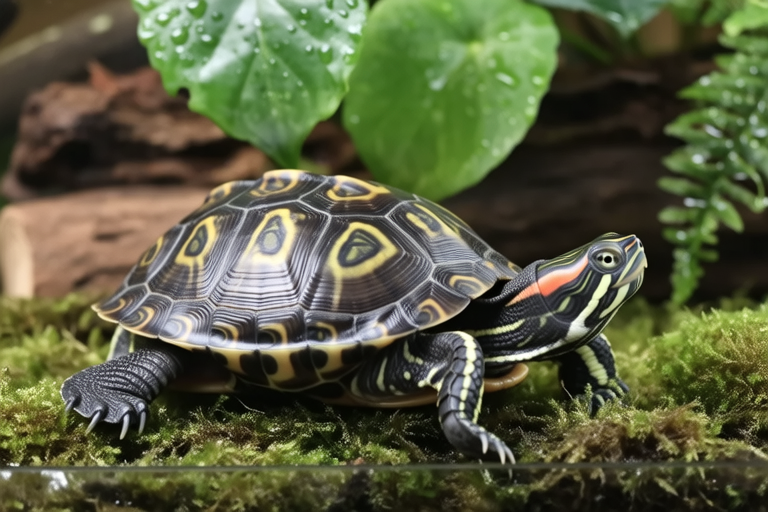
Top Tips for Feeding and Keeping Your Three-Striped Box Turtle Healthy
The three-striped box turtle (cuora trifasciata) is a captivating reptile that makes a wonderful pet for those who appreciate the unique challenges and rewards of turtle ownership. Native to parts of Asia, these turtles have distinct yellow stripes on their heads and shells, which give them their name. Caring for a three-striped box turtle involves understanding its specific dietary needs, creating an appropriate habitat, and maintaining optimal environmental conditions to ensure its health and longevity. This article provides essential tips on feeding, housing, and caring for your three-striped box turtle.
Dietary Requirements
A balanced diet is crucial for the health of your three-striped box turtle. These omnivorous creatures require a mix of proteins, vegetables, and fruits. In the wild, they consume a variety of insects, plants, and small animals. As pets, their diet should mimic this diversity to provide all necessary nutrients. Here’s how you can balance their diet:
- Insects: Crickets, mealworms, and dubia roaches are excellent sources of protein. Feed them live or lightly cooked insects to ensure they are fresh and nutritious.
- Vegetables: Leafy greens such as romaine lettuce, dandelion greens, and collard greens are ideal. Also, include occasional servings of carrots, squash, and bell peppers for added vitamins and minerals.
- Fruits: Offer small portions of fruits like berries, melons, and apples. However, avoid feeding too much fruit as it can cause digestive issues due to high sugar content.
It’s important to gut-load feeder insects with nutritious food before offering them to your turtle. This ensures that the insects are rich in vitamins and minerals, contributing to your turtle’s overall health.
Recommended Feeding Schedules
Feeding schedules vary based on age and activity level. Younger turtles (under 4 years old) should be fed daily, while adults can be fed every other day. Here are some general guidelines:
- Young Turtles: Feed them daily, providing a mix of insects, vegetables, and fruits. Ensure the portion size is appropriate for their body size to prevent overfeeding.
- Adult Turtles: Feed them every other day, focusing more on vegetables and fruits rather than insects. Adult turtles need less protein but still benefit from the occasional insect treat.
Always remove uneaten food after each feeding to maintain cleanliness and prevent bacterial growth in the enclosure.
Suitable Habitats
Creating a suitable habitat is vital for the well-being of your three-striped box turtle. The enclosure should provide ample space for movement, hiding spots, and basking areas. Consider the following when setting up their living environment:
- Size: A minimum enclosure size of 4 feet by 2 feet is recommended for one adult turtle. Larger enclosures are better if you plan to keep multiple turtles together.
- Substrate: Use a substrate that allows for burrowing and retains moisture. Coconut fiber, reptile-safe bark, or a mixture of sand and soil works well. Avoid substrates that could be ingested and cause impaction.
- Hiding Spots: Provide logs, rocks, or commercial turtle hides to allow your turtle to retreat when feeling stressed or needing privacy.
- Basking Area: Create a warm, dry area where your turtle can bask under a UVB light. This helps regulate their body temperature and promotes calcium absorption.
Temperature and Humidity Needs
Maintaining proper temperature and humidity levels is critical for the health of your three-striped box turtle. These reptiles thrive in environments that closely resemble their natural habitat. Here’s what you need to know:
- Daytime Temperature: The basking area should reach around 90°F (32°C), while the cooler side of the enclosure should be between 75°F to 80°F (24°C to 27°C).
- Nighttime Temperature: Allow the temperature to drop slightly at night, ideally between 70°F to 75°F (21°C to 24°C).
- Humidity: Maintain humidity levels between 60% and 80%. Too little humidity can lead to dehydration, while excessive humidity can promote fungal growth.
Use thermometers and hygrometers to monitor these conditions accurately. Adjust heating elements and misting systems as needed to maintain optimal conditions.
UVB Lighting and Basking Areas
UVB lighting is essential for your three-striped box turtle’s overall health. It helps them synthesize vitamin D3, which is crucial for calcium absorption and bone development. Here’s how to set up an effective UVB system:
- Lighting: Install a full-spectrum UVB lamp over the basking area. Replace the bulb every 6 to 12 months, even if it still appears functional, to ensure consistent output.
- Basking Spot: Position the UVB lamp so that the turtle can bask within 12 inches of the light source. Ensure the basking spot reaches the recommended temperature.
- Duration: Leave the UVB light on for 10 to 12 hours per day to simulate natural daylight cycles.
UVB lighting should always be paired with a heat lamp to provide both warmth and light. This combination mimics the sun’s rays and supports the turtle’s natural behaviors and physiological processes.
Common Health Issues and Preventive Care Tips
Despite proper care, three-striped box turtles may encounter health issues. Early detection and treatment are key to ensuring their well-being. Here are some common problems and ways to prevent them:
- Mouth Rot: Characterized by swelling, redness, and pus around the mouth. Clean the enclosure regularly and avoid overcrowding to reduce stress. If symptoms persist, consult a veterinarian specializing in reptiles.
- Metabolic Bone Disease (MBD): Caused by insufficient calcium or vitamin D3. Ensure proper UVB exposure and a balanced diet rich in calcium. Supplemental calcium powder can be sprinkled on food if necessary.
- Respiratory Infections: Symptoms include labored breathing, nasal discharge, and lethargy. Keep the enclosure clean and free of drafts. If signs appear, seek veterinary assistance promptly.
To prevent these issues, maintain a clean and hygienic environment, offer a varied diet, and monitor your turtle’s behavior and physical condition regularly.
Conclusion
Caring for a three-striped box turtle requires dedication and attention to detail. By providing a balanced diet, appropriate habitat, and proper environmental conditions, you can ensure your turtle lives a long and healthy life. Remember to consult with reptile veterinarians for personalized advice and regular check-ups. With the right care, your three-striped box turtle will thrive and bring joy to your home for many years to come.
