Guinea Pig Care Tips Straight from Expert Owners
Welcome to our comprehensive guide on guinea pig care! Whether you’re a seasoned owner or just bringing your first guinea pig home, understanding their needs is crucial for ensuring they live long, healthy, and happy lives. This article compiles expert advice and practical tips on diet, housing, exercise, grooming, health monitoring, and common behaviors. Let’s dive in and explore how to create the best environment for your furry friend.
Diet: The Foundation of Health
Proper nutrition is vital for the overall health of your guinea pig. A balanced diet consists of hay, fresh vegetables, pellets, and vitamin C supplements. Timothy hay should be the primary component of their diet, as it aids digestion and wears down teeth, which grow continuously. Alfalfa hay can be given sparingly, especially to younger guinea pigs, due to its higher calcium content.
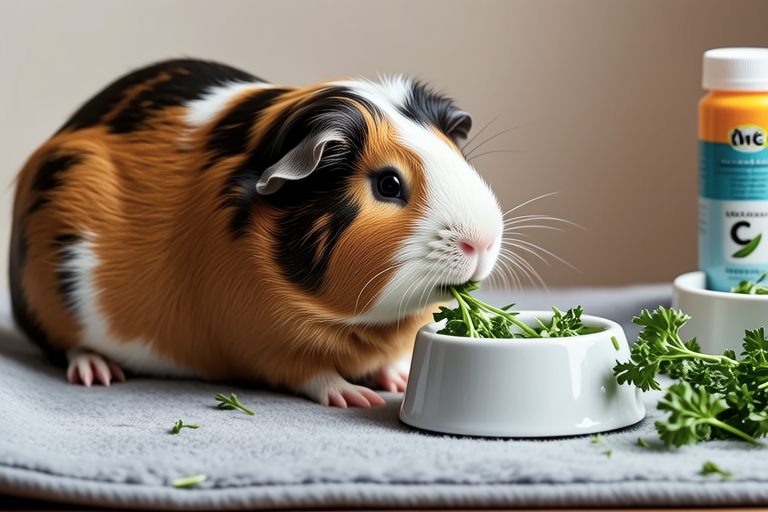
Fresh vegetables provide essential vitamins and minerals. Dark leafy greens like kale, spinach, and parsley are excellent choices. However, avoid feeding them iceberg lettuce, as it has little nutritional value and can cause digestive issues. Fruits should be offered in moderation due to their high sugar content. Always introduce new foods gradually to prevent digestive upset.
Pellets formulated specifically for guinea pigs should be provided daily. Look for pellets that are fortified with vitamin C, as guinea pigs cannot produce this essential nutrient themselves. It’s important to monitor the amount of pellets fed, as overfeeding can lead to obesity.
Vitamin C deficiency is common in guinea pigs, leading to scurvy. Signs include lethargy, poor appetite, and swollen joints. To prevent this, offer fresh fruits rich in vitamin C, such as oranges, strawberries, and bell peppers, alongside supplements if necessary.
Housing: Creating a Comfortable Home
Adequate housing ensures your guinea pig feels safe and secure. Choose a spacious cage with a minimum floor space of 7.5 square feet for one guinea pig and additional space for each additional pet. Wire-bottom cages should be avoided as they can cause foot injuries. Instead, opt for solid flooring with bedding made from recycled paper, wood shavings, or fleece liners.
The cage should be placed in a quiet area away from drafts, direct sunlight, and excessive noise. Provide plenty of hiding spots, tunnels, and toys to stimulate mental and physical activity. Regular cleaning of the cage is essential to maintain hygiene and prevent odors. Spot clean daily and perform a thorough cleaning once a week.
Temperature and humidity levels also play a significant role in your guinea pig’s comfort. Maintain a temperature between 65°F and 75°F (18°C to 24°C) and ensure good ventilation. Avoid placing the cage near windows where temperatures can fluctuate dramatically.
Exercise: Keeping Your Guinea Pig Active
Regular exercise is crucial for maintaining your guinea pig’s physical and mental well-being. In addition to time spent out of their cage, consider providing exercise wheels designed specifically for small animals. These allow guinea pigs to run freely without risking injury.
Supervised playtime outside the cage is another excellent way to encourage exercise. Create an enclosed area where your guinea pig can explore safely. Supervision is key during this time, as guinea pigs may chew on electrical cords or other dangerous objects.
Interactive toys, tunnels, and climbing structures can also stimulate your guinea pig’s curiosity and provide opportunities for exploration. Rotate toys periodically to keep things interesting and prevent boredom.
Grooming: Maintaining a Healthy Appearance
Grooming is an essential part of keeping your guinea pig looking and feeling their best. Long-haired breeds require more frequent brushing than short-haired varieties. Use a soft-bristled brush to remove loose hair and prevent matting. Bathing should be minimal, as guinea pigs naturally groom themselves. If bathing is necessary, use a mild, pet-safe shampoo and ensure the guinea pig is thoroughly dried afterward to prevent chills.
Trimming nails is another important grooming task. Overgrown nails can cause discomfort and difficulty walking. Use nail clippers designed for small pets and trim the tips carefully to avoid cutting the quick, which can cause bleeding and pain. If unsure about trimming, consult a veterinarian or a professional groomer.
Teeth grinding is a common behavior in guinea pigs and usually indicates a problem. Ensure access to plenty of hay and chew toys to help wear down their constantly growing teeth. If you notice persistent grinding or signs of dental issues, consult a veterinarian immediately.
Health Monitoring: Early Detection and Prevention
Regular health checks can help detect potential issues early, improving the chances of successful treatment. Monitor your guinea pig’s appetite, energy level, and bathroom habits daily. Any sudden changes in behavior or physical appearance should prompt a visit to the vet.
Common health problems in guinea pigs include respiratory infections, dental issues, and obesity. Respiratory infections can manifest as sneezing, discharge from the nose or eyes, and labored breathing. Dental problems often present as drooling, difficulty eating, or weight loss. Obesity can result from overfeeding or lack of exercise.
Preventative measures include providing a balanced diet, regular exercise, and routine veterinary check-ups. Spaying or neutering can also reduce the risk of certain cancers and behavioral issues. Vaccinations are not typically required for guinea pigs, but consult your veterinarian for specific recommendations based on your location and circumstances.
Common Behaviors: Understanding Your Pet
Understanding your guinea pig’s natural behaviors can enhance your bond and promote a harmonious relationship. Guinea pigs are social creatures and thrive when kept in pairs or groups. They communicate through various vocalizations, including purring, squeaking, and chirping. These sounds can indicate contentment, excitement, or distress depending on the context.
Exploring their environment is another common behavior. Providing tunnels, toys, and hiding spots encourages this instinctive activity. It’s important to supervise your guinea pig during these times to ensure safety. Guinea pigs may also exhibit territorial behavior, especially around food and nesting areas. Respect these boundaries and provide ample resources to minimize conflicts.
Handling your guinea pig gently and frequently helps build trust. Always support their body when picking them up and avoid lifting them by the ears or tail. Guinea pigs are sensitive animals and may become stressed or injured if handled roughly.
Conclusion: A Happy, Healthy Environment
Creating a happy, healthy environment for your guinea pig involves attention to diet, housing, exercise, grooming, health monitoring, and understanding common behaviors. By following the expert advice and practical tips outlined in this guide, you’ll be well-equipped to provide the best possible care for your beloved pet. Remember, every guinea pig is unique, so observe their individual needs and adjust your care accordingly. With love, patience, and proper care, you can ensure your guinea pig enjoys a long and fulfilling life.
