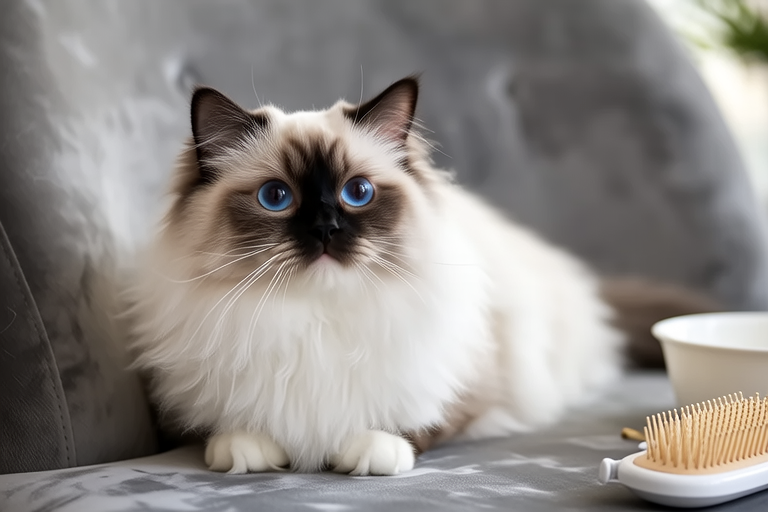
The Ultimate Persian Cat Care Manual for First-Time Owners
Welcome to your guide to owning a Persian cat! Persian cats are known for their luxurious coats, sweet dispositions, and charming personalities. This manual will help you understand what it takes to care for a Persian cat, from choosing the right one to ensuring they live a long, healthy life.
Choosing the Right Persian Cat
Before bringing home a Persian cat, consider several factors. First, decide whether you want a kitten or an adult cat. Kittens are adorable but require more attention and training. Adult Persians are usually more settled and can be easier to integrate into your home.
When selecting a Persian cat, look for a reputable breeder who prioritizes the health and well-being of their cats. Ask about genetic testing, health issues, and the breeding lineage. Spend time with the cat to ensure compatibility; observe their behavior and energy levels to find one that matches your lifestyle.
Understanding Their Grooming Needs
Persian cats have long, thick coats that require regular grooming to prevent matting and hairballs. Brush them daily with a slicker brush to remove loose hair and distribute natural oils. Bathing is necessary every few weeks, especially if they have a tendency to get dirty or develop odors.
Trim their nails every two weeks and clean their ears weekly to avoid infections. Check their eyes regularly for any discharge or irritation, as Persians are prone to tear duct blockages. Use a damp cloth to gently wipe away any debris.
Dietary Requirements
Feed your Persian cat a balanced diet rich in protein and low in carbohydrates. Choose high-quality cat food that meets their nutritional needs. Wet food can help with hydration, which is essential for maintaining kidney health.
Avoid overfeeding to prevent obesity, a common issue among Persians. Provide fresh water at all times and monitor their weight. Consult your veterinarian for specific dietary recommendations based on age, activity level, and overall health.
Health Considerations
Persian cats are generally healthy but can be prone to certain conditions. Regular veterinary check-ups are crucial for early detection and management of health issues. Common concerns include polycystic kidney disease, respiratory problems due to flat faces, and dental issues.
Signs of illness to watch for include changes in appetite, unusual behavior, or difficulty breathing. Maintain a clean living environment and practice good hygiene to reduce the risk of infections. Vaccinations and preventive treatments are also important for keeping your cat healthy.
Exercise Tips
Despite their sedentary nature, Persians still need regular exercise to maintain their physical and mental well-being. Encourage play with interactive toys, such as feather wands or laser pointers, to stimulate their hunting instincts.
Provide climbing structures and scratching posts to satisfy their need for vertical space. Rotate toys periodically to keep them interested and engaged. Daily play sessions of 10-15 minutes can significantly improve their health and happiness.
Training Methods
Persian cats are intelligent and can learn simple commands and tricks. Start training when they are young to establish routines and reinforce positive behaviors. Use treats and praise as rewards for desired actions.
Teach basic commands like ‘come’ and ‘sit’ using consistent hand signals and vocal cues. Avoid harsh punishments; instead, redirect unwanted behaviors by offering alternative activities or distractions. Training should be fun and stress-free for both you and your cat.
Creating a Comfortable Living Environment
Provide a safe, comfortable space for your Persian cat to rest and relax. Designate a quiet area with soft bedding, a cozy blanket, and a warm spot near a window. Ensure access to a litter box in a private location.
Invest in quality furniture and accessories that cater to their needs. Persian cats enjoy sitting on elevated surfaces, so consider purchasing cat trees or window perches. Keep household chemicals and plants out of reach, and secure small objects that could pose choking hazards.
Behavior and Temperament
Persian cats are known for their gentle and affectionate nature. They often form strong bonds with their owners and enjoy companionship. However, they can be somewhat independent and may prefer calm environments.
Understand their body language to gauge their mood and respond accordingly. A relaxed posture indicates contentment, while flattened ears and a puffed tail suggest fear or aggression. Respect their boundaries and give them space when needed.
Conclusion
Owning a Persian cat is a rewarding experience that comes with responsibilities. By following this manual, you’ll be well-prepared to provide the care and attention your Persian cat deserves. Remember, each cat is unique, so tailor your approach to meet their individual needs.
With patience, love, and dedication, you and your Persian cat will share many happy years together. Enjoy the journey of companionship and cherish the moments that make your bond special.
