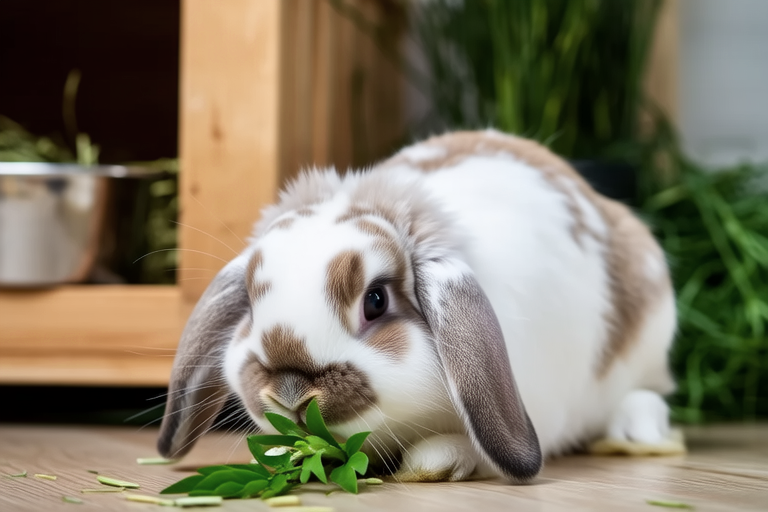
Caring for Your Lop Rabbit: Tips and Tricks Every Owner Needs to Know
Welcome to the wonderful world of lop rabbits! Known for their floppy ears, gentle demeanor, and playful nature, these rabbits make fantastic pets for families and individuals alike. Whether you’re a seasoned rabbit owner or just starting out, there’s always more to learn about providing the best care for your furry friend. This guide will cover essential topics like diet, housing, grooming, health care, exercise, and behavior, tailored specifically for lop rabbits.
Diet: What Do Lop Rabbits Eat?
Proper nutrition is key to keeping your lop rabbit healthy and happy. Their diet should primarily consist of hay, which aids digestion and keeps teeth worn down. Timothy hay is particularly recommended for adult lops. Fresh water must be available at all times. Pellets formulated for rabbits should be provided in limited quantities to avoid obesity. Vegetables like carrots, spinach, and bell peppers can serve as occasional treats but should not replace hay and pellets.
For example, one of my friends noticed her lop rabbit became overly energetic after eating too many sugary fruits. She adjusted the diet, focusing more on hay and vegetables, and her rabbit returned to its usual calm self.
Housing: Creating a Comfortable Home
Lop rabbits require spacious living areas that allow them to move around freely. A large hutch with plenty of ventilation is ideal. The floor should be solid to prevent sore hocks, a condition caused by wire flooring. Indoor rabbits often enjoy play areas with soft bedding. Ensure the environment is safe from drafts and extreme temperatures.
One owner shared how she used old towels and blankets to create cozy nests for her lop rabbits during winter. They loved burrowing into these warm spots, especially when it got chilly outside.
Grooming: Maintaining a Healthy Coat
Lop rabbits have medium-length fur that requires regular brushing to prevent matting. Use a slicker brush to remove loose hair and distribute natural oils throughout the coat. Bathing should be done sparingly, only when necessary, as it can stress the rabbit and strip away protective oils. Pay special attention to the floppy ears, checking for any signs of infection or irritation.
Anecdotal evidence suggests that rabbits with well-groomed coats tend to be more comfortable and less prone to skin issues. Regular grooming also provides an opportunity to bond with your pet and check for any unusual lumps or bumps.
Health Care: Keeping Your Lop Rabbit Healthy
Veterinary check-ups are crucial for maintaining your rabbit’s health. Discuss spaying or neutering options with your vet; this procedure can prevent certain cancers and unwanted behaviors. Vaccinations against common diseases are also important. Watch for signs of illness such as lethargy, loss of appetite, or changes in bathroom habits. Early detection and treatment can save lives.
A friend once told me about her experience taking her lop rabbit to the vet for what seemed like a minor issue – drooling. It turned out to be an abscess under the chin, requiring antibiotics and draining. Regular check-ups really do make a difference.
Exercise: Encouraging Physical Activity
Lop rabbits need daily exercise to stay fit and mentally stimulated. Provide toys designed for rabbits, tunnels to explore, and space to hop and run. Supervised time outside the hutch allows for exploration and interaction with family members. Exercise also helps maintain muscle tone and prevents obesity.
I remember watching a video where a family set up an obstacle course for their lop rabbit. The rabbit navigated through hoops, tunnels, and even a small slide with great enthusiasm. It was clear how much fun and physical activity the rabbit enjoyed.
Behavior: Understanding Your Lop Rabbit
Lop rabbits are generally calm and affectionate, making them excellent companions. They enjoy human interaction but may become stressed if handled too roughly. Patience and gentleness are key when introducing new routines or people. Some lops develop strong bonds with their owners, recognizing familiar faces and sounds. Training techniques like clicker training can help reinforce positive behaviors.
One story that stood out was about a lop rabbit who learned to come when called. With consistent practice and treats, the rabbit would hop over to its owner whenever they heard their name. It was a beautiful display of trust and companionship.
Unique Needs of Lop Rabbits
Compared to other breeds, lop rabbits have some unique requirements. Their long ears are more susceptible to injury and infection, so extra care is needed. They also tend to be more sensitive to heat, so keep them cool during hot weather. Additionally, their floppy ears can sometimes interfere with their vision, so be mindful of their surroundings.
Owners often share stories about their lop rabbits finding creative ways to navigate around obstacles caused by their ears. One owner mentioned her rabbit would back up slowly instead of turning its head, demonstrating remarkable adaptability.
Conclusion: Celebrating the Joy of Lop Rabbits
Owning a lop rabbit is a rewarding experience filled with love, laughter, and learning. By understanding their dietary needs, creating a comfortable home, maintaining good hygiene, ensuring proper healthcare, encouraging physical activity, and appreciating their unique behaviors, you’ll provide your lop rabbit with a fulfilling life. Remember, every rabbit is different, so observe and adapt your care routine accordingly.
Whether you’re introducing a lop rabbit to your family or expanding your existing herd, these tips and tricks will help ensure a lifetime of happiness for both you and your beloved pet. Enjoy the journey!
