Heterometrus Spinifer: A Lesser-Known Scorpion Species
Scorpions are fascinating creatures that have captured human imagination for centuries. Among the vast array of scorpion species, Heterometrus spinifer stands out as a lesser-known yet intriguing member of the scorpion family. This article delves into the physical characteristics, habitat, behavior, and significance of Heterometrus spinifer, shedding light on this often-overlooked arachnid.
Physical Characteristics
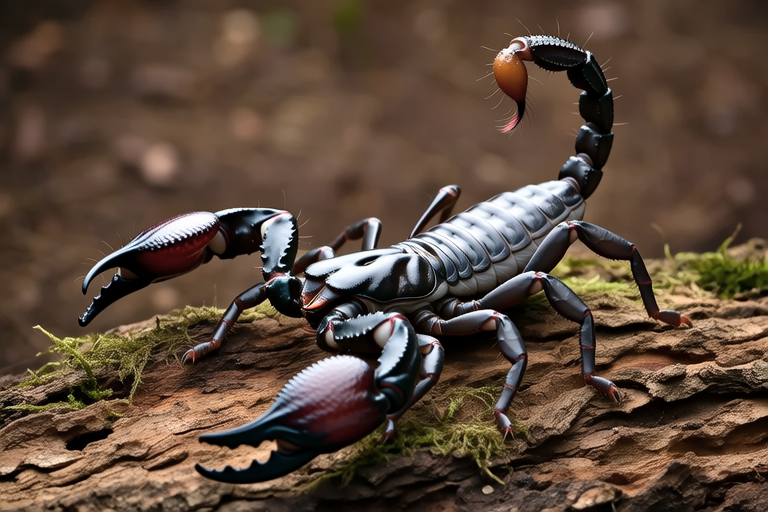
Heterometrus spinifer is a medium-sized scorpion, typically reaching lengths between 7 to 10 centimeters. Its most distinctive feature is its robust pincers, which are significantly larger compared to those of other scorpion species. The body coloration ranges from dark brown to black, providing excellent camouflage against predators and prey alike. These scorpions possess a long, segmented tail with a prominent stinger at the tip. Unlike some of its relatives, Heterometrus spinifer has a more slender and elongated abdomen, giving it a sleek appearance. The claws, known as pedipalps, are well-adapted for grasping and manipulating small prey items. These physical attributes set Heterometrus spinifer apart from other scorpions, making it easily recognizable to those familiar with the family.
Habitat and Environmental Conditions
Heterometrus spinifer thrives in tropical and subtropical regions, particularly in Southeast Asia, where it can be found in countries like Thailand, Malaysia, and Indonesia. It prefers humid environments with plenty of moisture, such as dense forests, bamboo thickets, and areas near freshwater sources. These scorpions are adept at burrowing into soft soil or hiding under rocks and logs, creating sheltered retreats to protect themselves from harsh weather conditions and potential threats. They are nocturnal creatures, emerging at night to hunt for food and avoid the heat of the day. The ideal temperature range for Heterometrus spinifer is between 24°C and 30°C, with humidity levels above 70%. These environmental conditions are crucial for their survival, ensuring they remain active and healthy throughout their lifecycle.
Behavior: Feeding Habits, Mating Rituals, and Defensive Mechanisms
The feeding habits of Heterometrus spinifer are quite diverse. As opportunistic hunters, these scorpions feed primarily on insects, spiders, and other small invertebrates. Their powerful pincers allow them to grasp and subdue prey effectively, while venom from their stinger serves as an additional tool for immobilization. During the mating season, males engage in elaborate courtship dances, involving intricate movements and tactile interactions with females. After successful copulation, females carry fertilized eggs internally until they hatch, producing live young. This reproductive strategy ensures higher survival rates for offspring compared to egg-laying species. When threatened, Heterometrus spinifer employs various defensive tactics, including hissing sounds produced by rubbing specialized structures on their bodies and utilizing their potent venom to deter predators.
Myths and Misconceptions
One common myth surrounding scorpions is that all species are highly dangerous to humans. While it’s true that some scorpions possess extremely toxic venom capable of causing severe health issues, many others, like Heterometrus spinifer, pose little threat. In reality, the sting of Heterometrus spinifer is generally no more painful than a bee sting and rarely causes serious harm unless the victim has an allergic reaction. Another misconception is that scorpions always glow under ultraviolet light. Although many species do fluoresce when exposed to UV radiation, not all do so equally, and Heterometrus spinifer may only exhibit faint fluorescence. By dispelling these myths, we gain a clearer understanding of these remarkable creatures and appreciate their ecological roles without undue fear.
Importance for Biodiversity and Conservation Efforts
Understanding Heterometrus spinifer is vital for preserving biodiversity and promoting effective conservation strategies. As part of complex ecosystems, scorpions play essential roles as both predators and prey, influencing population dynamics of other organisms within their habitats. Researching their behaviors, habitats, and interactions provides valuable insights into broader ecological processes, helping scientists develop informed conservation plans. Additionally, studying lesser-known species like Heterometrus spinifer contributes to our knowledge base regarding evolutionary adaptations and genetic diversity across different animal groups. By protecting these unique creatures, we safeguard Earth’s rich tapestry of life, ensuring future generations inherit a world teeming with diverse and fascinating wildlife.
