Betta Bliss: Unveiling the Secrets to a Happy and Healthy Betta Fish
Welcome to the world of betta fish, a captivating species known for their vibrant colors and flowing fins. These small yet striking creatures have been adored by aquarium enthusiasts for centuries. Their unique characteristics make them a popular choice for first-time aquarists and seasoned hobbyists alike. Let’s dive into the secrets of keeping your betta fish happy and healthy.
Unique Characteristics of Betta Fish
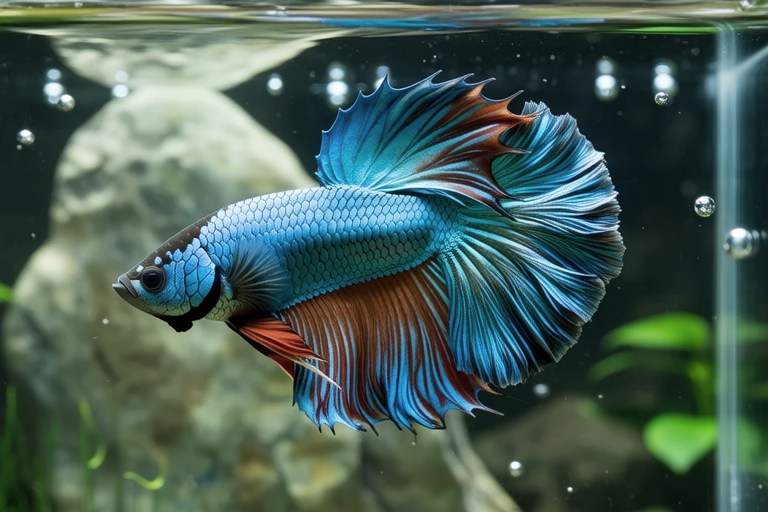
Betta fish, scientifically known as Betta splendens, originate from the rice paddies and slow-moving streams of Thailand and neighboring countries. They are known for their iridescent scales and elongated, flowing fins. Male bettas, especially, are renowned for their vivid colors and elaborate displays during mating rituals. Despite their delicate appearance, bettas are surprisingly hardy and can adapt to various environments. However, it’s crucial to understand their specific needs to ensure they thrive in captivity.
Optimal Tank Setup
Tank Size
Contrary to popular belief, bettas do not thrive in tiny containers. While they can survive in small spaces, these conditions are far from ideal. A minimum tank size of 5 gallons is recommended to provide ample swimming space and proper water circulation. Larger tanks, up to 10 gallons, offer even better living conditions and are highly recommended for long-term care.
Water Conditions
Maintaining the right water conditions is vital for your betta’s health. The ideal temperature range for bettas is between 76°F and 82°F (24°C to 28°C). Use a reliable thermometer to monitor the temperature and consider a heater if necessary. The pH level should be slightly acidic, ranging from 6.5 to 7.2. Regular testing and adjustments can help maintain these parameters.
Filtration Needs
While bettas are often associated with still water environments, they benefit greatly from gentle filtration. Opt for a filter that provides a moderate flow rate, ensuring water movement without causing stress. Avoid overly strong currents that might disrupt their natural behavior. Regular maintenance of the filter and tank water will prevent the buildup of harmful toxins.
Suitable Decorations and Plants
Incorporating decorations and live or artificial plants into your betta’s habitat serves multiple purposes. It not only enhances the aesthetic appeal but also provides hiding spots and resting areas. Choose sturdy decorations that won’t damage your betta’s delicate fins. Live plants like Java ferns and Anubias offer natural beauty and oxygenation. Artificial plants made from silk or plastic are safe alternatives if you prefer a lower-maintenance setup.
Dietary Recommendations
Feeding your betta a balanced diet is essential for their overall well-being. Betta fish are carnivorous and require a diet rich in protein. High-quality betta pellets and flakes form the foundation of their diet. Supplement this with occasional treats like frozen bloodworms, brine shrimp, and daphnia. Feed your betta twice daily, offering only what they can consume within two minutes. Overfeeding can lead to digestive issues and water quality problems.
Common Health Issues and Preventive Measures
Fungal Infections
Fungal infections often manifest as white patches on the fish’s body. These can be caused by poor water quality or physical injuries. To prevent fungal growth, maintain clean water and avoid overcrowding. If signs appear, treat with an appropriate anti-fungal medication following the instructions carefully.
Bacterial Infections
Bacterial infections may result in red streaks, bloating, or lethargy. Regular water changes and quarantine procedures for new additions can minimize the risk. Should your betta exhibit symptoms, consult with a veterinarian specializing in aquatic animals for diagnosis and treatment.
Tips for Handling and Interacting with Bettas
Interacting with your betta can strengthen the bond between you and your pet. Gently move your hand near the tank to encourage your betta to approach. Never attempt to catch your betta with your hands; instead, use a soft net. When cleaning the tank, handle with care to avoid startling or stressing your fish.
In conclusion, providing a suitable environment, a balanced diet, and regular attention will ensure your betta fish lives a long and healthy life. By understanding and addressing their specific needs, you can enjoy a rewarding relationship with these beautiful creatures. Remember, the happiness and health of your betta are directly linked to the care and effort you put into their habitat and well-being.
