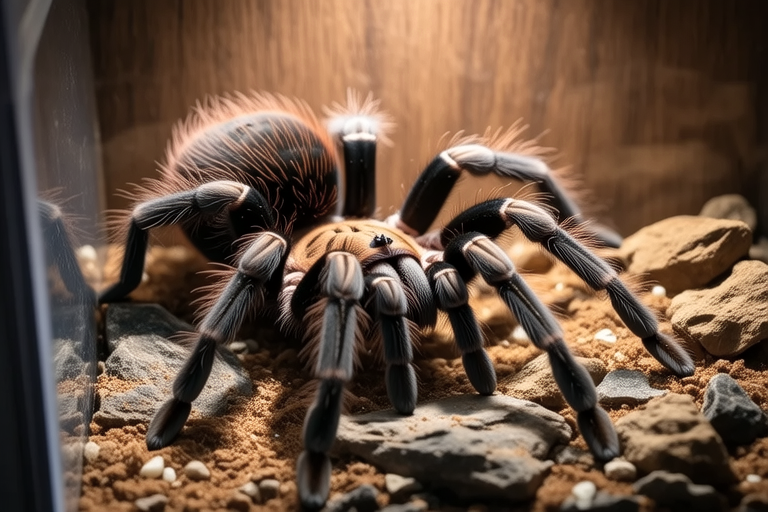
How Your Home Becomes Spider Paradise: Tips for Chilean Rose Tarantula Owners
Welcome to the wonderful world of Chilean rose tarantulas! These fascinating creatures, native to parts of Africa, have become increasingly popular pets due to their relatively docile nature and striking appearance. If you’re a new or seasoned owner, understanding how to create an ideal habitat for your tarantula is crucial for its health and well-being. This guide will walk you through everything from setting up the perfect enclosure to recognizing signs of a healthy tarantula.
Creating the Ideal Habitat
The first step in providing your Chilean rose tarantula with a comfortable home is selecting the right enclosure. A glass tank or a plastic terrarium works well, ensuring proper ventilation while keeping humidity levels stable. For adults, a 10-gallon tank is typically sufficient, but larger enclosures may be necessary for more active individuals.
Temperature Requirements
Maintaining the correct temperature range is vital for your tarantula’s metabolism and overall health. Aim for temperatures between 75°F and 85°F (24°C to 29°C) during the day, dropping slightly at night to around 70°F to 75°F (21°C to 24°C). You can achieve this by placing a heat mat under one side of the enclosure, allowing your tarantula to regulate its body temperature by moving between warmer and cooler areas.
Humidity Levels
Chilean rose tarantulas thrive in environments with moderate humidity, ranging from 60% to 80%. To maintain these conditions, mist the enclosure daily, paying attention to the substrate. Avoid overly saturated soil as it can lead to respiratory issues and mold growth. Using a hygrometer helps monitor humidity levels accurately.
Substrate Selection
The substrate serves multiple purposes, including providing a natural environment and aiding in moisture regulation. Coconut fiber, reptile bark, or a mix of potting soil and sand work best. Layer the substrate to a depth of about 4 inches (10 cm), ensuring it remains damp without becoming soggy. This setup mimics the arid yet humid conditions found in their natural habitats.
Maintaining Hygiene
Regular cleaning ensures that your tarantula remains healthy and free from potential illnesses. Remove uneaten prey and waste promptly, and spot clean the substrate weekly. Every two to three months, perform a thorough cleaning, replacing all bedding material and disinfecting the enclosure with a pet-safe cleaner. Always rinse thoroughly and allow the enclosure to dry completely before reintroducing your tarantula.
Feeding Habits
Chilean rose tarantulas are primarily insectivores, feeding on crickets, mealworms, and dubia roaches. Feed them once every week or ten days, depending on their size and activity level. Gut-load feeder insects with nutritious foods like fruits, vegetables, and commercial insect diets to ensure your tarantula receives adequate nutrition. Avoid overfeeding, as excess food can attract pests and increase humidity levels.
Handling Techniques
While tarantulas generally prefer solitude, gentle handling can strengthen the bond between you and your pet. Before attempting to handle your tarantula, familiarize yourself with its behavior and preferences. Use a long-handled net or tongs to gently lift your tarantula from its enclosure. Support its entire body, avoiding sudden movements that might startle it. Limit handling sessions to prevent stress and ensure your tarantula remains calm and relaxed.
Signs of a Healthy Tarantula
A healthy Chilean rose tarantula displays several key characteristics. Its abdomen should be plump, indicating proper nutrition, while its legs remain strong and agile. Regular molting is another sign of good health, though some tarantulas may skip a molt if they are stressed or ill. Keep an eye out for any unusual behaviors, such as lethargy, loss of appetite, or difficulty moving, which could indicate underlying health issues.
Common Mistakes to Avoid
Setting up the wrong type of enclosure is a frequent mistake among new owners. Avoid using open-topped tanks or aquariums with screen tops, as they can lead to excessive evaporation and fluctuating humidity levels. Another common error is overfeeding, which not only affects the tarantula’s health but also attracts unwanted pests. Lastly, neglecting to provide hiding spots or climbing structures can cause stress and discomfort for your pet.
Conclusion
Caring for a Chilean rose tarantula requires dedication and attention to detail, but the rewards are immeasurable. By following these guidelines, you’ll create a thriving environment that meets all of your tarantula’s needs. Remember, each tarantula is unique, so take time to observe and understand your pet’s individual preferences. With patience and care, you’ll enjoy a long and fulfilling relationship with your eight-legged friend.
