Meet the Calm Giant: Why the Chilean Rose Tarantula is Gaining Popularity as a Low-Maintenance Pet
The world of exotic pets is vast and varied, with each species offering unique challenges and rewards. Among these creatures, the Chilean Rose Tarantula (Grammostola rosea) stands out as a particularly appealing choice for many pet enthusiasts. Known for its calm demeanor and manageable size, this spider has been gaining popularity as a low-maintenance pet. This article delves into the world of the Chilean Rose Tarantula, exploring its care requirements, suitability for beginners, and dispelling common myths surrounding tarantulas.
The Chilean Rose Tarantula: A Gentle Giant
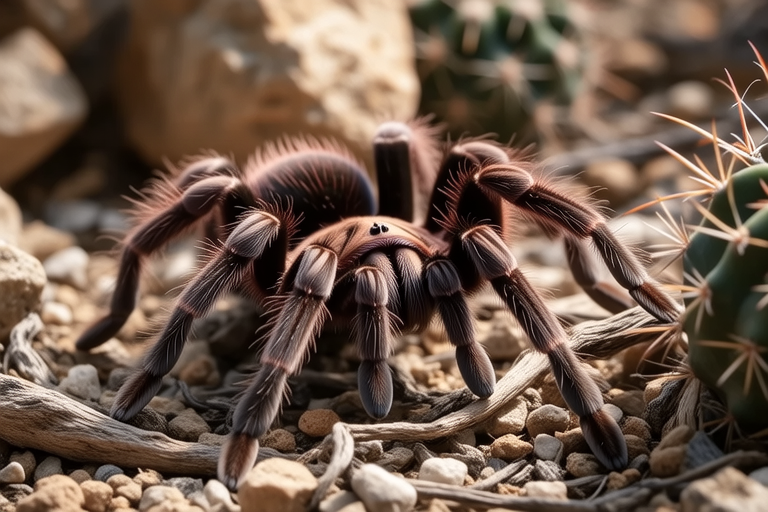
The Chilean Rose Tarantula is native to the deserts of South America, specifically in regions of Chile, Argentina, and Bolivia. These spiders are named for their distinctive pinkish-orange coloration, which often appears as a light blush along their legs and abdomen. Despite their intimidating appearance, they are known for their calm and docile nature, making them an excellent choice for those interested in exotic pets but wary of more aggressive or high-maintenance animals.
With an average adult size of around 4-6 inches, the Chilean Rose Tarantula is relatively small compared to other tarantula species. Their manageable size makes them easier to house and handle, further contributing to their appeal as pets. Unlike some larger tarantulas that can be skittish or aggressive, the Chilean Rose Tarantula is generally quite calm, rarely showing signs of aggression unless provoked.
Care Requirements: Simple Yet Essential
Maintaining a Chilean Rose Tarantula is relatively straightforward, making them an attractive option for pet owners seeking a lower maintenance companion. The primary care requirements include providing an appropriate enclosure, maintaining proper temperature and humidity levels, and ensuring a balanced diet.
Habitat Setup: A suitable habitat for your Chilean Rose Tarantula should mimic its natural desert environment. A terrarium measuring at least 10 gallons is recommended for adults, providing ample space for the spider to move around comfortably. The substrate should consist of coconut fiber or a mix of peat moss and vermiculite, allowing for burrowing behavior which is essential for their well-being.
Temperature and humidity levels are crucial for the health of your tarantula. The ideal temperature range is between 75-85°F, with humidity levels kept around 60-70%. Heating pads or under-tank heaters can help maintain consistent warmth, while a water dish provides a source of moisture and hydration. It’s important to monitor these conditions regularly to ensure they remain within the optimal range.
Diet: Feeding your Chilean Rose Tarantula is simple and cost-effective. In the wild, they primarily feed on insects like crickets, grasshoppers, and mealworms. As pets, they can be fed a diet consisting mainly of crickets, with occasional treats of other insects. Juvenile tarantulas may need to be fed every few days, while adults can be fed once a week. It’s advisable to dust the feeder insects with calcium and vitamin supplements to ensure a balanced diet.
Health Issues: Common health issues in Chilean Rose Tarantulas include mites and dehydration. Regular cleaning of the enclosure and monitoring for any signs of illness are key to preventing these problems. If you notice any unusual behavior or physical changes, consult a veterinarian specializing in exotic pets.
Why the Chilean Rose Tarantula is Gaining Popularity
The rising popularity of the Chilean Rose Tarantula can be attributed to several factors, including its docile nature and ease of care. For beginners, the low-maintenance aspect of owning a tarantula is particularly appealing. Unlike dogs or cats, which require daily attention and care, tarantulas are relatively independent and can thrive with minimal interaction.
Another reason for their growing popularity is the increasing awareness and acceptance of exotic pets. Many people are now open to the idea of keeping unusual pets, provided they understand and respect the specific needs of the animal. The internet has played a significant role in educating potential owners about the care and handling of tarantulas, making it easier for new enthusiasts to enter the hobby.
Addressing Myths About Tarantulas
Despite their growing popularity, many misconceptions still surround tarantulas, often deterring potential owners. One common myth is that all tarantulas are dangerous and aggressive. While it’s true that some species can be aggressive, the Chilean Rose Tarantula is generally calm and unlikely to bite unless provoked. Another myth is that tarantulas require complex care, which is far from the truth for the Chilean Rose Tarantula.
It’s also worth noting that tarantulas do not make good pets for young children. Handling a tarantula requires patience and gentle handling, which might be beyond the capabilities of younger children. Responsible ownership involves understanding the needs and limitations of the animal, ensuring it is kept in a safe and comfortable environment.
Conclusion: Embracing Responsible Ownership
The Chilean Rose Tarantula is a fascinating and rewarding pet for those willing to embrace the responsibility of caring for an exotic animal. With their calm demeanor, manageable size, and relatively simple care requirements, they offer a unique experience for pet owners. By understanding and respecting the needs of your tarantula, you can provide a healthy and happy life for your new companion.
As with any pet, responsible ownership is key. This means researching thoroughly before bringing a tarantula home, providing the right habitat and diet, and being prepared for any health issues that may arise. By doing so, you can enjoy the companionship of one of nature’s most intriguing creatures while ensuring their well-being.
