Meet the Miniature Maestros Cleaning Up Your Reef
In the vast and vibrant world of marine ecosystems, there are unsung heroes that play pivotal roles in maintaining the health of our coral reefs. These miniature maestros, though often overlooked, are indispensable for the survival of one of Earth’s most diverse habitats. From the tiniest shrimp to the unassuming sea cucumber, each species contributes uniquely to the delicate balance of life within the reef. This article will introduce you to some of these remarkable creatures, their specific roles in reef maintenance, behaviors, ecological significance, and the challenges they face.
The Unsung Heroes: A Closer Look at Reef Cleaners
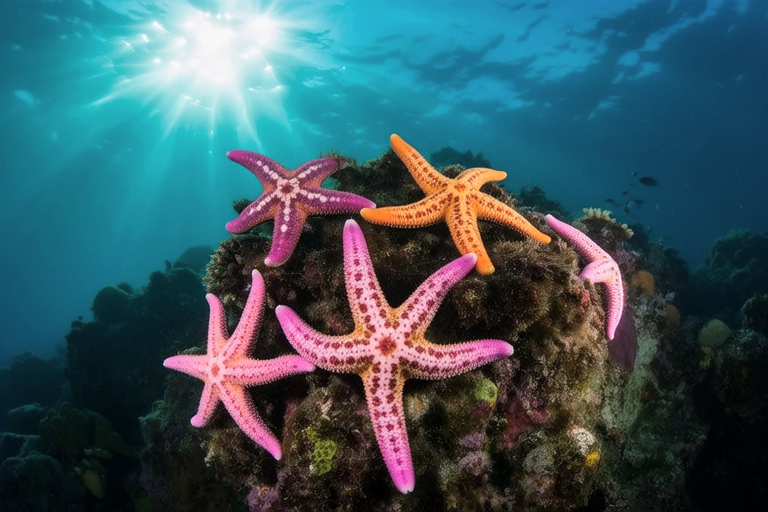
One of the most fascinating members of this group is Acanthaster planci, commonly known as the crown-of-thorns starfish. Despite its fearsome appearance, this echinoderm is an essential part of the reef ecosystem. Crown-of-thorns starfish feed on coral polyps, preventing any one coral species from dominating the reef. By controlling the growth of certain coral types, they promote biodiversity and ensure a balanced distribution of coral species across the reef. However, overpopulation can lead to significant damage, which is why monitoring their numbers is crucial for reef management.
Another key player in reef maintenance is the cleaner shrimp (Periclimenes yucatanicus). These tiny crustaceans form symbiotic relationships with larger fish, providing them with grooming services in exchange for protection. Cleaner shrimp meticulously remove parasites and dead skin from their clients, keeping them healthy and free from disease. Their diligent work not only benefits individual fish but also maintains the overall health of the reef by reducing the spread of infections. One interesting fact about cleaner shrimp is that they have specialized antennae that help them detect chemical signals emitted by sick fish, guiding them to areas in need of attention.
Ecological Significance and Lesser-Known Facts
Sea cucumbers (Stichopus chloronotus) are another vital component of reef ecosystems. Often underestimated due to their soft, unassuming appearance, these creatures play a crucial role in nutrient cycling within the reef. Sea cucumbers consume detritus and organic matter on the seafloor, breaking it down into nutrients that can be utilized by other organisms. Their feeding habits help maintain water quality and prevent harmful algal blooms, which can smother corals and reduce light availability. An intriguing aspect of sea cucumbers is their ability to expel their internal organs when threatened, a defense mechanism that allows them to escape predators while regenerating their lost tissues.
Hermit crabs (Clibanarius tricolor) are also important contributors to reef health. These small crustaceans inhabit discarded mollusk shells, using them as mobile homes to protect themselves from predators. Hermit crabs play a significant role in shell turnover, ensuring that empty shells are available for other species to utilize. Additionally, they contribute to the breakdown of algae and other organic material, helping to maintain the structural integrity of the reef. One lesser-known fact about hermit crabs is that they can change the color of their shells to match their surroundings, providing camouflage and enhancing their chances of survival.
Behaviors and Challenges Faced by These Marine Creatures
The behaviors of these miniature maestros are as varied as their contributions to the reef. For example, the cleaning behavior of cleaner shrimp is highly specialized, involving intricate dances and movements to signal their readiness to assist larger fish. This cooperative relationship has evolved over millions of years, demonstrating the complexity and adaptability of marine ecosystems. Similarly, sea cucumbers exhibit unique feeding patterns, with some species burrowing into the sediment to access food sources below the surface.
Despite their importance, these small marine creatures face numerous challenges. Human activities such as pollution, overfishing, and climate change pose significant threats to their survival. Pollution can alter water chemistry, affecting the ability of these creatures to thrive. Overfishing disrupts the balance of the ecosystem, removing natural predators and prey that these creatures depend on. Climate change, particularly rising sea temperatures, can cause coral bleaching, which directly impacts the habitat of many reef-dwelling species. To address these challenges, conservation efforts must focus on protecting not just the coral itself but also the entire ecosystem, including the tiny creatures that support it.
Encouraging Appreciation and Conservation Efforts
The story of the miniature maestros highlights the interconnectedness of marine life and underscores the importance of preserving these delicate ecosystems. Each creature, no matter how small, plays a crucial role in maintaining the health and biodiversity of the reef. By understanding and appreciating the contributions of these tiny heroes, we can inspire greater efforts towards conservation and sustainable practices.
One way to support these creatures is through responsible tourism. Visitors to coral reefs should adhere to guidelines that minimize disturbance to the environment, such as avoiding contact with corals and not feeding fish. Additionally, supporting organizations dedicated to marine conservation can make a significant impact. Many groups focus on research, education, and advocacy, working to raise awareness about the challenges facing reef ecosystems and the importance of protecting them.
In conclusion, the miniature maestros of the reef are unsung heroes that deserve recognition for their vital contributions to the health and diversity of coral ecosystems. By learning about their behaviors, ecological significance, and the challenges they face, we can develop a deeper appreciation for these tiny creatures and the critical roles they play in maintaining the balance of life within the reef. Let us celebrate their efforts and commit to preserving the vibrant world they inhabit, ensuring that future generations can continue to marvel at the beauty and complexity of our oceans.
