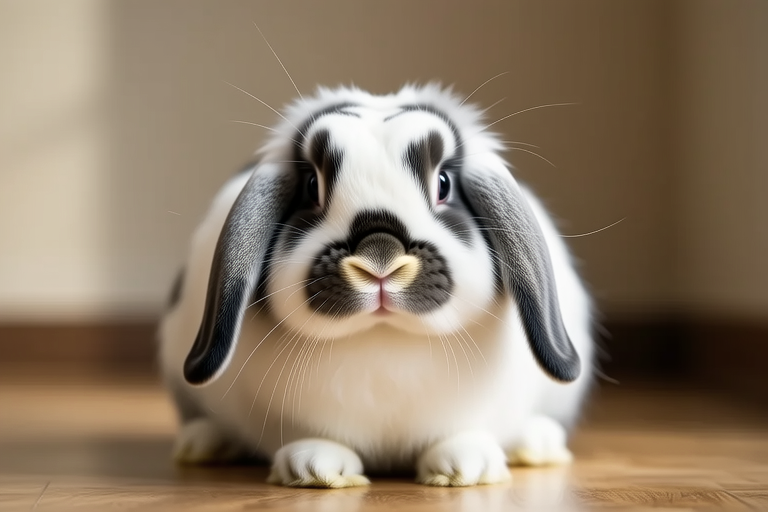
Lop Rabbits: Gentle Companions for Families and Individuals
Lop rabbits have long been cherished by pet owners for their distinctive floppy ears, endearing personalities, and suitability as family pets. These rabbits are not only visually appealing but also gentle and affectionate, making them excellent companions for both children and adults. In this comprehensive guide, we will explore the breeding process of lop rabbits, essential care tips, and the unique characteristics that set them apart from other rabbit breeds.
The Breeding Process of Lop Rabbits
Breeding lop rabbits requires careful planning and attention to ensure healthy offspring. The breeding season for lop rabbits typically runs from January to August, with females (does) coming into heat every three weeks during this period. It’s important to select healthy parent rabbits that exhibit desirable traits such as good temperament, robust health, and proper physical structure.
The gestation period for lop rabbits is approximately 31 days. After mating, the doe should be provided with a comfortable nesting box where she can prepare for her upcoming litter. This box should be filled with soft bedding material like hay or straw to allow the doe to build a cozy nest for her kits (baby rabbits).
Newborn lop kits are born hairless, blind, and deaf. They rely entirely on their mother for warmth, nourishment, and protection during the first few weeks of life. As they grow, the kits will develop fur, open their eyes, and become more independent. By the time they reach four weeks of age, the kits are usually weaned and ready to leave their mother.
Essential Care Tips for Lop Rabbits
Diet
A balanced diet is crucial for maintaining the health and well-being of lop rabbits. Their diet should primarily consist of high-quality hay, which provides essential fiber for digestive health. Fresh vegetables and fruits can be offered in moderation as treats, but it’s important to introduce new foods gradually to avoid digestive upset.
Commercial rabbit pellets can also be included in their diet, but they should not form the bulk of their meals. Overfeeding pellets can lead to obesity and other health issues. Additionally, always provide your lop rabbit with access to clean, fresh water.
Housing
Proper housing is essential for keeping lop rabbits happy and healthy. A spacious indoor or outdoor hutch is recommended, with dimensions that allow the rabbit ample room to move around comfortably. The hutch should be weatherproof, well-ventilated, and equipped with a solid floor to prevent sore hocks, a common condition in rabbits.
For indoor living, a large exercise pen can be used to create a safe space for your lop rabbit to explore. Indoor rabbits require regular opportunities for supervised free-roaming to maintain their mental and physical well-being. Ensure that all areas are rabbit-proofed to prevent accidental injuries or ingestion of harmful substances.
Grooming
Lop rabbits have a short, dense coat that requires regular grooming to keep it clean and tangle-free. Brushing your lop rabbit weekly helps remove loose hair and prevents matting. During shedding seasons, more frequent brushing may be necessary to manage excess fur.
Bathing is generally not required unless your lop rabbit gets particularly dirty or has skin issues. If bathing is necessary, use a mild, pet-safe shampoo and ensure the rabbit is thoroughly dried afterward to prevent chills.
Health Maintenance
Regular veterinary check-ups are vital for monitoring your lop rabbit’s health. Common health issues in rabbits include dental problems, gastrointestinal stasis, and respiratory infections. Providing a balanced diet, appropriate housing, and opportunities for exercise can help prevent many of these conditions.
Vaccinations against myxomatosis and viral hemorrhagic disease (VHD) are recommended for outdoor rabbits. Additionally, regular deworming and parasite control measures should be implemented to protect your lop rabbit from internal and external parasites.
Temperament and Suitability as Family Pets
Lop rabbits are known for their gentle and docile nature, making them ideal companions for families with children. Their calm demeanor and patience make them tolerant of handling and play, although it’s important to teach children how to interact with the rabbit gently and respectfully.
These rabbits enjoy human interaction and often form strong bonds with their owners. They are curious and playful, especially when given toys and activities to engage their minds. Providing mental stimulation through puzzle feeders, tunnels, and other interactive toys can help prevent boredom and destructive behavior.
Unique Traits of Lop Rabbits
One of the most striking features of lop rabbits is their large, floppy ears. These ears are not just a cosmetic feature; they also serve an important function in regulating body temperature. In addition to their distinctive ears, lop rabbits come in various colors and patterns, adding to their appeal as pets.
Another unique trait of lop rabbits is their relatively low energy levels compared to some other breeds. While they still require daily exercise and mental stimulation, lop rabbits tend to be more laid-back and content with lounging around than more active breeds.
Conclusion
Lop rabbits are delightful companions that bring joy and companionship to their owners. With their gentle nature, suitability for children, and unique traits, they make excellent pets for families and individuals alike. By following proper breeding practices, providing essential care, and nurturing their well-being, you can ensure that your lop rabbit lives a happy and healthy life. Whether you’re a seasoned rabbit owner or a novice, lop rabbits offer a rewarding and fulfilling experience as cherished members of your household.
