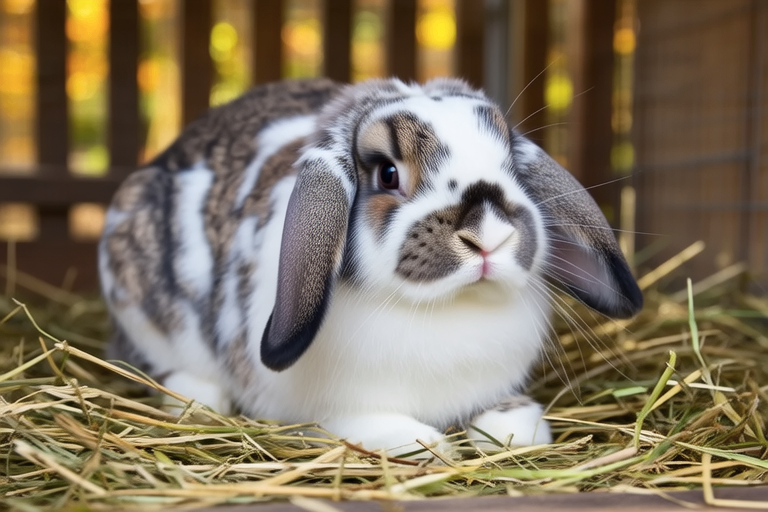
From Hopping to Happiness: Everything You Need to Know About Dutch Dwarf Rabbits
Dutch Dwarf rabbits have captured the hearts of many animal lovers with their charming appearance and delightful personalities. These compact, friendly creatures are among the most popular breeds of domestic rabbits. Their unique combination of size, temperament, and distinctive coat patterns makes them ideal companions for families and first-time pet owners alike.
The Popularity and Unique Characteristics of Dutch Dwarf Rabbits
Dutch Dwarfs are known for their small stature, typically weighing between 1.5 to 2.5 pounds. Despite their tiny size, they possess robust health and a long lifespan, often living up to ten years. Their compact build allows them to thrive in various environments, making them versatile pets that can adapt well to both indoor and outdoor settings.
One of the standout features of Dutch Dwarfs is their distinct coat pattern, which includes a white blaze on the face, contrasting eye circles, and a white belly. This classic marking gives them a striking and easily recognizable appearance. Their short, dense fur comes in a variety of colors, adding to their charm and appeal.
Physical Attributes, Temperament, and Common Colors
These rabbits have a round head, short ears, and a compact body structure. Their large eyes contribute to their expressive and endearing facial expressions. Dutch Dwarfs come in a wide range of colors, including black, blue, chocolate, lilac, and various combinations of these shades. The breed’s standard coat patterns include solid, broken, and marked varieties.
When it comes to temperament, Dutch Dwarfs are generally gentle, affectionate, and playful. They are intelligent and can be trained to recognize their names and respond to commands. Their curious nature makes them enjoy exploring their surroundings, and they often form strong bonds with their owners. However, like any pet, individual temperaments may vary, so it’s important to spend time getting to know each rabbit.
Detailed Care Instructions
Diet
Proper nutrition is crucial for the health and longevity of your Dutch Dwarf rabbit. Their diet should primarily consist of hay, which provides essential fiber and helps maintain healthy digestion. Fresh vegetables, such as leafy greens and carrots, can be offered in moderation. Pellets formulated specifically for rabbits should also be part of their daily intake but should not make up the majority of their diet.
Avoid feeding your rabbit foods high in sugar or fat, as these can lead to obesity and other health issues. Always provide fresh water in a clean bowl or bottle, ensuring it remains accessible at all times.
Housing
Dutch Dwarfs require a safe and comfortable living environment. A spacious cage or hutch with adequate ventilation is essential. The cage should be large enough for your rabbit to move around freely, stretch out, and engage in natural behaviors. The bottom of the cage should be lined with absorbent bedding, such as paper-based products or straw, to keep the area clean and dry.
For indoor living, consider providing a dedicated space with toys and tunnels for your rabbit to explore. Outdoor hutches should be weatherproof, offering protection from the elements. Ensure the hutch is securely fastened to prevent predators from accessing your pet.
Exercise Needs
Regular exercise is vital for maintaining your rabbit’s physical and mental well-being. Allow your Dutch Dwarf rabbit supervised playtime outside of its cage or hutch each day. This can take the form of hopping around a secure room or a designated outdoor area enclosed by a rabbit-proof fence.
Interactive toys and puzzles can help stimulate your rabbit’s mind and keep them engaged during play sessions. Providing tunnels, chew toys, and other enriching items will encourage exploration and prevent boredom.
Grooming
Dutch Dwarfs have short, dense coats that require regular grooming to prevent matting and hairballs. Brush your rabbit gently with a soft-bristled brush several times a week, paying special attention to areas prone to tangling, such as behind the ears and under the chin.
During shedding seasons, more frequent brushing may be necessary to remove loose fur. Additionally, trimming your rabbit’s nails every few weeks will help prevent overgrowth and discomfort. Consult a veterinarian if you’re unsure about proper nail trimming techniques.
Common Health Issues and Prevention
Like all animals, Dutch Dwarfs are susceptible to certain health issues. One common problem is dental disease, which can result from improper diet or genetics. Ensuring your rabbit has access to plenty of hay and avoiding sugary treats can help maintain dental health.
Otitis media, or ear infections, can also affect this breed. Regular cleaning of the ears and monitoring for signs of discomfort, such as scratching or head shaking, can aid in early detection and treatment. Gastrointestinal stasis, characterized by a slowdown in gut motility, is another concern. Keeping your rabbit hydrated and maintaining a balanced diet can reduce the risk of this condition.
Vaccinations and routine veterinary check-ups are essential for preventing and managing potential health issues. Establishing a relationship with a trusted veterinarian who specializes in exotic pets is highly recommended.
Selecting the Right Rabbit
When choosing a Dutch Dwarf rabbit, it’s important to select a reputable breeder or adopt from a reliable shelter. Look for a breeder who prioritizes the health and well-being of their animals, providing clean living conditions and regular veterinary care. Shelters often offer rabbits that have been spayed or neutered, reducing the risk of reproductive cancers and unwanted litters.
When meeting a potential pet, observe its behavior and overall appearance. A healthy rabbit should be alert, active, and have clear eyes and ears. Avoid rabbits that appear lethargic, have discharge from the nose or eyes, or exhibit abnormal breathing.
Training and Socialization
Training your Dutch Dwarf rabbit can strengthen the bond between you and your pet. Start by teaching basic commands, such as coming when called or sitting on command. Use positive reinforcement techniques, offering treats and praise for desired behaviors.
Socialization is equally important for fostering a well-adjusted rabbit. Introduce your pet to different people and environments gradually to help them become comfortable and confident. Providing opportunities for interaction with other rabbits, if appropriate, can also enhance their social skills.
The Rewarding Experience of Owning a Dutch Dwarf Rabbit
Owning a Dutch Dwarf rabbit can be a deeply fulfilling experience. These little bundles of joy bring endless entertainment and companionship to their owners. Watching them hop around, explore new environments, and interact with their human family members can bring immense joy.
The bond formed between a Dutch Dwarf rabbit and its owner is often strong and enduring. With proper care, attention, and love, these adorable pets can provide years of happiness and companionship. Whether you’re a first-time pet owner or an experienced rabbit enthusiast, Dutch Dwarfs offer a rewarding and enriching experience that will leave you hopping with happiness.
