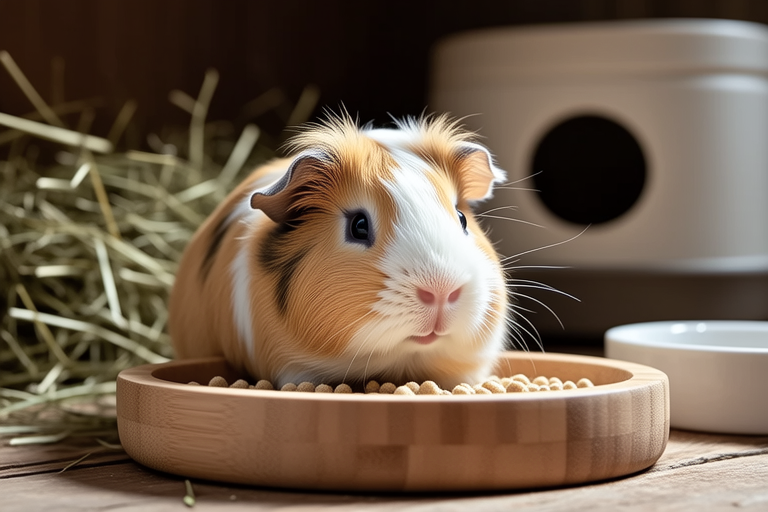
5 Surprising Facts About Guinea Pigs That Will Make You Rethink Your Next Pet
When you think of a guinea pig as a pet, you might imagine a cute, cuddly companion that’s easy to care for. While they are indeed adorable and can bring joy to your home, there’s much more to these small animals than meets the eye. Before making the decision to adopt one, it’s important to understand some surprising facts about guinea pigs that could influence your choice. Let’s dive into five lesser-known aspects of guinea pig life that will make you rethink your next pet.
Fact 1: Guinea Pigs Are Social Creatures Who Need Companionship
One of the most surprising things about guinea pigs is their need for social interaction. Unlike many other small pets, guinea pigs are highly social animals that thrive in the company of others. In the wild, they live in large groups, and this social structure is essential for their well-being. As a result, guinea pigs kept alone can become depressed or anxious. If you’re considering adopting a guinea pig, it’s best to get at least two, preferably from the same litter. They will bond closely and provide each other with the companionship they need. This social aspect means that guinea pigs require more attention and interaction from their human caregivers too, ensuring they don’t feel isolated.
Fact 2: Guinea Pigs Have Complex Dietary Needs
Guinea pigs have specific dietary requirements that go beyond just providing them with hay and pellets. They are herbivores, meaning their diet consists primarily of plant matter. However, what sets them apart is their need for vitamin C. Unlike most mammals, guinea pigs cannot synthesize vitamin C, so it must be provided through their diet. Deficiency in vitamin C can lead to scurvy, a serious condition that can cause joint pain, weakness, and even death. To ensure your guinea pig stays healthy, feed them fresh fruits and vegetables rich in vitamin C, such as oranges, bell peppers, and strawberries. Additionally, hay should make up the majority of their diet, providing essential fiber for their digestive system. Understanding and meeting these dietary needs is crucial for maintaining your guinea pig’s health.
Fact 3: Guinea Pigs Communicate Through Unique Vocalizations
Did you know that guinea pigs have a wide range of vocalizations to express themselves? These little creatures can make a variety of sounds, each with its own meaning. For instance, a high-pitched squeak usually indicates excitement or happiness, while a rumble can signal contentment. A wheek is often used when they want attention or food. Some guinea pigs may even purr, similar to cats, when they are relaxed and comfortable. Learning to interpret these sounds can help you better understand your pet’s needs and emotions. Their vocal repertoire is a fascinating aspect of their behavior that adds depth to their interactions with humans.
Fact 4: Guinea Pigs Require Regular Exercise
Contrary to popular belief, guinea pigs need regular exercise to stay healthy and happy. Despite their small size, they are active animals that benefit from time outside their cage. Providing a safe play area, free from hazards like electrical cords and toxic plants, allows them to explore and exercise. Exercise is vital for their physical and mental health, helping to prevent obesity and boredom. Boredom can lead to destructive behaviors, so engaging toys and activities are also important. Consider purchasing tunnels, chew toys, and wheels (designed specifically for guinea pigs) to keep them entertained. Ensuring your guinea pig has adequate space and stimulation is key to their overall well-being.
Fact 5: Guinea Pigs Have Distinct Personalities
Each guinea pig has its own unique personality, much like dogs or cats. Some may be shy and reserved, while others are outgoing and adventurous. Getting to know your guinea pig’s individual traits can enhance your bond and help you provide the best care possible. Spend time observing their behavior and preferences to understand what makes them happiest. For example, some guinea pigs enjoy being handled, while others prefer to interact on their terms. Paying attention to these nuances can lead to a stronger connection between you and your pet, making their presence even more rewarding.
Why These Facts Matter for Potential Owners
Understanding these surprising facts about guinea pigs can significantly impact your decision to adopt one. The social nature of guinea pigs means they need companionship, which requires commitment to provide another guinea pig or spend quality time with them. Their dietary needs highlight the importance of a balanced diet rich in vitamin C to prevent health issues. The complexity of their vocalizations showcases the depth of their communication, offering a unique way to connect with your pet. Regular exercise is necessary for their physical and mental health, ensuring they remain active and engaged. Lastly, recognizing their distinct personalities can lead to a deeper bond and a more fulfilling relationship.
Before bringing a guinea pig into your home, take the time to research and prepare. Make sure you’re ready to meet their social, dietary, and exercise needs. By doing so, you’ll provide your new pet with a loving and enriching environment where they can thrive. Adopting a guinea pig is a rewarding experience, but it comes with responsibilities. With the right knowledge and dedication, you can ensure your guinea pig leads a happy, healthy life.
