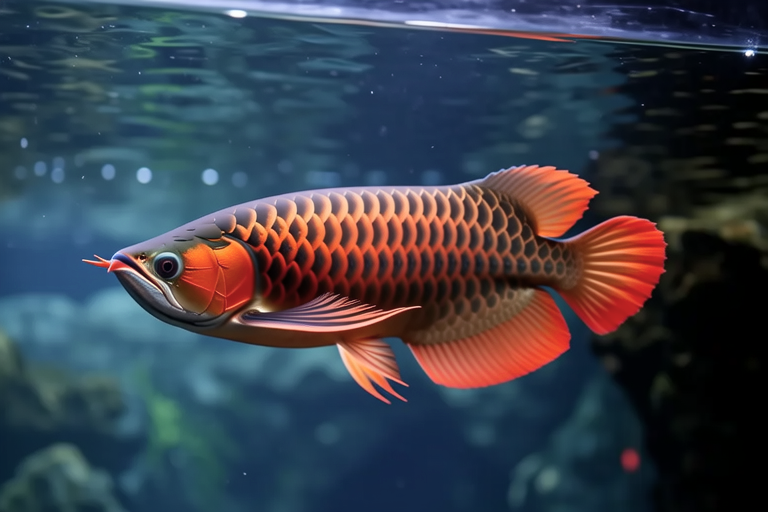
Aquarium Royalty: Caring for Your Exotic Arowana Pet
Welcome to the world of Aquarium Royalty! Among the vast array of aquatic creatures that grace our tanks, none quite embody the essence of regal majesty like the arowana. Known as ‘Dragon Fish’ due to their unique appearance and behavior, these ancient fish have been revered for centuries. Their scales shimmer with metallic hues, and their powerful bodies exude an air of dominance. This article will guide you through the intricacies of keeping an arowana as your pet, from setting up the perfect habitat to ensuring their optimal health and well-being.
Setting Up the Royal Habitat
Creating a home for your arowana requires careful planning and attention to detail. These fish need ample space to swim and thrive, so it’s crucial to invest in a large tank. A minimum size of 240 gallons is recommended for a single adult arowana, but larger tanks provide more room for movement and reduce stress. Water quality is paramount; maintain temperatures between 78-86°F and ensure pH levels remain stable at around 6.5-7.5.
Filtration systems must be robust enough to handle the waste produced by these voracious eaters. High-quality filters capable of managing ammonia, nitrite, and nitrate levels are essential. Regular water changes (about 10-20% weekly) help keep the environment pristine. Additionally, incorporate plenty of open swimming areas and some hiding spots to mimic their natural habitat.
Dietary Needs and Feeding Habits
Arowanas are carnivorous predators with specific dietary preferences. In the wild, they feed on insects, small fish, and crustaceans. Replicating this diet in captivity involves offering high-protein foods such as frozen or live feeder fish, earthworms, crickets, and shrimps. It’s important to vary their diet to ensure balanced nutrition. Feed them once or twice daily, providing only what they can consume within five minutes to prevent overfeeding.
Nutritional supplements may be necessary to support growth and overall health. Consult with a veterinarian specializing in exotic pets for personalized recommendations based on your arowana’s age, size, and specific dietary needs.
Health Issues and Preventive Care
Like any pet, arowanas are susceptible to various health problems. Common issues include bacterial infections, parasitic infestations, and fin rot. Early detection is key, so familiarize yourself with typical signs of illness: lethargy, loss of appetite, unusual swimming patterns, visible sores, or discoloration. If you notice any concerning symptoms, seek veterinary assistance immediately.
To minimize risks, maintain impeccable tank hygiene and monitor water parameters diligently. Quarantine new additions to the tank before introducing them to prevent disease transmission. Regular check-ups with a professional can also catch potential issues early.
Social Interactions and Handling Tips
Arowanas tend to be solitary by nature but can coexist peacefully with similarly sized, non-aggressive species. However, introducing new tank mates should always be done cautiously. Avoid housing them with smaller fish or those that might compete for food resources. Compatible companions include certain cichlids, plecos, and catfish.
Handling your arowana should be avoided unless absolutely necessary, as they can become stressed easily. When interaction is required, use a soft net rather than hands to avoid injuring them. Always approach calmly and slowly to prevent startling your fish.
The Commitment Required
Owning an arowana demands significant dedication and responsibility. From the initial investment in equipment to ongoing maintenance costs, there’s much to consider. However, the rewards far outweigh the challenges. Watching these magnificent creatures grow and flourish brings immense satisfaction. Their beauty and presence add a touch of elegance to any aquarium setup.
Remember, caring for an arowana is a long-term commitment. They can live upwards of two decades under ideal conditions, making each day spent with them precious. With proper care and attention, you’ll enjoy years of companionship with one of nature’s most fascinating creatures.
