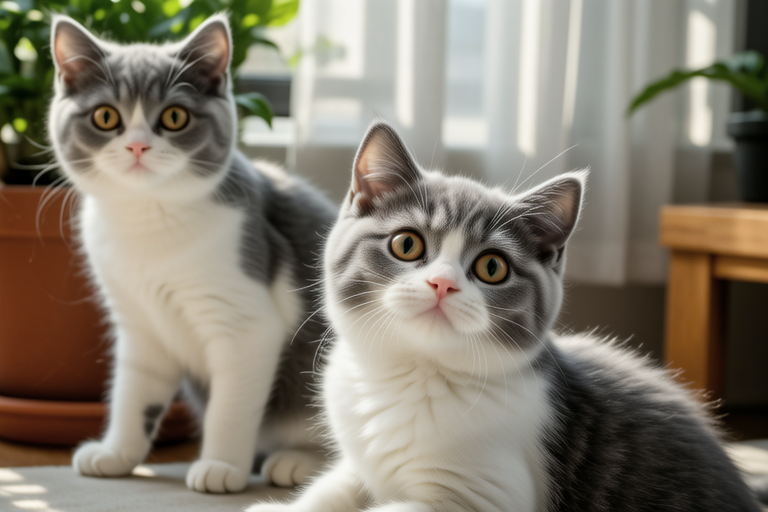
Adorable Munchkins: The Cats with Uniquely Short Legs
Welcome to the fascinating world of munchkin cats! These charming felines are known for their unusually short legs, which give them a distinct appearance that has captured the hearts of many cat lovers. In this article, we will explore the origins of the munchkin cat, discuss the genetics behind their short legs, dispel common myths, and provide essential information for those considering adopting one of these delightful creatures.
The Origin and Distinctive Features of Munchkin Cats
Munchkin cats first appeared in the United States in the late 1980s when a short-legged female cat was discovered. This cat, named Blackberry, was the progenitor of the breed. Her offspring inherited her unique trait, leading to the development of the munchkin cat breed. These cats are not only adorable but also possess a playful and affectionate personality, making them wonderful companions.
The most striking feature of munchkin cats is their short legs. This characteristic is due to a dominant gene mutation that affects the long bones in their legs, resulting in a shorter stature. Despite their diminutive size, they are robust and agile, capable of surprising feats of athleticism. Their short legs do not hinder their ability to leap, run, or play; instead, they add to their endearing charm.
Genetics Behind the Short Legs
The gene responsible for the munchkin’s short legs is called the Mnm (munchkin) gene. It is a dominant gene, meaning that if a cat inherits even one copy of the gene from either parent, it will have short legs. However, this gene can also cause certain health issues, leading to misconceptions about the breed’s well-being.
One common myth is that munchkin cats suffer from severe spinal problems due to their short legs. While it is true that some individuals may experience skeletal issues, the majority of munchkin cats lead healthy lives without significant health problems. Responsible breeding practices, such as avoiding mating two munchkins with the Mnm gene together, help minimize the risk of health complications.
Affectionate and Playful Nature
Munchkin cats are renowned for their loving and playful personalities. They are highly social animals that enjoy interacting with their human families. These cats are often found lounging on laps, seeking attention, and engaging in interactive play. Their curiosity and intelligence make them excellent companions, always ready for a game or a cuddle.
These felines are adaptable to various environments, thriving in both small apartments and spacious homes. They require regular mental stimulation and physical activity to maintain their health and happiness. Providing toys, scratching posts, and climbing structures can keep them entertained and prevent boredom.
Ideal Living Conditions
Munchkin cats are well-suited for indoor living, as their short legs make them more vulnerable to outdoor dangers such as cars and predators. Ensuring a safe, stimulating environment within your home is crucial for their well-being. They thrive in households where they receive plenty of love, attention, and interaction.
Creating a space that encourages exploration and play is essential. Munchkins enjoy climbing and jumping, so providing vertical spaces like shelves or cat trees can satisfy their natural instincts. Additionally, regular grooming is necessary to keep their coat healthy and free from tangles.
Common Health Concerns
While munchkin cats generally enjoy good health, there are some specific health concerns to be aware of. Due to their unique leg structure, they may be prone to joint problems such as arthritis. Regular veterinary check-ups and a balanced diet can help manage these conditions effectively.
Another potential issue is pectus excavatum, a condition where the sternum is sunken into the chest cavity. This can affect the heart and lungs, so it is important to monitor their respiratory function and seek veterinary advice if you notice any signs of distress.
Comparison with Other Cat Breeds
When compared to other cat breeds, munchkin cats stand out for their unique appearance and personality. For example, while Siamese cats are known for their vocal communication and sleek bodies, munchkin cats offer a different kind of charm with their short legs and affectionate demeanor.
Breeds like the Maine Coon, famous for their large size and gentle nature, provide a stark contrast to the compact and playful munchkin. Similarly, the Abyssinian, recognized for its athletic abilities and curious behavior, differs in its slender build and energetic lifestyle. Each breed has its own set of characteristics, making them appealing to different types of pet owners.
Tips for Potential Owners
If you’re considering adopting a munchkin cat, here are some tips to ensure a happy and healthy life for your new companion:
- Research Breeders: Choose a reputable breeder who prioritizes the health and well-being of their cats. Responsible breeders will provide health clearances and detailed information about the breed.
- Prepare Your Home: Create a safe and stimulating environment for your munchkin. Provide plenty of toys, scratching posts, and climbing structures to keep them active and engaged.
- Regular Vet Visits: Schedule routine veterinary check-ups to monitor your cat’s health and address any potential issues early. Vaccinations and parasite prevention are essential for maintaining their well-being.
- Healthy Diet: Feed your munchkin a balanced diet appropriate for their age and activity level. Consult with your veterinarian to determine the best nutrition plan for your cat.
- Love and Attention: Munchkin cats thrive on love and attention. Spend quality time with your cat, playing, grooming, and simply enjoying each other’s company.
Munchkin cats bring immense joy and companionship to their owners. Their playful, affectionate nature, combined with their unique appearance, makes them a delightful addition to any household. By understanding their needs and providing proper care, you can ensure a long and happy life for your munchkin cat.
In conclusion, munchkin cats are not just another breed but a testament to the diversity and wonder of the feline world. Their short legs, loving nature, and adaptability make them cherished pets for many. If you’re looking for a special companion, consider adopting a munchkin cat and experience the unparalleled joy they bring into your life.
