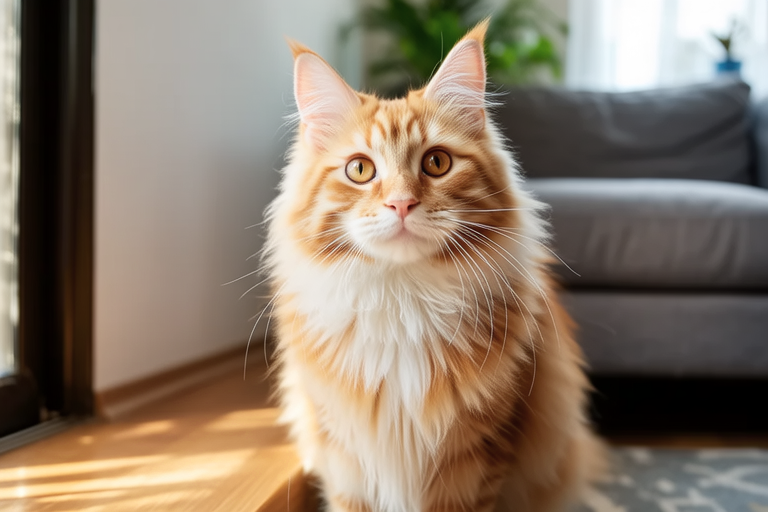
Living with an Orange Cat: Tips and Tricks for Happy Paws
Welcome to the vibrant world of orange cats! These beautiful felines are not just a splash of color; they bring warmth, playfulness, and charm into any home. Whether you’re a seasoned cat owner or welcoming your first kitty, this guide will help you understand the unique traits of orange cats and provide practical tips to ensure your orange companion lives a happy, healthy life.
The Unique Traits of Orange Cats
Orange cats, often referred to as ginger or marmalade cats, are known for their striking fur and playful personalities. Did you know that genetics plays a significant role in their coloring? The gene responsible for producing orange pigment is linked to the X chromosome, which explains why there are more male orange cats than females. This genetic quirk also means that orange tabby patterns are quite common among these felines.
One of the most delightful aspects of owning an orange cat is their sociable nature. Many owners report that their orange kitties are more outgoing and affectionate compared to other breeds. My friend Sarah, who has two orange tabbies, shares that her cats are always ready for a cuddle session or a game of fetch. Their bright eyes and soft purrs make them perfect companions for those seeking constant companionship.
Tips for Creating a Stimulating Environment
To keep your orange cat entertained and engaged, it’s essential to create a stimulating environment. Start by providing plenty of vertical space. Cats love to climb and explore, so invest in a tall cat tree or a set of shelves that allow your pet to reach new heights. My neighbor’s cat, Whiskers, spends hours lounging on his favorite perch, watching the world go by.
In addition to vertical spaces, interactive toys can help keep your orange cat mentally sharp. Consider purchasing puzzle feeders or toys that dispense treats when manipulated. These toys encourage problem-solving skills and provide mental stimulation. Remember, a bored cat can become destructive, so it’s crucial to offer various forms of entertainment.
Another way to enrich your orange cat’s environment is by introducing new scents and textures. Rotate different types of bedding, use catnip sprays, or place a few cat-friendly plants around the house. These changes can pique your cat’s curiosity and prevent boredom.
Dietary Recommendations
Nutrition is key to maintaining your orange cat’s health and vitality. High-quality, protein-rich diets are ideal for cats, and this holds true for orange cats as well. Look for foods that contain real meat as the primary ingredient. Omega-3 fatty acids are particularly beneficial for maintaining a healthy coat, which is especially important for orange cats with their vibrant fur.
Portion control is equally important. Overfeeding can lead to obesity, a common issue among indoor cats. Measure out meals carefully and avoid leaving food out all day. If you have multiple cats, consider feeding them separately to ensure each one gets the appropriate amount.
Hydration is another critical aspect of a balanced diet. While cats may not drink as much water as dogs, it’s essential to provide fresh, clean water at all times. Some cats prefer running water, so consider investing in a water fountain designed for pets.
Grooming Advice
Regular grooming is vital for keeping your orange cat’s coat shiny and free from tangles. Brushing your cat at least once a week can help remove loose hair and distribute natural oils throughout the fur. Use a soft-bristled brush or a slicker brush, depending on your cat’s coat type.
Bathing isn’t usually necessary for indoor cats, but if your orange cat gets particularly dirty, a gentle bath might be needed. Be sure to use a cat-specific shampoo and keep the water lukewarm. After bathing, dry your cat thoroughly to prevent chills.
Trimming nails regularly is also part of proper grooming. If you’re unsure about how to do this safely, ask your veterinarian for guidance. Regular nail trims can help prevent scratching damage to furniture and keep your cat comfortable.
Common Health Issues
While orange cats are generally healthy, they can be prone to certain health conditions. One of the most common issues is gingivitis, which can lead to dental problems if left untreated. Regular dental care, including brushing your cat’s teeth and providing dental treats, can help maintain oral health.
Obesity is another concern for many indoor cats, including orange ones. As mentioned earlier, portion control and regular exercise are essential for preventing weight gain. Obesity can lead to a variety of health problems, including diabetes and joint issues.
Hyperthyroidism is another condition that can affect older cats. Symptoms include increased appetite, weight loss, and restlessness. If you notice any of these signs, consult your veterinarian for diagnosis and treatment options.
Building a Strong Bond with Your Orange Cat
Creating a strong bond with your orange cat involves consistent interaction and positive reinforcement. Spend time playing with your cat daily, using toys that stimulate their hunting instincts. Interactive play sessions can strengthen the bond between you and your pet while providing necessary physical activity.
Positive reinforcement, such as rewarding good behavior with treats or praise, can also enhance your relationship. Training your cat to perform simple tricks or respond to commands can be a fun way to deepen your connection. My cat, Mocha, loves to sit on command, and we’ve built a special routine around this trick.
Lastly, remember that every cat is unique. Pay attention to your orange cat’s preferences and adjust your approach accordingly. Some cats enjoy cuddling, while others prefer more independent playtime. Understanding your cat’s individual needs will help you build a stronger, more meaningful bond.
Conclusion
Living with an orange cat is a joyous experience filled with warmth, playfulness, and companionship. By understanding their unique traits, creating a stimulating environment, providing proper nutrition, maintaining good grooming habits, addressing common health issues, and building a strong bond, you can ensure your orange cat leads a happy, healthy life. With a little patience and care, your orange cat will bring endless joy and laughter to your home.
