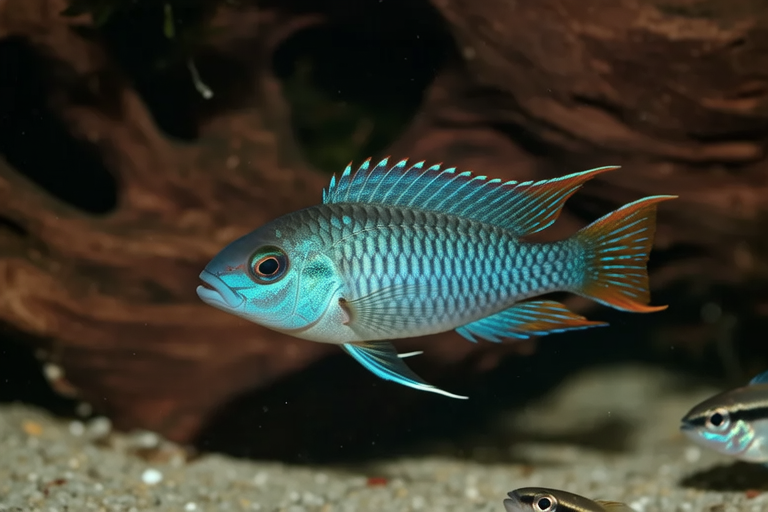
From Tiny Fry to Tank Dominator: The Remarkable Journey of Rajah Cichlid
The world of freshwater aquariums is rich with fascinating species, each with its own unique charm and challenges. Among these, the Rajah cichlid stands out as a particularly intriguing choice for aquarists. Known scientifically as Aequidens rivulatus, this species is celebrated for its vibrant colors, robust nature, and impressive growth potential. This article delves into the life cycle of the Rajah cichlid, from its early stages as a tiny fry to its eventual status as a tank dominator.
Unique Characteristics of the Rajah Cichlid
The Rajah cichlid is a medium-sized cichlid, typically reaching lengths of up to 10 inches. It is distinguished by its striking appearance, featuring a predominantly silver body with black spots scattered across its sides and fins. These spots can vary in size and intensity, often becoming more pronounced as the fish matures. The dorsal fin is elongated and adorned with a red margin, adding to the fish’s visual appeal. Males are generally larger and more vibrantly colored than females, making them easier to identify.
Beyond its aesthetic qualities, the Rajah cichlid is notable for its hardiness and adaptability. Originating from the Amazon River basin in South America, this species has evolved to thrive in environments characterized by strong currents and fluctuating water parameters. As a result, they are well-equipped to handle changes in their surroundings, making them a popular choice among both novice and experienced aquarists.
Natural Habitat and Ideal Tank Conditions
In its natural habitat, the Rajah cichlid is found in the fast-flowing waters of the Amazon River and its tributaries. These environments are marked by sandy or rocky substrates, dense vegetation, and ample hiding spots. To replicate these conditions in a home aquarium, it is essential to provide similar features. A spacious tank with a capacity of at least 55 gallons is recommended for a single adult Rajah cichlid, allowing it sufficient room to swim and establish territories.
Water quality plays a crucial role in the health and longevity of the Rajah cichlid. The pH level should be maintained between 6.0 and 7.5, with a temperature range of 75-82°F. Regular water changes (about 20% weekly) are necessary to ensure optimal water quality. Additionally, the use of a high-quality filtration system that can handle strong water flow is beneficial, simulating the natural currents the species is accustomed to.
Substrate and decor are also important considerations. A sandy or fine gravel substrate is preferred, as it mimics the natural riverbed. Decorations such as rocks, driftwood, and plants provide hiding spots and territorial boundaries. Live plants like Java fern or Anubias are excellent choices, as they help maintain water quality and offer additional cover.
Lifecycle from Fry to Adulthood
Fry Stage
The journey begins when the female Rajah cichlid lays her eggs, usually numbering between 100-200. These are typically deposited on a flat surface within the tank, such as a rock or piece of driftwood. The eggs are guarded closely by both parents until they hatch after approximately three days. The newly hatched fry are tiny, measuring just a few millimeters in length.
During this early stage, the fry rely entirely on their yolk sacs for nutrition. They remain under the watchful eyes of their parents for another week, during which time they develop their swimming abilities and begin to feed independently. Providing infusoria or commercially available fry food ensures they receive the necessary nutrients for growth.
Early Juvenile Stage
As the fry grow, they transition into early juveniles, developing more pronounced coloration and patterns. At around one month old, they reach about half an inch in length and start to show signs of their future adult characteristics. This stage is critical for establishing feeding habits and social interactions.
At this point, it is advisable to introduce a variety of foods, including finely chopped vegetables, protein-rich foods like brine shrimp, and commercial cichlid pellets. Ensuring a balanced diet supports rapid growth and helps prevent malnutrition-related issues. Regular monitoring of water parameters is also essential to maintain a stable environment conducive to healthy development.
Mature Juvenile Stage
By the age of six months, the Rajah cichlid enters the mature juvenile stage, growing to about four inches in length. During this phase, the fish exhibits more aggressive behavior as it prepares to establish its territory within the tank. Male juveniles may begin to display territorial markings, while females may show signs of sexual maturity.
To accommodate these changes, consider rearranging tank decorations to create distinct territories. Introducing new tankmates cautiously during this period is vital to avoid conflicts. Continued attention to diet and water quality remains paramount, with a focus on providing high-protein foods that support muscle development and overall vitality.
Adulthood
Upon reaching adulthood, the Rajah cichlid fully develops its characteristic appearance and behavior. Males become noticeably larger and more colorful, while females continue to exhibit a more subdued palette. Adult Rajah cichlids are known for their assertive demeanor, often establishing dominance over other fish in the tank.
Adults require a varied diet rich in proteins and vitamins to maintain their health and energy levels. High-quality cichlid pellets, live and frozen foods like bloodworms and krill, and occasional plant matter form a well-rounded diet. Regular health checks and maintenance of water parameters are crucial to prevent diseases and ensure the fish’s longevity.
Common Behaviors and Dietary Needs
The Rajah cichlid is a highly active and curious fish, often displaying territorial behavior. In the wild, males establish and defend breeding territories, while females tend to the eggs and fry. In captivity, this instinct manifests through aggression towards other fish, especially those of the same species. Providing ample hiding spots and ensuring a large enough tank can mitigate some of this aggression.
Dietary needs play a significant role in shaping the Rajah cichlid’s behavior. A well-fed fish is less likely to engage in aggressive behavior due to competition for food. Offering a diverse diet that includes high-protein foods supports muscle development and energy levels, contributing to a healthier and more content fish. Additionally, dietary influences can impact reproductive readiness and success.
Maintaining a Healthy Environment for the Fully Grown Rajah Cichlid
Once the Rajah cichlid reaches adulthood, maintaining a healthy and stimulating environment becomes paramount. A spacious tank with adequate filtration and regular water changes continues to be essential. The use of biological filtration media, such as ceramic rings or bio balls, helps maintain water clarity and supports beneficial bacteria populations.
Providing mental stimulation is equally important. Incorporate interactive elements like sinking pellets or frozen foods that encourage foraging behavior. Regularly rearrange tank decor to prevent boredom and stimulate natural territorial behaviors. Monitoring water parameters closely and addressing any issues promptly ensures the fish’s continued well-being.
Finally, consider the social dynamics within the tank. While Rajah cichlids are generally peaceful when provided with ample space, overcrowding or the introduction of incompatible species can lead to stress and aggression. Select tankmates carefully, choosing species that are similarly sized and temperamentally compatible.
In conclusion, the journey from tiny fry to tank dominator for the Rajah cichlid is a testament to its resilience and adaptability. By understanding its unique characteristics, replicating its natural habitat, and providing attentive care throughout its lifecycle, aquarists can ensure that their Rajah cichlid thrives as a vibrant and commanding presence in the aquarium. With proper care and attention, these remarkable fish can bring years of enjoyment and fascination to any aquarium enthusiast.
