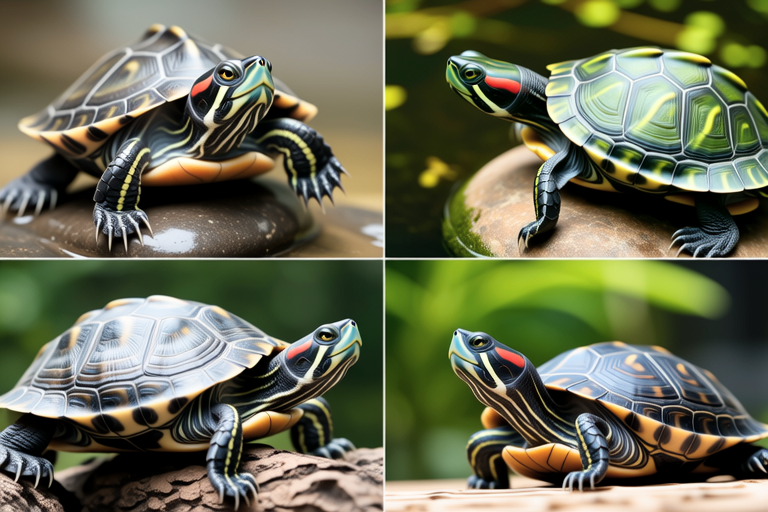
From Egg to Adult: A Journey Through the Life Stages of a Red-Eared Slider
The red-eared slider (Trachemys scripta elegans) is one of the most popular pet turtles in the world. Their vibrant appearance, relatively easy care, and long lifespan make them an attractive choice for many reptile enthusiasts. This article will guide you through the life stages of a red-eared slider, from breeding and egg-laying to adulthood, providing insights into their care and maintenance at each stage.
Breeding and Egg-Laying
Red-eared sliders reach sexual maturity between 2 and 5 years of age, depending on their size and living conditions. Mating usually occurs during spring and summer when water temperatures are warm. The male swims around the female, tapping her head or shell with his long front claws. If the female is receptive, she allows the male to mount her.
After mating, the female looks for a suitable nesting site, typically a sandy or soft soil area near the water. She digs a hole using her hind legs and lays 4 to 20 eggs, depending on her age and size. The eggs are oval-shaped, about 1.5 inches long, and have a leathery, white shell. Once laid, the female covers the nest with soil and leaves the eggs to incubate naturally.
The incubation period lasts approximately 60 to 90 days, depending on temperature. For successful incubation, the eggs require specific environmental conditions:
- Temperature: Ideal incubation temperature ranges between 82°F and 86°F (28°C to 30°C). Higher temperatures can result in shorter incubation periods but may increase the risk of deformities. Lower temperatures can lead to longer incubation periods and potentially reduce hatch rates.
- Humidity: Maintaining humidity levels between 70% and 80% is crucial to prevent the eggs from drying out. Use a hygrometer to monitor humidity levels and adjust as needed.
- Air Circulation: Ensure proper air circulation within the incubator to prevent mold growth and ensure healthy development.
Hatchling Care
Upon hatching, red-eared slider hatchlings are tiny, measuring only about 1 inch in length. They are fully independent and can swim and feed immediately after emerging from the egg. Hatchling care involves providing the right diet, habitat, and monitoring their health.
Diet
Hatchlings are primarily carnivorous, feeding on insects, small fish, and aquatic plants. Provide a varied diet to ensure they receive all necessary nutrients. Suitable foods include:
- Commercial turtle pellets
- Minnows or feeder fish
- Shrimp and worms
- Leafy greens like romaine lettuce and kale
Feed hatchlings daily, offering as much food as they can consume in 15 minutes. Remove any uneaten food to maintain water quality.
Habitat Setup
Provide a spacious tank that allows for swimming and basking. A general rule is to offer 10 gallons of water per inch of shell length. For example, a 3-inch slider requires a 30-gallon tank. Include a basking platform, such as a rock or log, positioned so that it remains dry and provides full-body heat exposure. Install a high-quality UVB light to help them synthesize vitamin D3, which aids calcium absorption.
Water quality is critical for hatchlings. Maintain clean water by performing regular water changes and using a filter. A water heater maintains a consistent temperature between 75°F and 80°F (24°C to 27°C).
Common Health Issues
Monitor hatchlings closely for signs of illness. Common health issues include:
- Metabolic Bone Disease (MBD): Caused by calcium deficiency, leading to weak bones and shells. Ensure proper lighting, calcium supplementation, and a balanced diet.
- Shell Rot: Fungal or bacterial infection affecting the shell. Keep water clean and dry the shell if it becomes submerged for extended periods.
- Respiratory Infections: Characterized by wheezing, nasal discharge, and lethargy. These infections are often linked to poor water quality or inadequate heating. Seek veterinary assistance promptly.
Juvenile Growth
As red-eared sliders grow, their dietary needs change. Juveniles are still carnivorous but begin to show a preference for plant matter. Offer a mix of commercial pellets, leafy greens, and occasional protein sources like earthworms and insects. Gradually increase the amount of vegetation in their diet as they mature.
Behavioral changes occur as juveniles grow. They become more active swimmers and baskers, spending more time outside the water. Provide ample space for swimming and basking, ensuring the basking area is easily accessible and large enough for the growing turtle.
The environment should evolve to accommodate the growing turtle. Increase the size of the tank as the turtle grows, aiming for at least 20 gallons per inch of shell length. Upgrade filters and heaters to handle larger volumes of water. Provide additional hiding spots and enrichment items, such as floating logs or artificial caves, to stimulate natural behaviors.
Adulthood Characteristics
Adult red-eared sliders reach sizes of 8 to 12 inches in length and can live up to 40 years. They exhibit distinct physical characteristics, including a dark green carapace with yellow stripes and a red patch behind each eye. Males develop longer tails and nails compared to females.
Adults are omnivores, consuming a variety of foods, including commercial pellets, vegetables, fruits, and occasional protein sources. Continue to provide a balanced diet, adjusting portion sizes based on the turtle’s activity level and weight.
Maintenance
Regular cleaning of the enclosure is essential to maintain water quality and prevent health issues. Perform partial water changes weekly, replacing 25% to 50% of the water. Clean the substrate and equipment regularly to remove algae and debris.
Monitor the turtle’s health regularly, checking for signs of illness such as lethargy, loss of appetite, or abnormal behavior. Annual veterinary check-ups are recommended to ensure optimal health.
Potential Health Concerns
Common health issues in adult red-eared sliders include:
- Metabolic Bone Disease (MBD): Prevented by providing adequate UVB lighting, calcium supplementation, and a balanced diet.
- Shell Rot: Managed by maintaining clean water and addressing any underlying issues causing stress or injury.
- Respiratory Infections: Treated with antibiotics prescribed by a veterinarian.
- Eye Problems: Caused by poor water quality or insufficient lighting. Improve water quality and ensure proper lighting to prevent these issues.
Lifelong Care Responsibilities
Owning a red-eared slider is a long-term commitment. Provide a stable, enriching environment that meets the turtle’s physical and psychological needs. Regularly update the enclosure as the turtle grows, ensuring it remains comfortable and safe.
Invest in a good relationship with a reptile veterinarian who can provide guidance and care throughout the turtle’s life. Be prepared to address any health issues promptly and provide ongoing education about proper care techniques.
Red-eared sliders are fascinating creatures with unique life stages and care requirements. By understanding and meeting their needs at each stage, you can ensure a happy, healthy, and long-lived companion.
