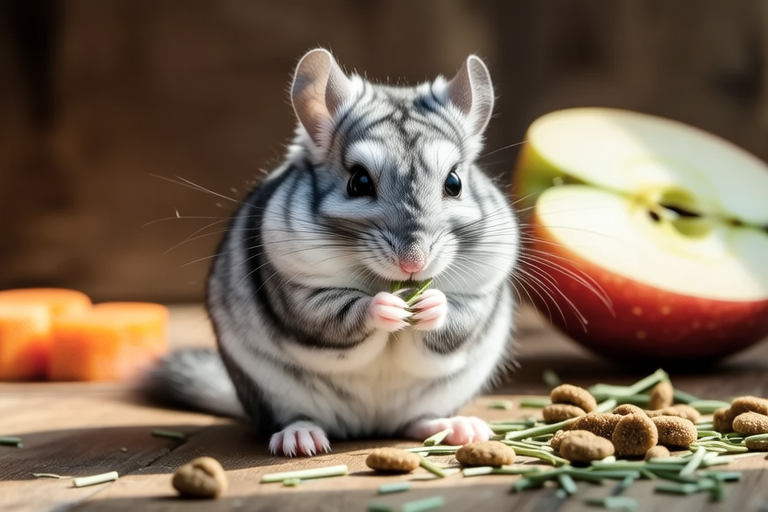
Chinchilla Diet Guide: What They Eat and Why It Matters
Chinchillas are small, adorable creatures that require a specialized diet to thrive. Their dietary needs are crucial for maintaining their health, ensuring their longevity, and preventing various health issues. Understanding what chinchillas eat and why it matters can significantly enhance your ability to care for these delightful pets. This guide will explore the primary components of a chinchilla’s diet, their nutritional benefits, and the importance of avoiding certain foods.
The Importance of a Balanced Diet for Chinchillas
Chinchillas are herbivores, primarily eating grasses and plants in the wild. Their digestive systems are designed to process high-fiber diets, which are essential for maintaining good health. A balanced diet not only provides necessary nutrients but also helps prevent dental problems, obesity, and gastrointestinal issues. Proper nutrition supports their active lifestyle, ensures healthy teeth and bones, and maintains their overall vitality.
Primary Components of a Chinchilla’s Diet
Hay: The Foundation of a Healthy Diet
Hay is the cornerstone of a chinchilla’s diet. It provides the fiber necessary for proper digestion and keeps their teeth worn down, preventing overgrowth. Timothy hay is often recommended for adult chinchillas due to its consistent quality and low calcium content, which is ideal for their dietary needs. Alfalfa hay, richer in calcium, protein, and calories, is more suitable for younger chinchillas or those recovering from illness. However, it should be limited for adult chinchillas as excessive calcium can lead to bladder stones.
Pellets: Providing Essential Nutrients
Chinchilla pellets are formulated to provide balanced nutrition when paired with hay. High-quality pellets are fortified with vitamins, minerals, and other essential nutrients that may not be present in sufficient quantities in hay alone. Look for pellets specifically designed for chinchillas, as they contain the right balance of nutrients tailored to their needs. Overfeeding pellets can lead to obesity and other health issues, so they should be provided in moderation.
Water: Hydration is Key
Chinchillas need constant access to fresh, clean water. Dehydration can cause serious health problems, including urinary tract infections and kidney failure. Water bottles with sipper tubes are preferred because they prevent contamination and ensure that the water remains clean. Regularly check and clean the sipper tube to prevent blockages and ensure your chinchilla has easy access to water.
Safe Treats: Occasional Indulgences
Treats should be given sparingly and should never exceed 1% of the total daily intake. Safe treats include fresh fruits like strawberries, blueberries, and apple slices (without seeds). Vegetables such as carrots, bell peppers, and cucumbers can also be offered in small quantities. Avoid sugary or starchy treats, as they can cause tooth decay and weight gain. Introduce new treats gradually to monitor your chinchilla’s reaction and ensure they don’t have any adverse effects.
Foods to Avoid
Several foods pose significant health risks to chinchillas and should be strictly avoided:
- High-Calcium Foods: Excessive calcium can lead to bladder stones. Limit or avoid foods like dairy products, spinach, and broccoli.
- High-Sugar and Starchy Foods: These can cause obesity, tooth decay, and digestive issues. Avoid sugary fruits, grains, bread, pasta, and processed foods.
- Toxic Plants: Certain plants, such as avocado, rhubarb, and tomato leaves, are toxic to chinchillas and can be fatal if ingested.
- Citrus Fruits: The acidity in citrus fruits can irritate a chinchilla’s stomach lining and should be avoided.
- Dry Beans: Raw or undercooked beans contain toxins harmful to chinchillas.
Maintaining a Balanced Diet
Providing a balanced diet for your chinchilla requires careful attention and regular monitoring. Here are some tips to help you maintain a healthy diet:
- Offer unlimited access to high-quality hay and pellets designed for chinchillas.
- Ensure fresh, clean water is always available.
- Introduce new treats gradually and in small quantities.
- Monitor your chinchilla’s weight and adjust their diet accordingly.
- Regularly consult with a veterinarian to tailor a diet plan specific to your chinchilla’s needs.
Understanding your chinchilla’s dietary requirements is crucial for their overall health and well-being. By providing a balanced diet rich in hay, pellets, and occasional safe treats, while avoiding harmful foods, you can ensure your chinchilla lives a long, happy life.
The Role of Veterinary Advice
Consulting a veterinarian is essential for tailoring a diet specific to your chinchilla’s individual needs. Veterinarians can provide guidance based on factors such as age, activity level, and any pre-existing health conditions. They can also recommend appropriate supplements if necessary and advise on the frequency and quantity of treats. Regular check-ups allow for early detection of potential health issues, ensuring prompt treatment and better outcomes.
In conclusion, understanding and adhering to a chinchilla’s dietary needs is vital for their health and happiness. By providing a balanced diet, avoiding harmful foods, and seeking professional advice, you can ensure your chinchilla enjoys a long, healthy life. With the right care and attention, your chinchilla will thrive and bring joy to your home for years to come.
