Common Health Issues in Leopard Geckos and How to Prevent Them
Introduction to Leopard Geckos and Their Popularity as Pets
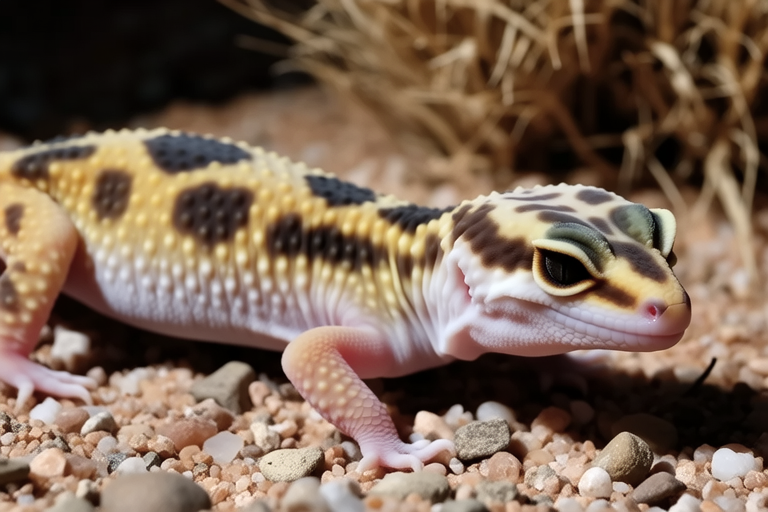
Leopard geckos have gained immense popularity among reptile enthusiasts due to their relatively easy care requirements and docile nature. These small lizards, native to the arid regions of Pakistan, India, and Afghanistan, are known for their distinctive spots and ability to thrive in captivity. Their nocturnal habits make them ideal pets for individuals who prefer low-maintenance companions that are active primarily at night. However, like all animals, leopard geckos can face various health challenges if not provided with the right environment and care.
Common Health Issues and Their Symptoms
Metabolic Bone Disease (MBD): Metabolic Bone Disease is one of the most prevalent health issues in leopard geckos. It occurs when there is an imbalance between calcium and phosphorus in the lizard’s body, often resulting from inadequate dietary intake or improper UVB lighting. Symptoms include weak limbs, swollen joints, softening of bones, and difficulty moving. Early detection is crucial; therefore, monitoring your gecko’s behavior and physical condition regularly is essential.
Impaction: Another common issue faced by leopard gecks is impaction, which happens when substrate particles or other foreign objects become lodged in the digestive tract. This can lead to severe discomfort, bloating, lethargy, and refusal to eat. Owners should be vigilant about observing changes in their pet’s appetite and activity levels.
Infectious Stomatitis (Mouth Rot): This bacterial infection affects the mouth area, causing redness, swelling, discharge, and sometimes difficulty eating. If left untreated, it can spread further into the body, leading to more serious complications. Regular inspection of your gecko’s mouth for any signs of inflammation or unusual growths is vital.
Parasites: Parasitic infestations can occur through contaminated food sources or unsanitary living conditions. Symptoms may include weight loss, diarrhea, lethargy, and visible worms or eggs around the anus. Maintaining cleanliness within the enclosure and providing fresh, safe food items will help prevent parasitic infections.
Respiratory Infections: Respiratory infections are another concern for leopard geckos, especially during colder months or when exposed to drafts. Signs include wheezing sounds while breathing, nasal discharge, labored respiration, and decreased activity. Ensuring proper heating and ventilation within the habitat is key to preventing these issues.
Prevention Strategies for Maintaining Optimal Health
To ensure the overall wellness of your leopard gecko, implementing specific measures regarding its diet, habitat setup, temperature controls, humidity levels, and hygiene practices is necessary:
- Dietary Needs: Providing a balanced diet rich in calcium and vitamin D3 helps maintain strong bones and overall health. Offer live insects such as crickets, dubia roaches, or mealworms dusted with calcium powder twice weekly. Supplemental vitamins should also be included occasionally but avoid overfeeding.
- Habitat Setup: Create a suitable environment that mimics their natural habitat by incorporating hiding spots, climbing structures, and a secure substrate. Avoid using loose substrates like sand or wood shavings as they pose risks of ingestion and impaction.
- Temperature Control: Maintain consistent daytime temperatures ranging from 88°F to 95°F under the basking spot and nighttime temperatures between 70°F and 75°F throughout the enclosure. Use thermometers to monitor these readings accurately.
- Humidity Levels: Leopard geckos require moderate humidity levels, typically between 30% and 40%. Too much moisture can foster mold growth and respiratory problems, whereas too little might cause shedding difficulties. Utilize hygrometers to measure humidity inside the vivarium.
- Hygiene Practices: Clean the enclosure regularly to eliminate waste products and potential pathogens. Remove uneaten food promptly after feeding sessions and disinfect surfaces with pet-safe cleaners every few weeks.
The Importance of Regular Veterinary Check-Ups
Despite taking all precautionary steps, some health concerns might still arise unexpectedly. Therefore, scheduling routine visits with a veterinarian specializing in exotic animals is highly recommended. They can perform comprehensive examinations, administer vaccinations if needed, and provide guidance tailored specifically to your gecko’s needs.
Conclusion: Emphasizing Owner Responsibility
As responsible pet owners, it falls upon us to prioritize our leopard geckos’ welfare by understanding potential threats and adopting preventive measures accordingly. By creating a nurturing home environment, offering nutritious meals, and seeking professional advice whenever necessary, we can contribute significantly towards extending our beloved companions’ lifespan and quality of life. Remember that every effort made today contributes positively towards ensuring their happiness tomorrow.
