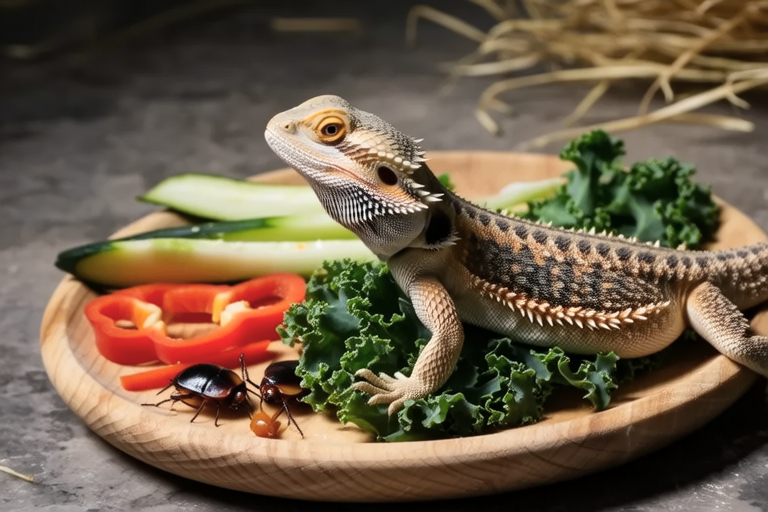
Bearded Dragon Diet: The Ultimate Guide to Feeding Your Scaly Companion
Welcome to the ultimate guide to feeding your bearded dragon! As a responsible reptile owner, understanding the dietary needs of your scaly companion is crucial for their health and longevity. This comprehensive article will cover essential nutrients, the importance of a varied diet, specific feeding guidelines based on age, gut-loading techniques, common feeding mistakes, hydration tips, supplement usage, and how to monitor your dragon’s health through diet.
Essential Nutrients for Bearded Dragons
Bearded dragons require a balanced diet rich in calcium, vitamins, and minerals. Calcium is vital for bone growth and development, preventing metabolic bone disease. Vitamin D3 aids in calcium absorption, while other vitamins like A, E, and K play important roles in maintaining overall health. Minerals such as phosphorus, magnesium, and potassium support various bodily functions.
The Importance of a Varied Diet
A varied diet consisting of insects, vegetables, and fruits ensures that your bearded dragon receives all necessary nutrients. Insects provide protein and fat, while vegetables offer fiber, vitamins, and minerals. Fruits can serve as occasional treats but should be given sparingly due to their high sugar content.
Feeding Guidelines Based on Age
Hatchlings (0-4 months)
Young bearded dragons need frequent meals throughout the day, with smaller portions. Feed them small insects like pinhead crickets or dubia roaches every day. Introduce finely chopped vegetables and leafy greens gradually. Avoid feeding fruits until they reach adulthood.
Juveniles (4-12 months)
Increase the portion size of insects and introduce larger species such as dubia roaches or mealworms. Continue offering a variety of vegetables and leafy greens daily. Gradually reduce the frequency of insect feedings as they grow older.
Adults (12+ months)
Adult bearded dragons can be fed insects twice a week and vegetables daily. Limit fruit intake to once or twice a week. Ensure that their diet remains balanced and nutritious by providing a wide range of food options.
Gut-Loading Feeder Insects
Gut-loading involves feeding insects a nutrient-rich diet before offering them to your bearded dragon. This process enhances the nutritional value of the insects, ensuring that your pet receives optimal nutrition. Use commercial gut-load products or create a homemade mixture containing fresh vegetables, fruits, and vitamin supplements.
Common Feeding Mistakes to Avoid
- Overfeeding: Excessive food can lead to obesity and other health issues.
- Underfeeding: Insufficient food can result in malnutrition and stunted growth.
- Improper supplementation: Overuse of supplements can cause imbalances.
- Feeding inappropriate foods: Certain plants and animals can be toxic or harmful.
Hydration Tips
Bearded dragons obtain most of their water from their food. However, providing a shallow water dish allows them to drink when needed. Mist their enclosure regularly to increase humidity levels, which encourages drinking behavior. Monitor your dragon’s hydration status by checking their skin elasticity and stool consistency.
Supplement Usage
Use calcium and multivitamin powders to ensure proper nutrition. Dust insects with calcium powder daily and apply multivitamins three times a week. Consult with a veterinarian or reptile specialist to determine the appropriate dosage based on your dragon’s age, weight, and dietary needs.
Monitoring Health Through Diet
Regularly observe your bearded dragon’s physical appearance, behavior, and feces to assess their health. Look for signs of dehydration, constipation, diarrhea, lethargy, or unusual body condition. Maintain accurate records of their diet, supplements, and any changes in behavior or health. Schedule routine veterinary check-ups to catch potential issues early.
In conclusion, providing a well-balanced and varied diet is essential for keeping your bearded dragon healthy and happy. By following these guidelines and paying close attention to their dietary needs, you can ensure that your scaly companion thrives under your care.
