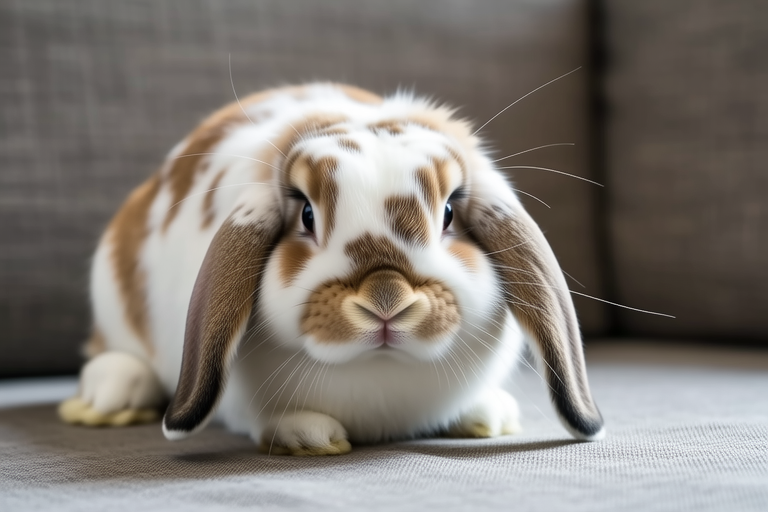
Lop Rabbits: The Perfect Companion for Every Home – Their Story and Care
Introduction
When it comes to selecting a furry companion, few options can match the charm and gentleness of Lop rabbits. These endearing creatures have captured the hearts of many pet owners with their droopy ears and affectionate nature. Lop rabbits are known for their calm demeanor and friendly disposition, making them an excellent choice for families and individuals alike. With a variety of sizes and coat colors, there’s a Lop rabbit that can fit perfectly into any home environment. This article will explore the history, varieties, and care requirements of Lop rabbits, providing valuable insights for both novice and seasoned pet owners.
The History and Varieties of Lop Rabbits
The origins of Lop rabbits trace back several centuries, with evidence suggesting they were bred in Europe during the Middle Ages. Initially, these rabbits were developed for their meat and fur, but over time, their appealing appearance made them popular as pets. Today, Lop rabbits come in various breeds, each with its own unique features. The most common types include the English Lop, French Lop, and Miniature Lop.
- English Lop: Known for their exceptionally long ears, which can reach up to 20 inches in length, these rabbits are often considered the largest among Lop breeds. They possess a robust body structure and a gentle temperament, making them ideal for handling and companionship.
- French Lop: Characterized by their compact size and thickset bodies, French Lops are renowned for their strong bone structure and dense coats. Their ears are shorter than those of the English Lop, typically measuring around 8 inches.
- Miniature Lop: As the smallest Lop breed, Miniature Lops are perfect for smaller living spaces. They retain the distinctive drooping ears and friendly nature of their larger counterparts, offering a delightful addition to any household.
Regardless of the specific breed, all Lop rabbits share certain characteristics that set them apart from other rabbit species. Their floppy ears, soft fur, and docile personalities make them stand out as exceptional pets. Understanding the different varieties and their specific traits helps potential owners choose the right Lop rabbit to suit their lifestyle.
Diet and Nutrition
Proper nutrition is crucial for maintaining the health and well-being of your Lop rabbit. A balanced diet should consist primarily of hay, supplemented with fresh vegetables and a limited amount of pellets. Timothy hay or orchard grass hay is recommended as the main component of their diet, providing essential fiber for digestive health.
Vegetables such as carrots, bell peppers, and leafy greens like spinach and kale can be offered in moderation. It’s important to introduce new foods gradually to avoid gastrointestinal upset. Water should always be available, preferably in a spill-proof bottle designed for rabbits.
Avoid feeding your Lop rabbit foods that are harmful to their health, such as chocolate, avocados, and rhubarb. Additionally, limit sugary fruits and starchy vegetables like potatoes, as excessive consumption can lead to obesity and dental problems.
Housing and Environment
Creating a suitable living space for your Lop rabbit is vital for their comfort and safety. An indoor cage or hutch is recommended, providing protection from predators and extreme weather conditions. The enclosure should be spacious enough to allow the rabbit to move freely and stretch out fully. For adult Lop rabbits, a minimum floor area of 4 square feet is advised, while younger rabbits may require less space initially.
The cage should include a solid bottom, lined with absorbent bedding material such as straw or shredded paper. Avoid using cedar or pine shavings, as these can irritate your rabbit’s respiratory system. Providing ample hiding spots and toys within the enclosure encourages mental stimulation and prevents boredom.
Regular cleaning of the living area is necessary to maintain hygiene. Remove soiled bedding daily and thoroughly clean the entire enclosure at least once a week. This helps prevent the buildup of bacteria and ensures a healthy environment for your pet.
Exercise Needs
Despite their relatively sedentary nature, Lop rabbits still require regular exercise to stay physically and mentally active. Daily playtime outside the cage allows them to stretch their legs and explore their surroundings. A safe, enclosed area free from hazards such as electrical cords and small objects is ideal for supervised exercise sessions.
Interactive toys and tunnels provide opportunities for mental engagement and physical activity. Boredom can lead to destructive behaviors, so incorporating enrichment activities into your rabbit’s routine is beneficial. Supervised outdoor play in a secure garden or yard can also be enjoyable, but ensure that the space is free from toxic plants and potential dangers.
Grooming and Maintenance
Maintaining your Lop rabbit’s coat requires consistent grooming to keep their fur healthy and free from mats. Regular brushing with a slicker brush helps remove loose hair and prevent tangles, especially during shedding seasons. Pay special attention to areas prone to matting, such as behind the ears and under the chin.
Bathing is generally unnecessary unless your rabbit becomes excessively dirty. If bathing is required, use a mild, pet-safe shampoo and ensure thorough rinsing to avoid skin irritation. After bathing, dry your rabbit completely to prevent chills.
Trimming nails regularly is important to prevent overgrowth, which can cause discomfort and difficulty walking. Consult with a veterinarian if you’re unsure about proper nail trimming techniques. Additionally, keeping the ears clean and free from debris promotes good ear health.
Common Health Issues
Like all animals, Lop rabbits are susceptible to certain health issues. Understanding these conditions and knowing how to prevent them can help ensure your pet’s longevity and well-being.
- Tooth Problems: Overgrown teeth can lead to painful mouth infections and difficulty eating. Providing plenty of hay and chew toys encourages natural tooth wear. Regular veterinary checkups allow early detection and treatment of dental issues.
- Gastrointestinal Stasis: A condition where the digestive tract slows down or stops functioning, gastrointestinal stasis can be fatal if left untreated. Ensuring a high-fiber diet and maintaining regular exercise helps prevent this condition. Prompt medical attention is crucial if symptoms such as decreased appetite or lethargy are observed.
- Skin Infections: Due to their dense coats, Lop rabbits are prone to skin infections, particularly in moist areas like the groin and between the toes. Keeping the living environment clean and dry reduces the risk of infection. Frequent grooming also aids in identifying any signs of skin issues early.
Regular visits to a veterinarian experienced in rabbit care are essential for monitoring your pet’s overall health. Vaccinations, parasite control, and routine examinations contribute to a longer, healthier life for your Lop rabbit.
Bonding and Integration
Building a strong bond with your Lop rabbit involves patience, consistency, and positive reinforcement. Begin by spending quiet time together in a familiar setting, allowing your rabbit to become comfortable with your presence. Offer treats and praise when interacting to create positive associations.
Gradually increase the duration and frequency of interactions, incorporating gentle handling and play sessions. Each rabbit has its own personality, so take cues from your pet regarding their comfort level and preferences. Some rabbits may enjoy being held, while others prefer sitting close by without physical contact.
Integrating your Lop rabbit into family life requires consideration of household dynamics. Ensure all family members understand the responsibilities of caring for a pet and respect the rabbit’s space and boundaries. Children should be taught proper handling techniques to avoid accidents or injuries.
Creating a harmonious environment for your Lop rabbit enhances their quality of life and strengthens the bond between you and your pet. By providing love, care, and attention, you’ll enjoy a rewarding companionship with your Lop rabbit for years to come.
