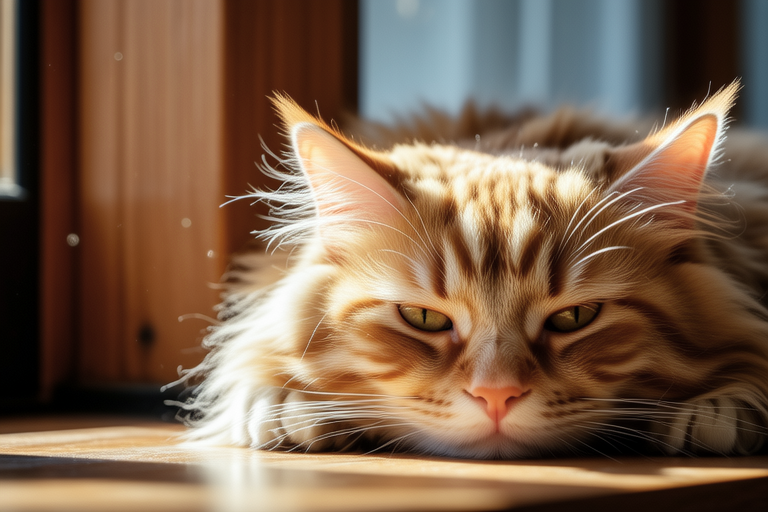
Adorable Moments: The Ultimate Guide to Orange Cat Behaviors
Welcome to the delightful world of orange cats! These feline companions have captured the hearts of many with their vibrant coats and charming personalities. Orange cats, often referred to as ginger or marmalade cats, are not only visually striking but also known for their unique behaviors that make them beloved pets. Their popularity stems from their playful, affectionate, and sometimes quirky characteristics. In this guide, we will explore the fascinating behaviors of orange cats, offering insights into their communication, dietary preferences, and health considerations. We’ll also provide tips for enhancing your bond with your orange cat and ensuring their happiness.
The Unique Charm and Popularity of Orange Cats
Orange cats are one of the most popular cat colors, with their warm, sunny coats bringing joy to households worldwide. Studies suggest that the gene responsible for orange fur is more prevalent in male cats, making them a rare sight in female populations. This color variation is not just about aesthetics; it often correlates with a distinct personality. Orange cats are frequently described as being more outgoing and sociable compared to other breeds, which contributes to their widespread appeal.
One reason for their popularity is their friendly demeanor. They are known to be great companions for families, including children and other pets. Their playful and curious nature makes them entertaining to watch, while their affectionate behavior ensures they are always ready for cuddles and attention.
Playful Antics and Affectionate Nature
Orange cats are renowned for their playful antics, often seen pouncing on toys or chasing after imaginary prey. This high energy can be attributed to their genetic predisposition to be more active than other cats. A study conducted by the University of California found that orange cats tend to engage in more interactive play with their owners, suggesting a higher level of social engagement.
Despite their energetic nature, orange cats are also incredibly affectionate. They love to be petted and enjoy spending time with their human companions. Many owners report that their orange cats are particularly fond of sitting on laps or curling up next to them on the couch. This close proximity not only strengthens the bond between owner and cat but also provides comfort and warmth.
Typical Sleeping Positions
When it comes to resting, orange cats have some favorite spots and positions. One of the most common is curling up into a tight ball, which helps them conserve body heat. Another popular position is stretching out on their backs, exposing their bellies, a sign of trust and relaxation. Some orange cats prefer elevated perches, such as window sills or shelves, where they can survey their surroundings while napping. These positions not only reflect their need for comfort but also their preference for safety and security.
Communication Methods
Orange cats communicate in various ways, much like other felines, but they often have their unique methods. Vocalization is one of the primary means of communication. Orange cats are known for their chirping sounds when they are excited or want attention. They may also meow more frequently, especially when they feel neglected or are seeking interaction. Another form of communication is through body language. For instance, a flick of the tail can indicate displeasure, while a slow blink conveys affection and trust.
Understanding these signals can help you better connect with your orange cat. Paying attention to their vocalizations and body language can give you insight into their needs and emotions, fostering a deeper bond between you and your pet.
Dietary Preferences
While orange cats don’t have specific dietary requirements different from other cats, there are certain foods that might suit them better. Many owners find that their orange cats enjoy wet food over dry food, as it provides more moisture and mimics their natural diet. Additionally, orange cats may have a preference for fish-based diets, possibly due to their ancestral origins.
It’s important to consult with a veterinarian to determine the best diet for your orange cat, taking into account their age, activity level, and any potential health issues. Providing a balanced diet rich in proteins and essential nutrients can help maintain their health and energy levels.
Health Considerations Specific to Orange Cats
Although orange cats are generally healthy, they are more prone to certain conditions. One of the most notable is hypertrophic cardiomyopathy (HCM), a heart disease that affects the heart muscle. Early detection and management can significantly improve the quality of life for affected cats. Regular veterinary check-ups are crucial to monitor their heart health.
Another concern is obesity, which can lead to various health issues such as diabetes and joint problems. Maintaining a healthy weight through proper diet and exercise is vital for their well-being. Ensuring that your orange cat has access to appropriate toys and opportunities for physical activity can help prevent obesity.
Tips for Owners to Enhance Bonding and Ensure Happiness
To strengthen your bond with your orange cat and ensure their happiness, consider the following tips:
- Interactive Playtime: Engage in regular play sessions using toys that stimulate their hunting instincts. This not only keeps them physically fit but also mentally stimulated.
- Create Comfortable Spaces: Provide cozy spots for your orange cat to rest and relax. Consider adding soft bedding and comfortable perches to their environment.
- Establish Routine: Cats thrive on routine. Establish a consistent feeding schedule and daily routines to provide a sense of security.
- Spending Quality Time: Spend quality time with your orange cat by grooming them, playing games, or simply sitting together. This helps build trust and strengthens the emotional connection.
In conclusion, orange cats bring a unique blend of charm, playfulness, and affection to any household. Understanding their behaviors, communication methods, dietary preferences, and health considerations can greatly enhance your relationship with your feline friend. By providing them with a loving environment and attentive care, you can ensure that your orange cat leads a happy and healthy life. Embrace the adorable moments shared with your orange cat, and cherish the special bond you share.
